Have you ever tried to photograph a subject behind a window? Reflections, glare, and dirt can get in the way of a beautiful image, even when you are completely certain that a wonderful composition lies beyond the glass.
Our eyes are quite good at filtering out reflections when we look through a window, but cameras are not. A camera will record those reflections unless you take steps to control them.
In most cases, it is fairly easy either to reduce reflections or to emphasize them so they add a pleasant, dreamlike effect. Here is how.

Get close and change positions
When you want to photograph through a window, first pay close attention to reflections. Even faint reflections can look harsh once the camera records them.
A simple solution is to simply change the angle you are shooting from. To do this, look through your viewfinder and slowly change your body or camera position until the worst of the glare disappears from the frame.
You may not eliminate every distracting reflection this way, so check the LCD screen as well. Zoom in if possible and look for discoloration, obvious reflections, and glare. If you see any in your test shot, move a little closer.

As a general rule, the closer you are to the window, the easier it is to avoid the ugliest reflections. Please note that a wide-angle lens may be needed to capture everything on the other side.
Hold the lens against the window
To eliminate reflections completely, it is sometimes best to press the camera lens directly against the glass, unless you want the window itself in the shot. A rubber lens hood can help. The rubber lens hood not only protects the camera from bumps but also seals the space between the lens and glass, blocking unwanted reflections completely.
Use a polarizing filter
A polarizing filter can also help, but polarizing filters do not work with indoor reflections. Outdoor light is polarized, while indoor artificial light is not, so your polarizing filter will not reduce reflections caused by incandescent or fluorescent lighting. Trying one may do more harm than good because it reduces the amount of light reaching the camera sensor without providing the reflection-reducing benefit of a polarizer.

If the reflection is outdoors, you may be able to eliminate it completely with a circular polarizer. Extra tip: let the sun come from the right or left of your position and not from the front or back. Then rotate the filter until the reflection fades or disappears completely. Then take the photo.
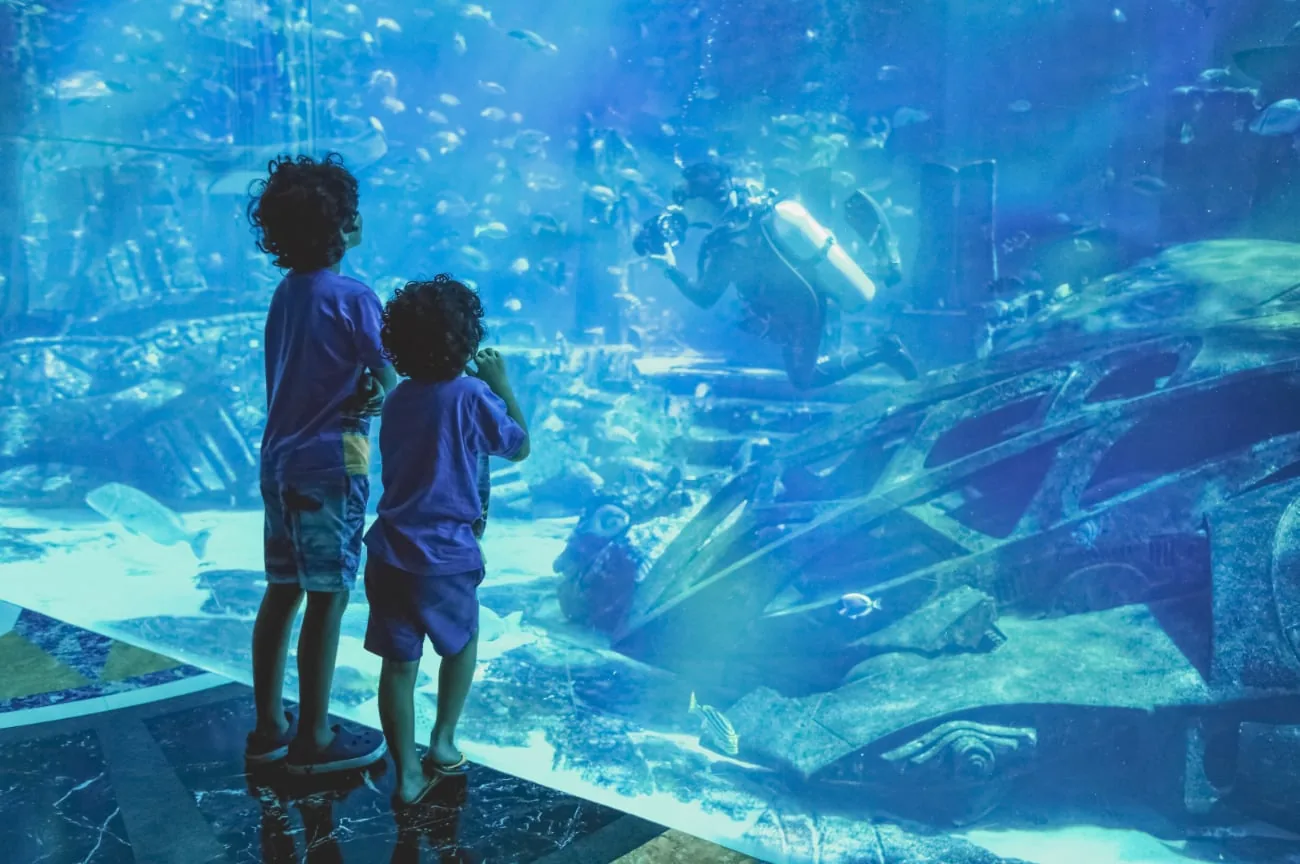
When photographing animals in a zoo where they are sometimes housed behind glass, it can be difficult to photograph well. These indoor spaces are usually only dimly lit, so it is better not to use a polarizing filter.
Clean the window
Problems with photographing through windows are not always caused by reflections. At a zoo, the glass may simply be dirty, and fingerprints, spills, and other unidentified marks can obstruct an otherwise good photograph. It can therefore be useful to keep a small pack of cleaning wipes in your camera bag. You may get some amused reactions, but your photographs will not be marred by other visitors' fingerprints.
Avoid the flash
Never use a built-in flash when photographing through glass. The bright light from the flash bounces directly off such a highly reflective surface, giving you a super bright spot of light where your subject should be visible. And even if you remove that reflection in post-processing, you will end up with an unnatural-looking subject, because a direct flash is an unnatural light source.
There are better ways to deal with low light. The first is to use a wide aperture. Bring a 50 mm prime lens if you have one, as most 50 mm prime lenses can shoot at a maximum aperture of f/1.8 or larger.
The second is to increase your ISO. Limiting yourself to low ISOs isn't really necessary with modern camera technology. Yes, there is some quality degradation at very high ISOs, but for the most part you won't notice it. It's always better to accept a little quality degradation rather than an unpleasant flash glare or camera shake.
Use the glare
Finally, ask yourself whether the glare and reflections are actually undesirable. They can produce interesting, artistic images, especially when photographing people through a window at night or when neon lights and passing cars are reflected in the glass.
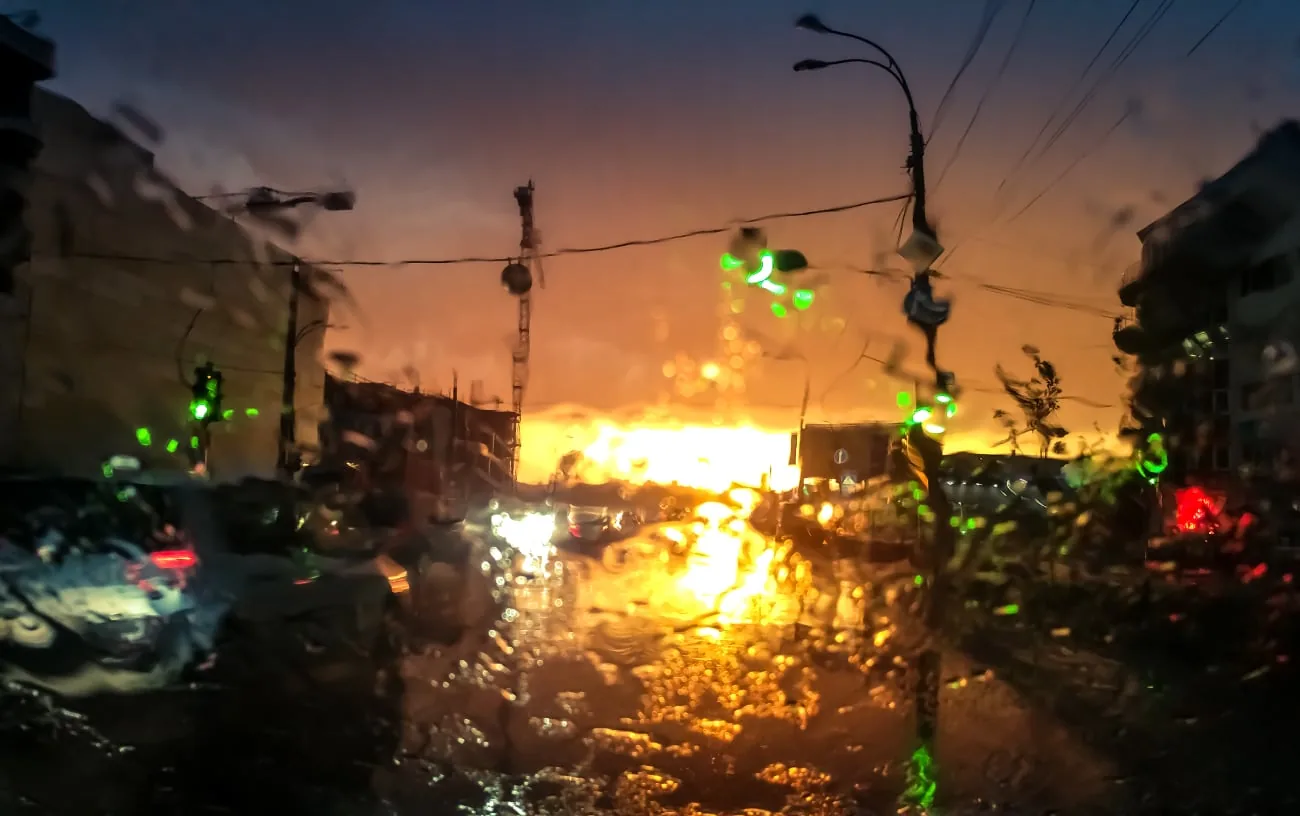
Think about making the glare part of your composition so that you don't have to reduce it at all.
Conclusion
If your subject is behind a window, pay attention to reflections. Our eyes do not notice glare and reflections in the same way a camera does, so always check the LCD screen after a test shot. A little glare or reflection is not necessarily bad; the important thing is to ensure it supports the image rather than obscuring your subject.
© In collaboration with / thanks to David Peterson - Fotografie.nl
Read this article in Dutch: 6 tips om goed door een raam heen te fotograferen.