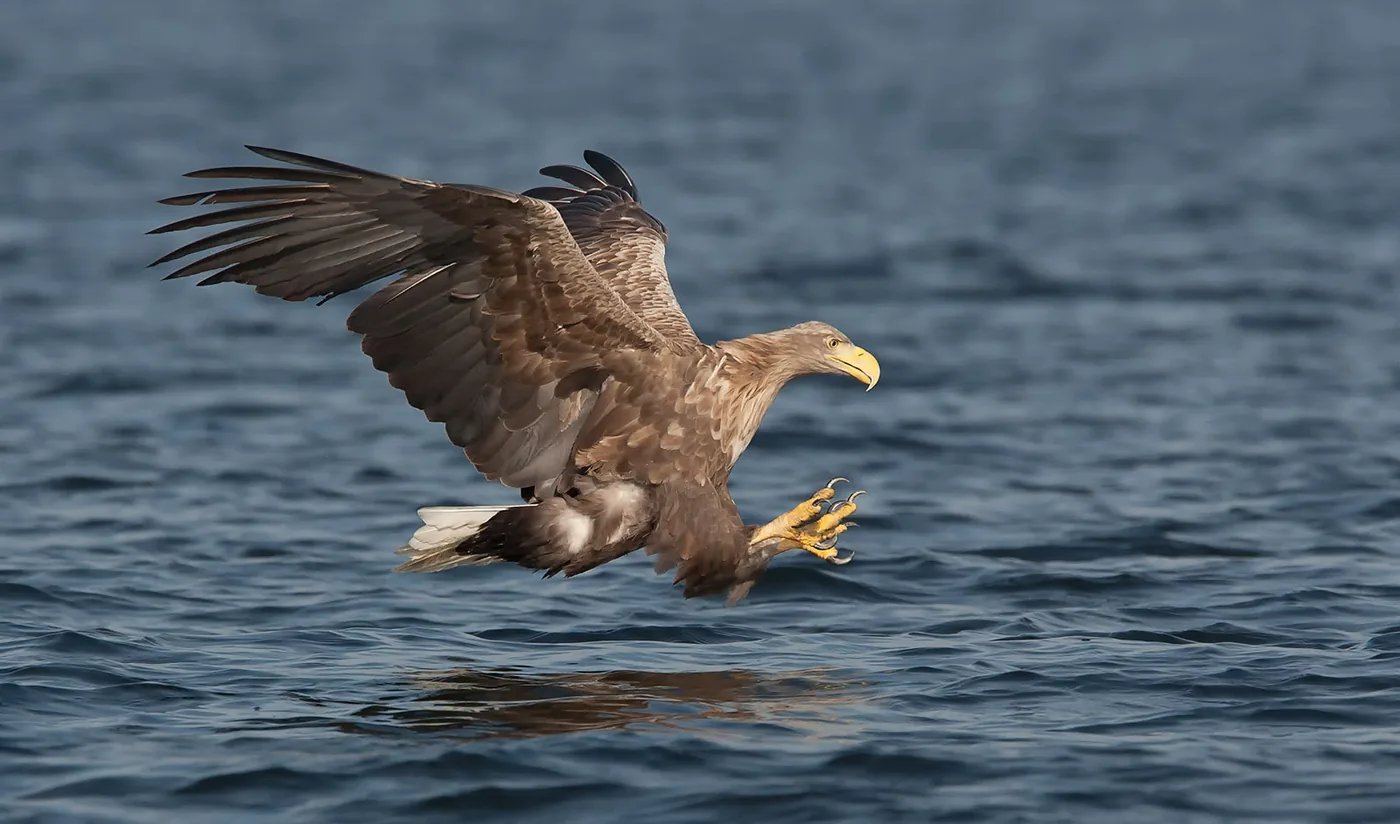
Photo: Jan Duker | White-tailed eagle, 300 mm / F2.8 with TC 2.0
Many people have tried to photograph a bird at some point, only to discover that it is not so easy. With a few good composition tips and the right background knowledge, however, you can go a long way. Composition is often discussed in photography, and we quickly think of landscapes or buildings. Yet composition is just as important when photographing highly mobile birds.
Get to know the birds
Composition and proper use of your equipment are naturally very important for a successful photograph. To make truly good images, however, you also need to know your subject well. You will want to understand why birds behave in certain ways, which species migrate and which are resident, and how to recognize their habitats, among many other things. The following tips will help you get started.
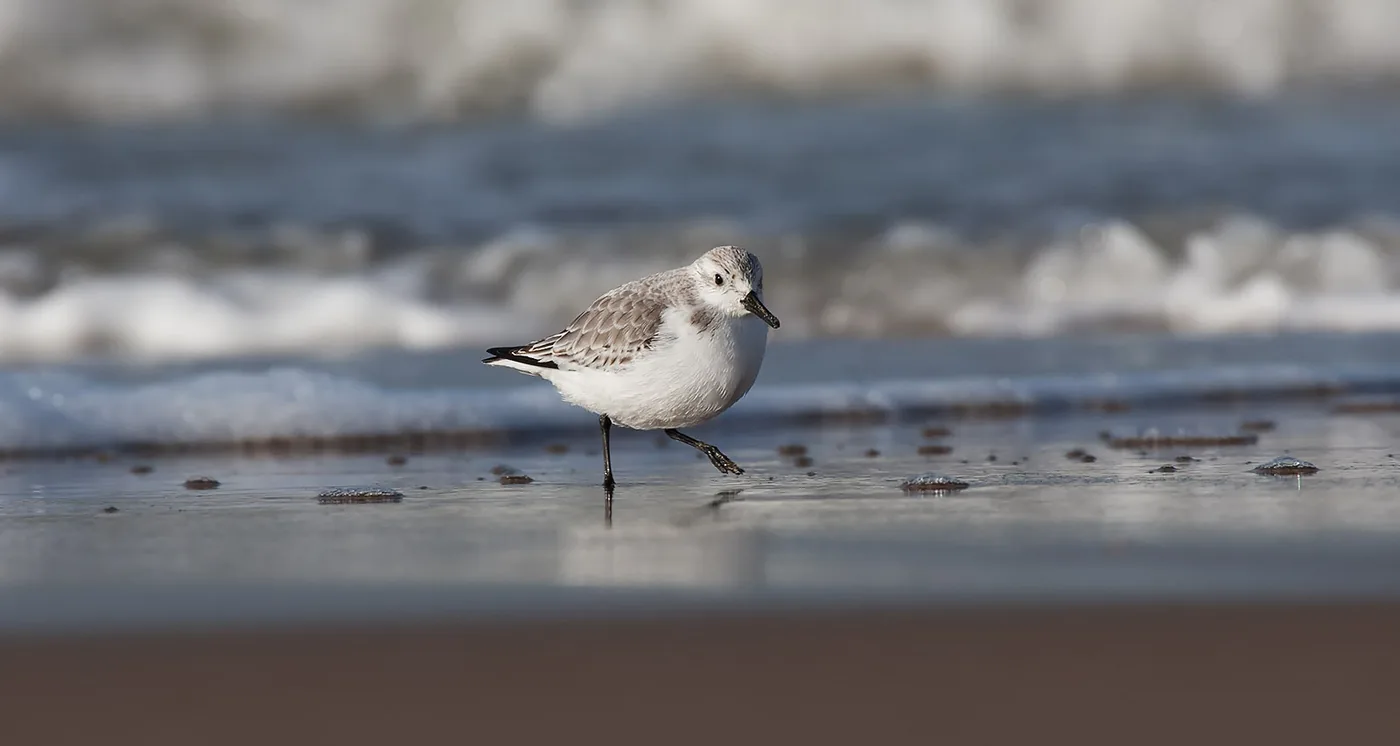
Try a different viewpoint. Lie down on the ground, for example, or set your tripod to its lowest position. You will get a completely different perspective and much more expressive images!
Bird guides
Bird guides can help you identify a bird you have seen or photographed. Read the information about the bird carefully and consult another guide as well; it may contain additional details. If you are particularly interested in certain groups, such as birds of prey or songbirds, look for books devoted specifically to those species. Plenty of information is available, including online.
Once you begin to understand this behavior, a little luck may enable you to predict what birds will do
Observation is learning
We naturally spend a great deal of time photographing birds, but take time to observe them as well. Put the camera aside occasionally, or go out without it and take only your binoculars. Study birds’ behavior closely and learn about their habits. Once you begin to understand them, a little luck may enable you to predict what birds will do and recognize which behavior is interesting to capture. You will then know the best moment to press the camera’s shutter button.
Try to bring more action into your photographs—for example, by photographing birds in flight or just as they adopt an unusual pose or enter an interesting situation. This keeps your images from becoming static and, over time, dull.
Use good binoculars
Binoculars are virtually indispensable if you want to take bird photography seriously. Good binoculars make watching far more enjoyable and render details so clearly that observing birds becomes a pleasure.
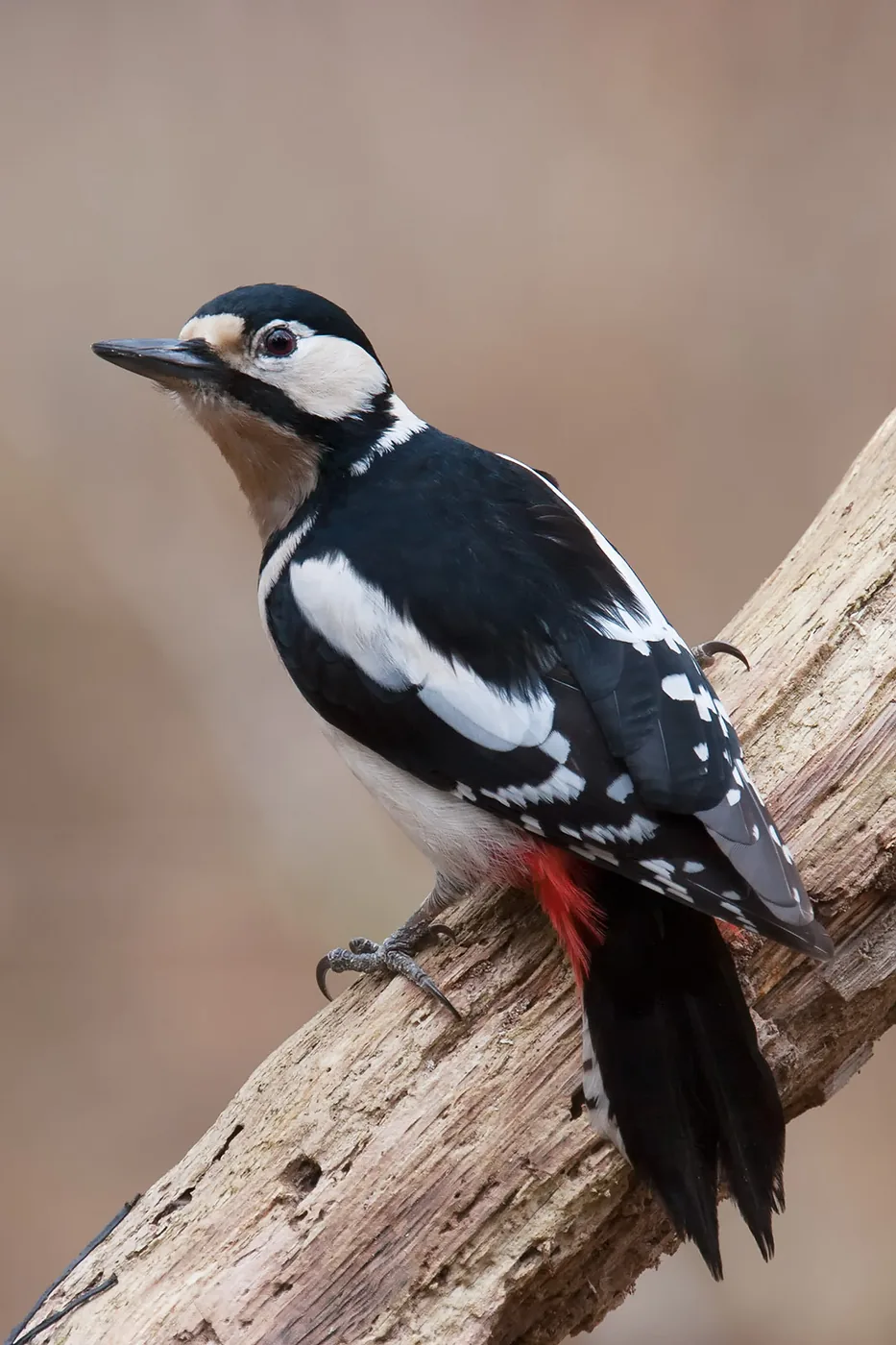
We often hold the camera horizontally. Try a vertical frame as well; in bird photography, it can produce particularly striking images.
Know the area
Knowledge of an area is invaluable. Some bird photographers prefer to roam through as many places as possible in search of different species. Visiting new locations is certainly enjoyable, but concentrating on a few places is just as important. Get to know them well and return regularly to find out which bird species occur there.
Start simply
Do not make things too difficult for yourself at first. It is rewarding to produce a few pleasing images within a short time, so begin in your own backyard, for example. There are usually plenty of birds there. Pay attention and you may be surprised by how many different species visit. These birds are often less wary, and especially in winter, when you offer a suet ball or other food, they can provide excellent photographic opportunities. If you live in an apartment, try a nearby park.
But above all…
…bird photography is a matter of practice. Go out often with your camera, look around, observe, ask questions, read, experiment, learn from your mistakes, and persevere. Good results will come in time!
Also read Bird Photography, Part 2.
See more photographs by Jan Duker.