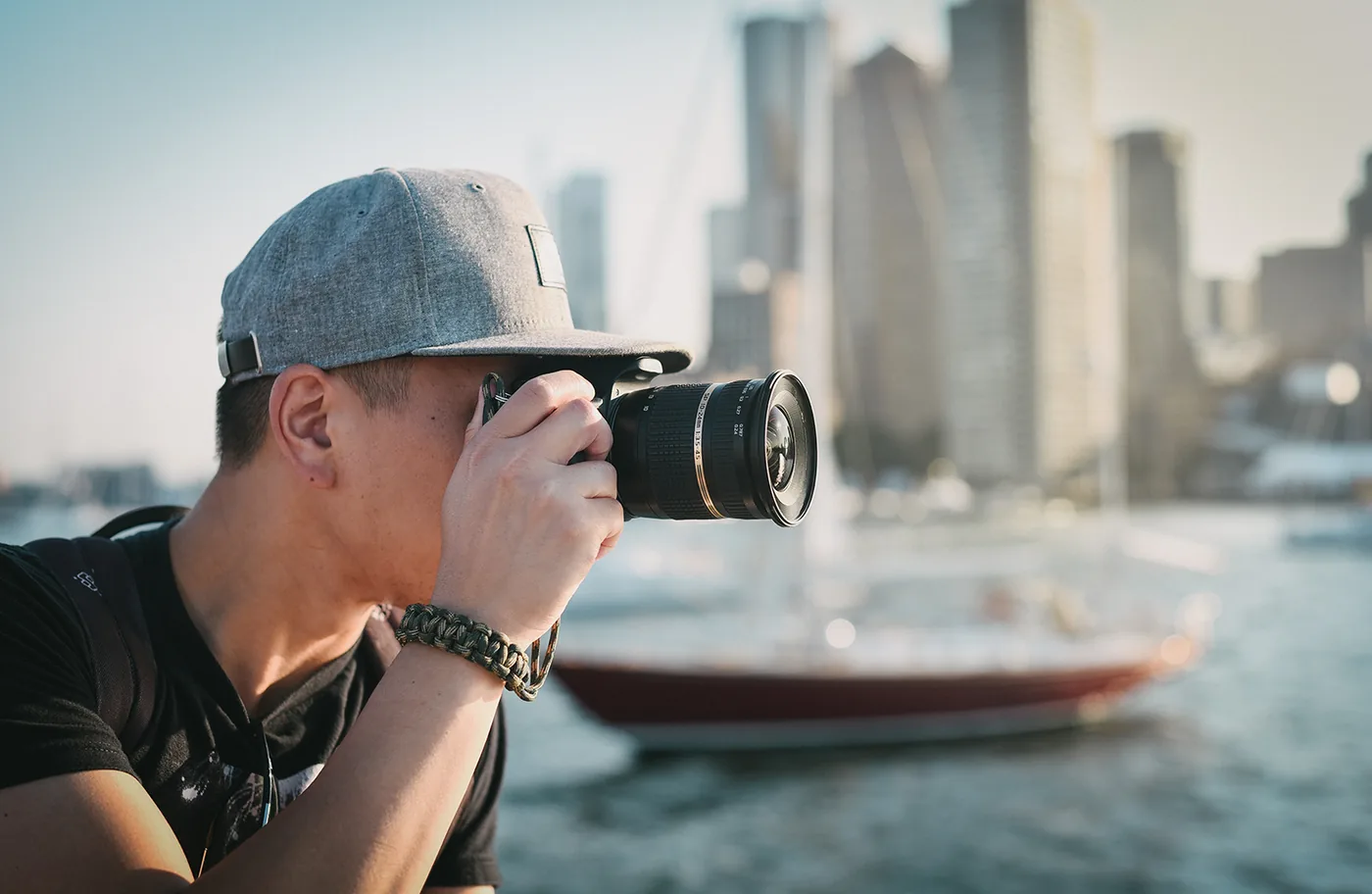
Are you planning a city break and hoping to return with beautiful photographs? This article explains the techniques involved in city photography so you can set off well prepared.
What you want to photograph in a city is, of course, a personal choice. It helps to think about this before you travel. Below are several possible subjects and points to consider.
Traffic
Cities are full of traffic. The bustle can sometimes be annoying, but it can also produce beautiful images. For example, you can play with vehicle lights. When photographing traffic, use a shutter speed of several seconds to create long trails of light in your image.
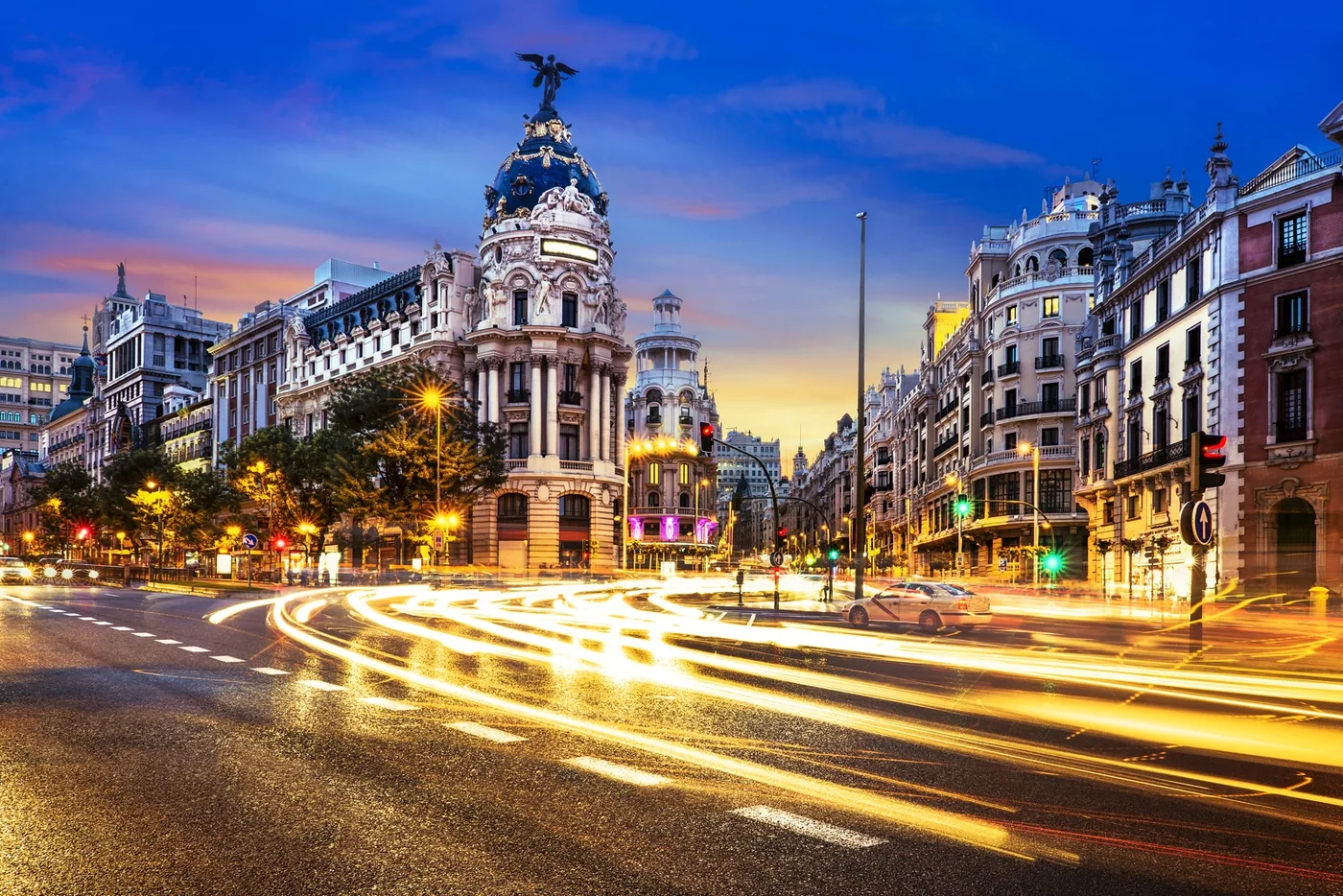
Another enjoyable technique is panning the camera with your subject. If you are photographing a moving car, choose a slow shutter speed and move the camera along with the vehicle. The vehicle will remain sharp while the background blurs, creating a compelling sense of speed.
Architecture
Urban architecture offers all kinds of beautiful shapes to explore. Will you include the entire building or just a small detail? Or would you rather photograph several buildings side by side? Do not be afraid to try something different or choose another viewpoint. A seemingly static building can suddenly surprise you and reveal new forms.
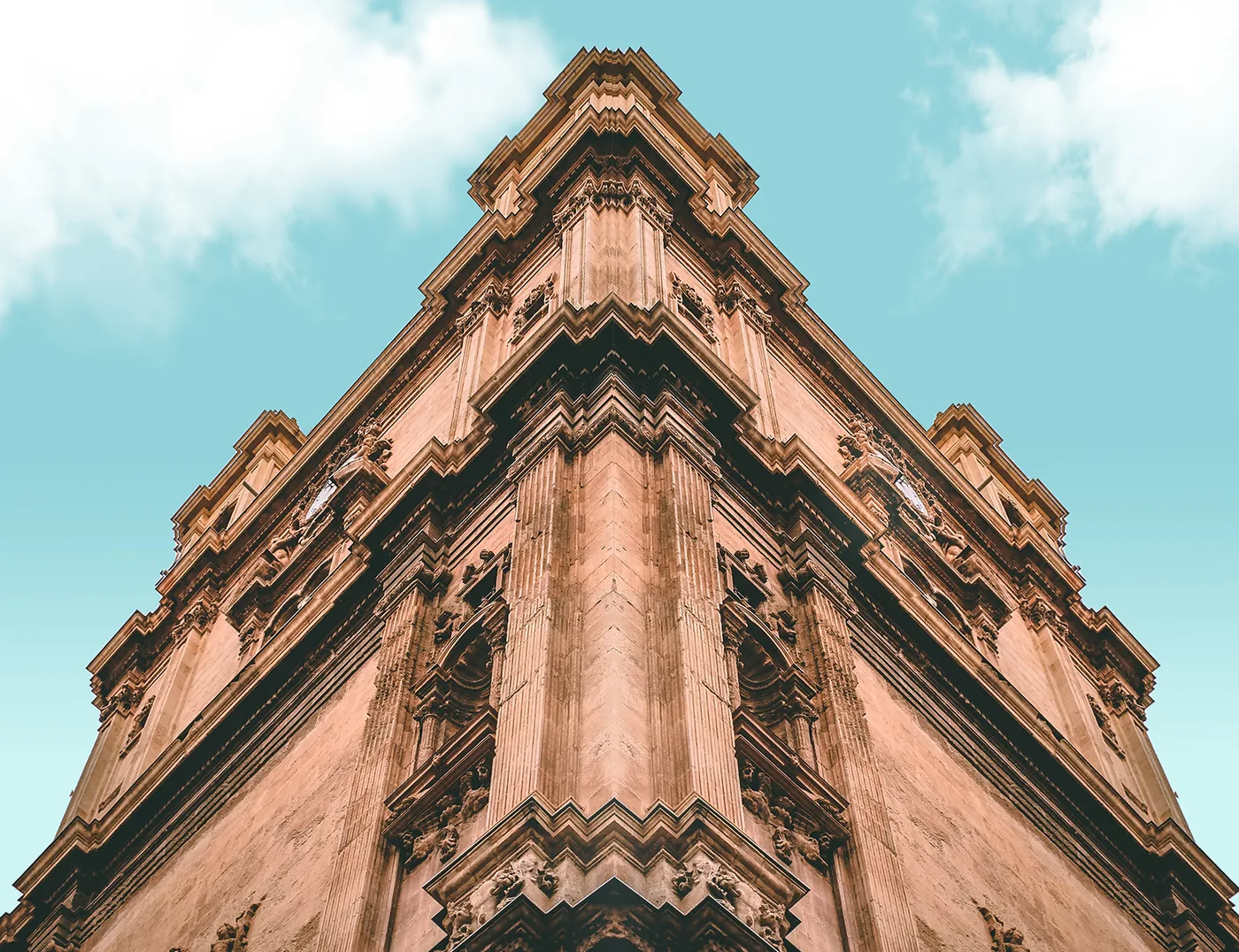
Architecture is usually photographed with a wide-angle lens, which lets you fit an entire building into the frame. For more detailed architectural photography, use a telephoto lens. Fine details become visible and interesting patterns may emerge. Use low ISO settings and small apertures.
People
People bring a city to life. Photographing residents or tourists can therefore produce beautiful images, but be mindful of their privacy.
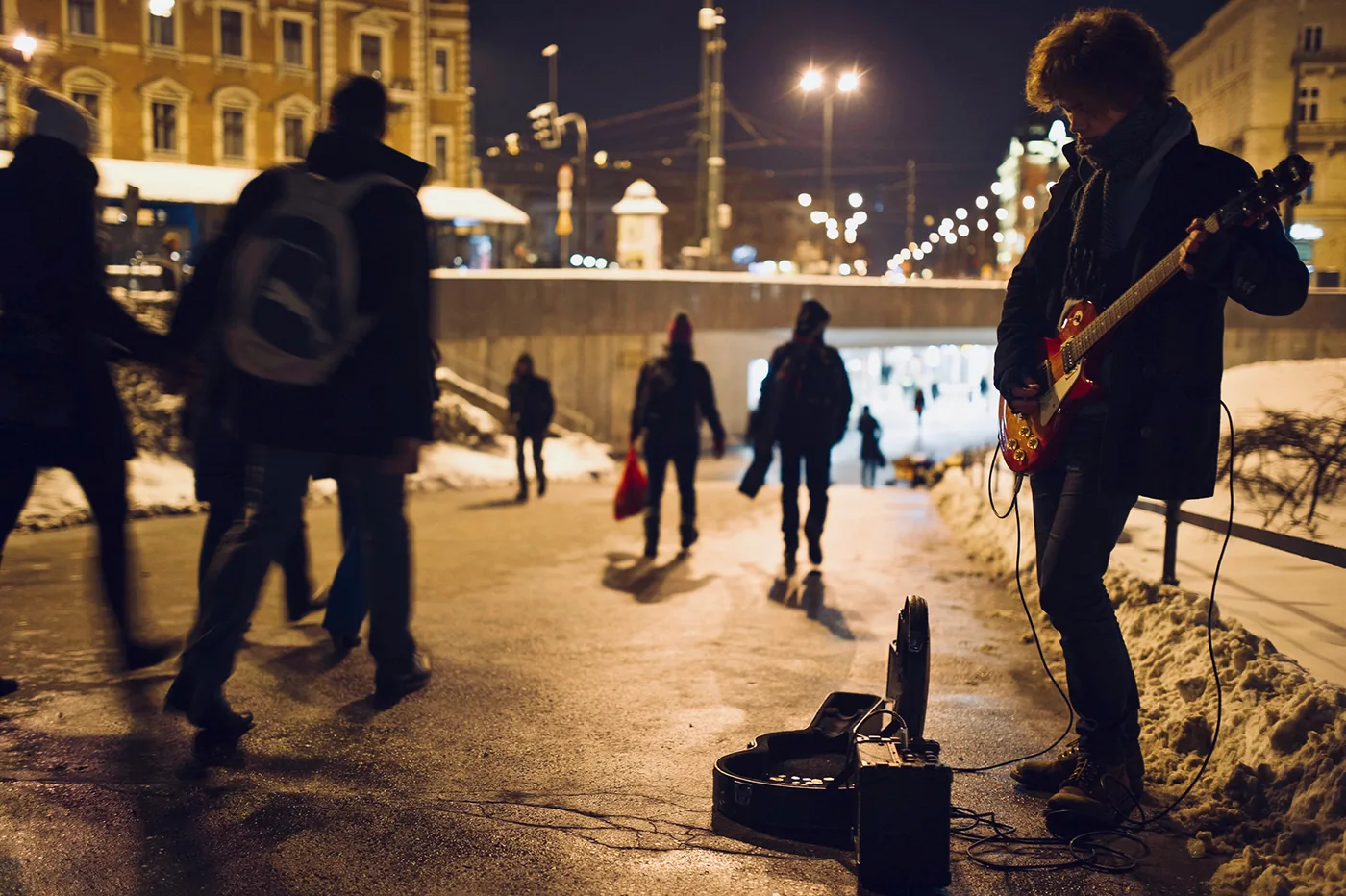
If you want people to be clearly recognizable in a photograph, especially if you plan to use it commercially, ask permission first. This is particularly sensible abroad, where local rules and customs may be less familiar. Use natural light and avoid flash so the image does not take on a harsh look.
Evening Photography
In the evening, a city is wrapped in beautiful lights and changing colors in the sky, which can create fantastic images. A tripod is useful for evening or night photography because it helps keep photographs sharp, especially when many different lights appear in the frame. Those points of light make any lack of sharpness immediately noticeable, so keeping the camera still is essential. When using a tripod, switch off your lens’s image stabilization.
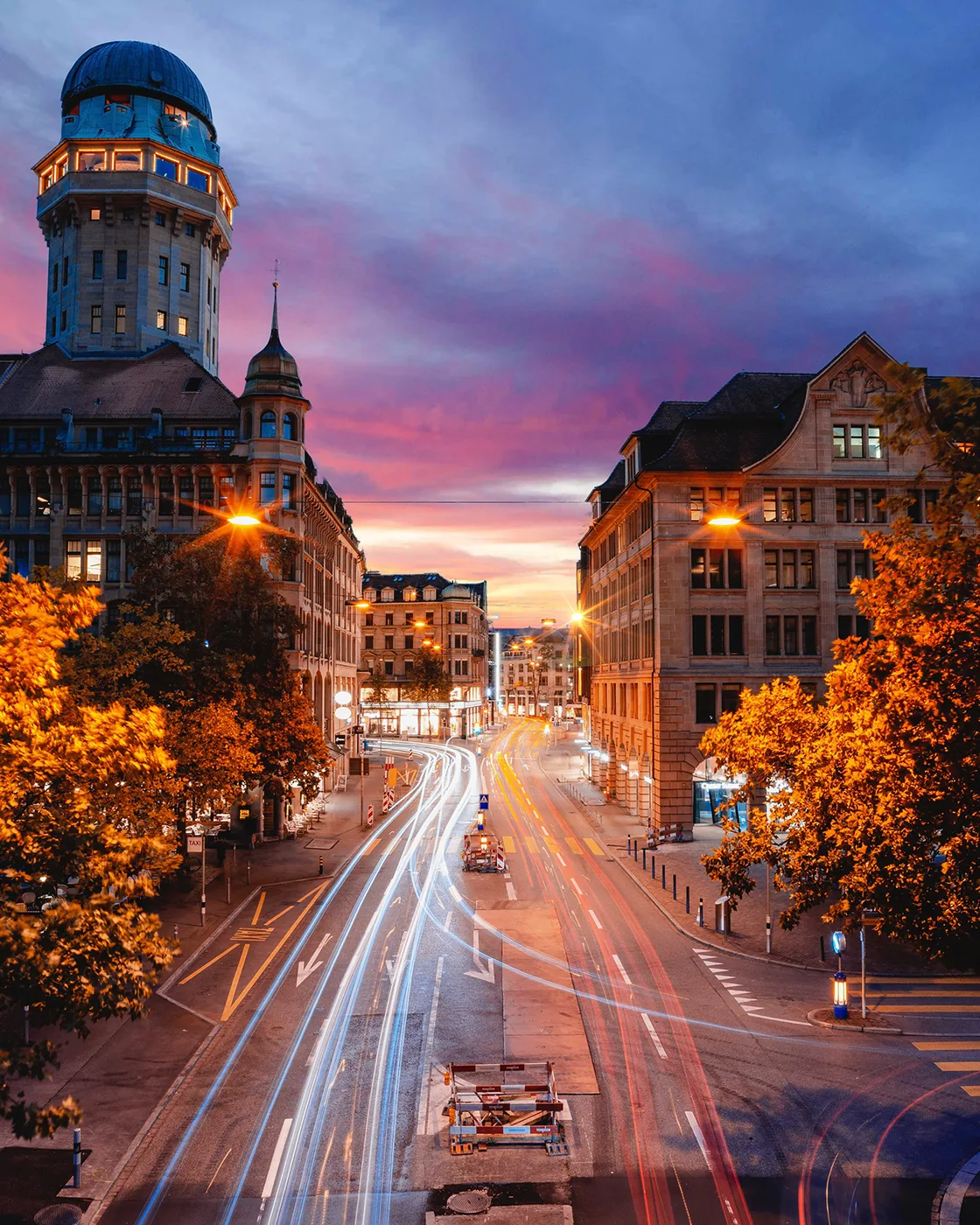
As with traffic photography, evening photography lets you experiment with shutter speed. Nighttime traffic produces attractive images at slower shutter speeds. The hour after sunset is known as the blue hour. In clear weather, photographs taken then can show a vivid blue sky without becoming too dark.
Have you made a truly striking photograph? Consider printing it on aluminum, a material that gives the image a 3D effect and helps the city’s evening lights and colors stand out.
Cityscape
A cityscape is often an iconic view of a city. Take New York, for example: everyone recognizes its skyline. If a river runs through the city, as it does in New York, photographing the opposite bank can be particularly rewarding.
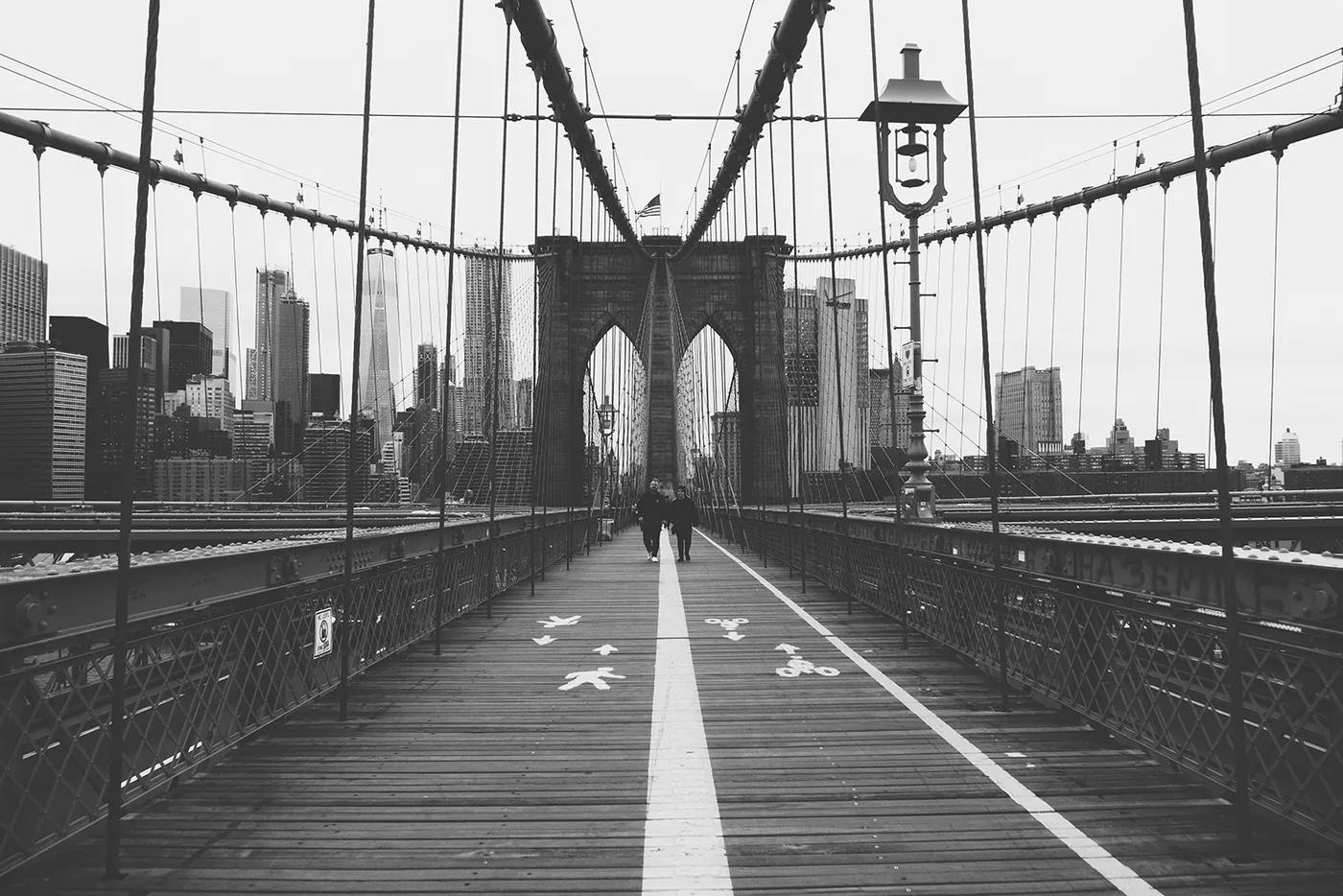
You can also seek out a high vantage point in or just outside the city. Research these locations in advance and check what view they offer. Converting cityscapes to black and white emphasizes contrasts and shapes, making features such as a skyline stand out even more.
Reflections
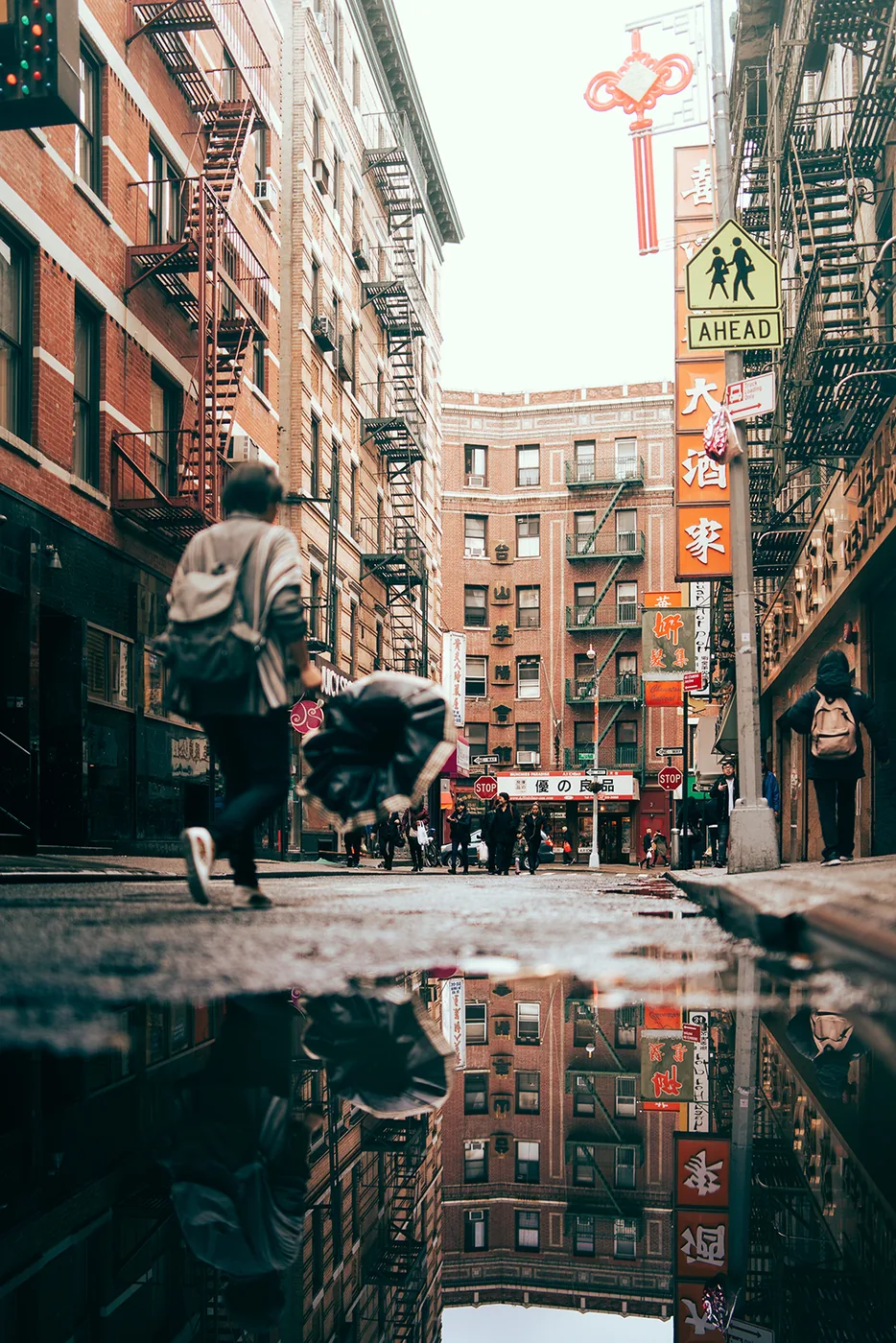
Reflections are everywhere in a city, from car mirrors and shop windows to rivers and rain puddles. They offer a playful way to capture the city, showing it in mirror image or making buildings appear to move.
You can use a polarizing filter to strengthen a reflection. Such a filter normally reduces reflections, but rotating it lets you control their intensity. Because it also affects color, shoot in RAW and adjust the colors afterward in editing software.
Focus manually. Autofocus will probably struggle to lock onto the reflection in the right place.
Local Customs
Local customs, traditions, and distinctive features of a city make wonderful subjects. Think of New York’s yellow taxis, Amsterdam’s bicycles, or London’s guards in red uniforms. Including them conveys the city’s character.
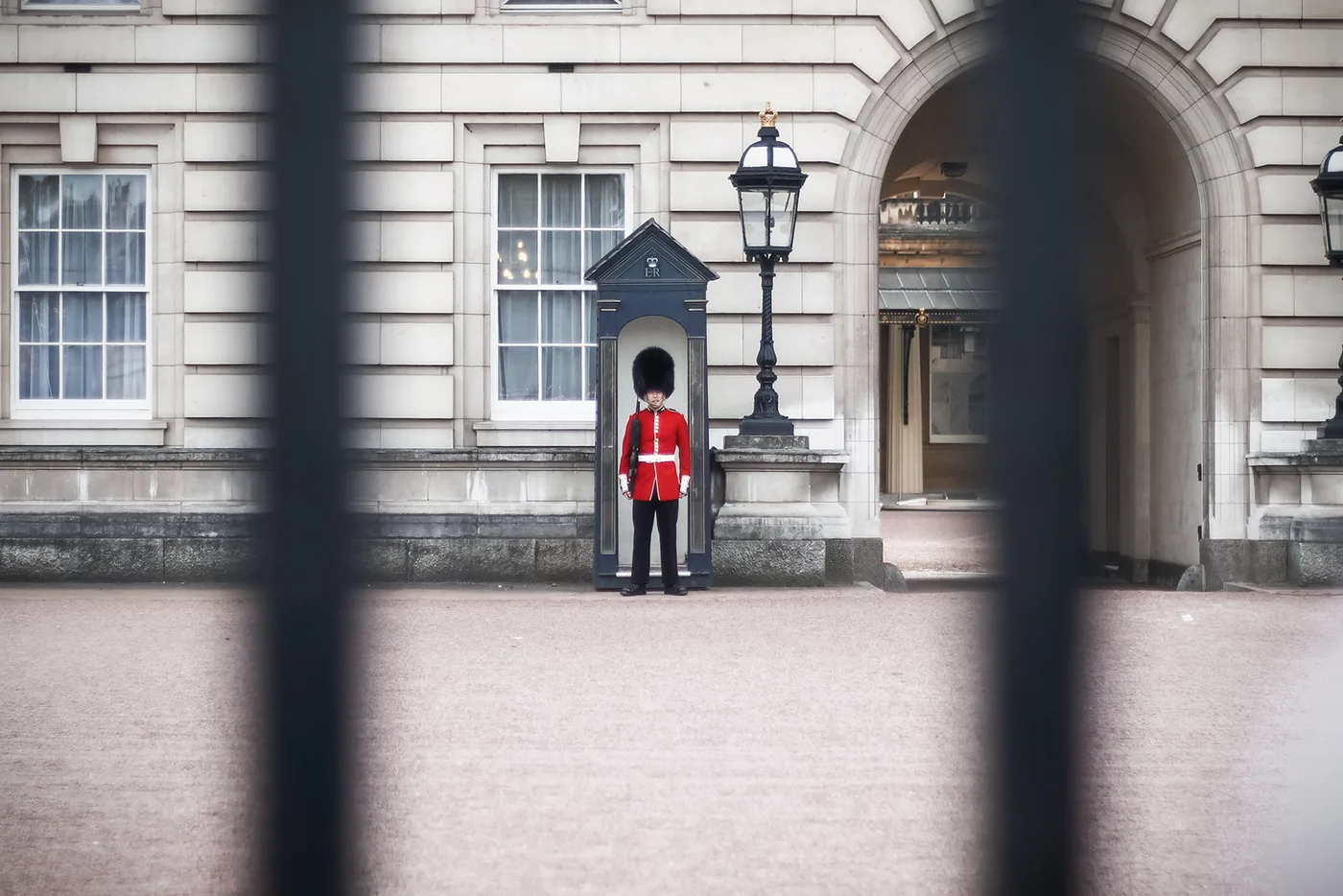
Try not to stage local customs. Photograph the moment as it happens to create the most faithful impression of everyday life in the city.