photo: © Tom van der Leij
Photographer Tom van der Leij travels all over the world, encountering all kinds of subjects along the way. In late 2011, he traveled to central India in search of the Bengal tiger.
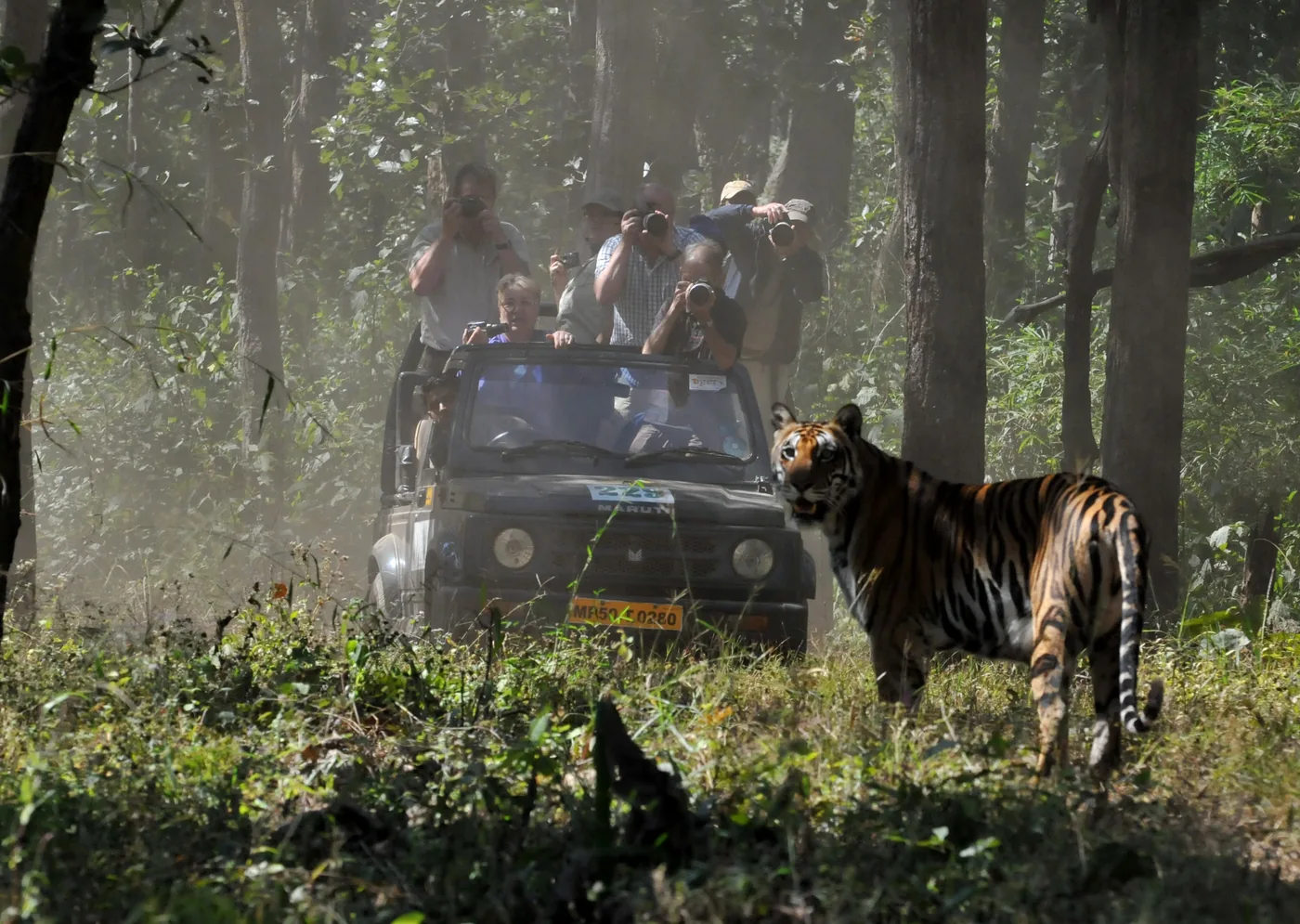
I had only seconds, but that was just enough time to capture a decent image of the tiger, the largest cat in the world. The photo includes many photographers taking a similar picture from the other side, but at least I got the shot.
Of course, I had hoped for more: a yawning close-up of an imposing male or a few playful cubs. That would have been perfect. No matter how good your guides are, success ultimately comes down to luck.
Despite the presence of other tourist jeeps, encountering the king of the jungle is very special
For days before this encounter with the king of the jungle, we had risen early every morning for game drives in three national parks in the state of Madhya Pradesh.
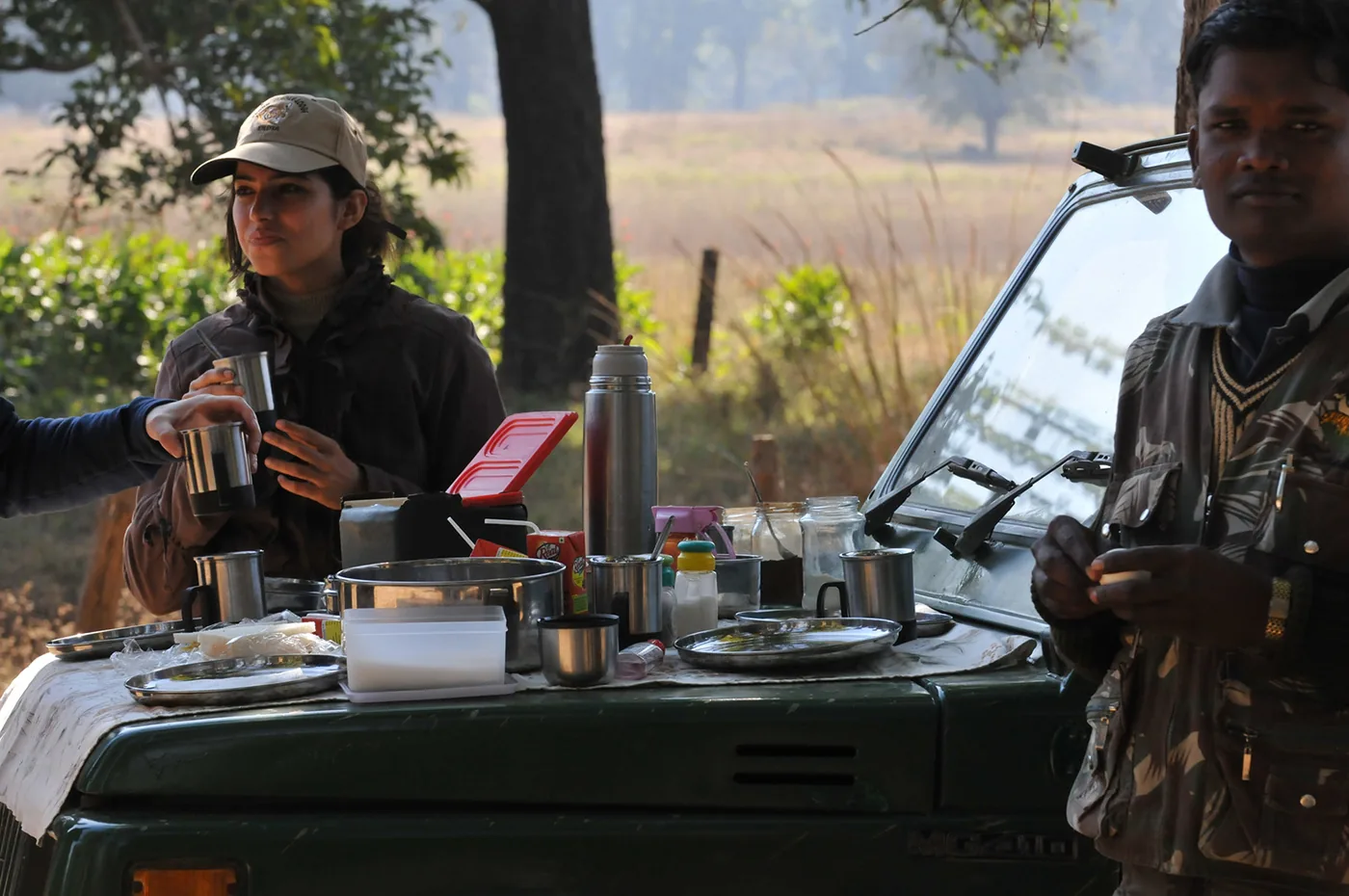
To blend in, we wear clothing that suits the surroundings and make as little noise as possible. Until the last moment, it was highly uncertain whether we would make the trip at all.
After receiving the invitation in May, I eagerly anticipated the press trip. Then the bureaucratic ordeal began. Because I needed a journalist's visa, the process was somewhat more complicated. I completed and signed countless forms and employer declarations—as a freelancer, that is not always easy because clients often work on a contingency basis—and initially heard nothing more.
Ironically, the tiger population has stabilized and is even growing in parts of the parks visited by tourists
In August, I followed up. Nobody seemed to know what was happening with the visa. More forms followed, and special square passport photos had to be submitted. Yet it remained unclear whether the trip would go ahead, let alone whether the visa would be issued. I therefore waited to book a ticket, which generally does the price no favors.
In the end, a journalist friend had to apply for the visa on my behalf. I was in Latin America and was fortunate to have obtained a second passport precisely for situations like this. The visa cost € 114. It finally arrived in late October, just two weeks before departure, and I could book my flight.
A line of tourists waits at the entrance to Kanha National Park as the gates open
It proved to be only a preview of how chaotic India can be: a vast, disorganized jumble that, remarkably, functions in its own Indian way.
Consider the traffic. Every driver sounds the horn as loudly and often as possible. If a gap opens, vehicles overtake on either the right or the left. Driving against traffic without lights is regarded as normal. Trash is tossed indiscriminately into the street.
You must anticipate the enormous potholes, between which cows lie calmly chewing their cud. Dogs and monkeys dart through traffic. Hooded crows, enormous brown rats, and gigantic cockroaches dominate at street level.
The animal is threatened with extinction by habitat loss caused by agriculture, logging, and climate change
Drivers cut in and refuse to yield even an inch to anyone approaching from behind. Remarkably, despite the rudest cutting-off, they remain stoic and do not become agitated. There seems to be a structure within the chaos—one that everyone accepts.
Fortunately, the three national parks on our itinerary are different, partly because foreign tourists and tour operators expect a certain standard. But that introduces another consideration.
The population had grown by 200 million over the preceding ten years. This was one reason the tiger population was struggling. Habitat loss threatened the animal with extinction: agriculture, logging, and climate change had left only seven percent of its habitat. Poaching placed further pressure on the population; a tiger skin fetched between $2,500 and $25,000, and tiger body parts were still used in traditional medicines.
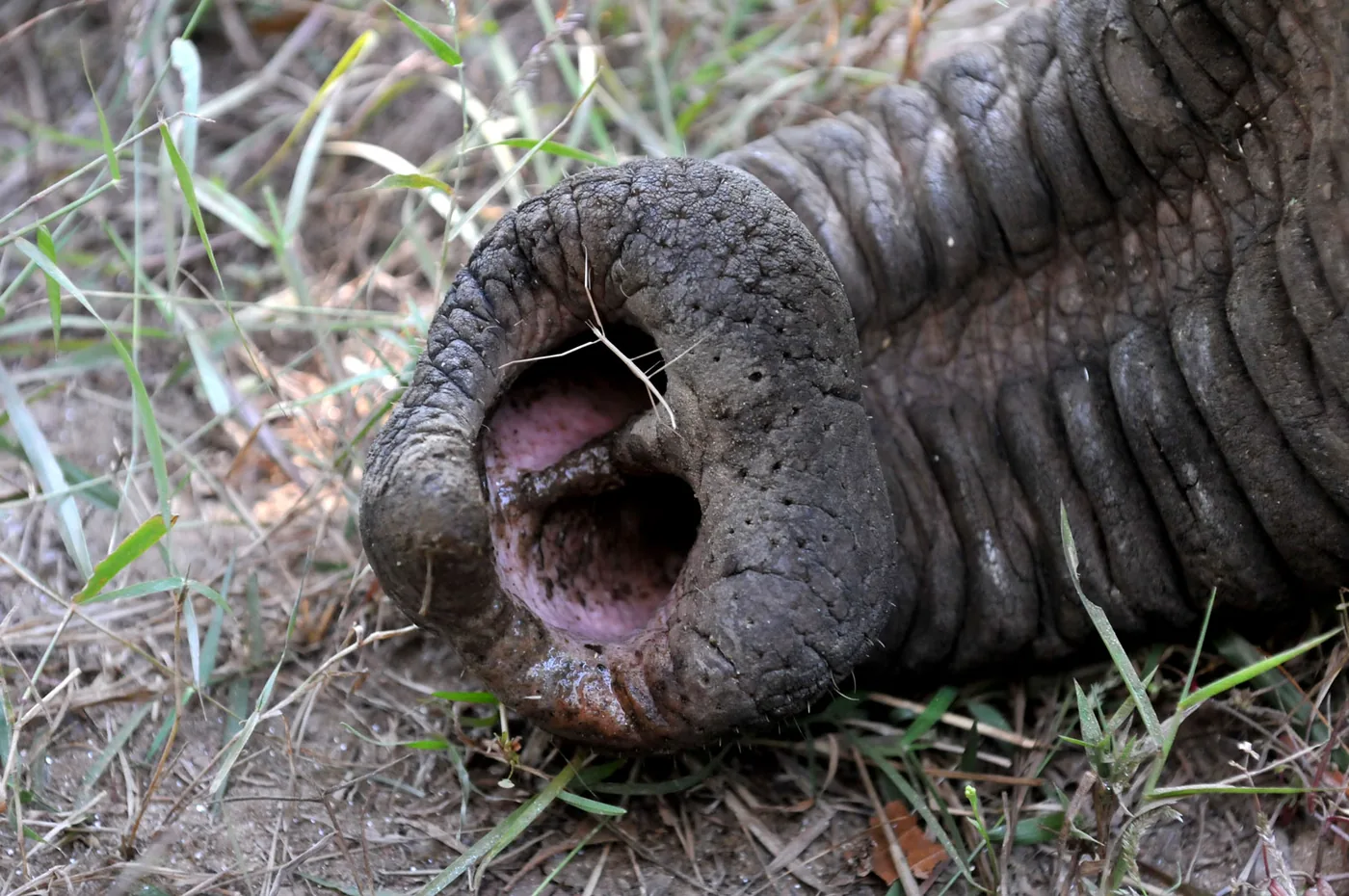
Around 1900, about 100,000 Bengal tigers roamed the earth; at the time of this trip, the number was roughly 3,000, half of them in India. This drastic decline prompted several British tour operators to establish the conservation initiative TOFT (Travel Operators for Tigers).
To blend in, we wear clothing that suits the surroundings and make as little noise as possible
At the time, 160 travel-industry members worldwide participated. TOFT aimed to promote sustainable tourism on the Indian subcontinent. It organized training programs for guides and explained to local communities how tigers could create employment. The organization also worked closely with scientists and naturalists and encouraged environmentally friendly projects.
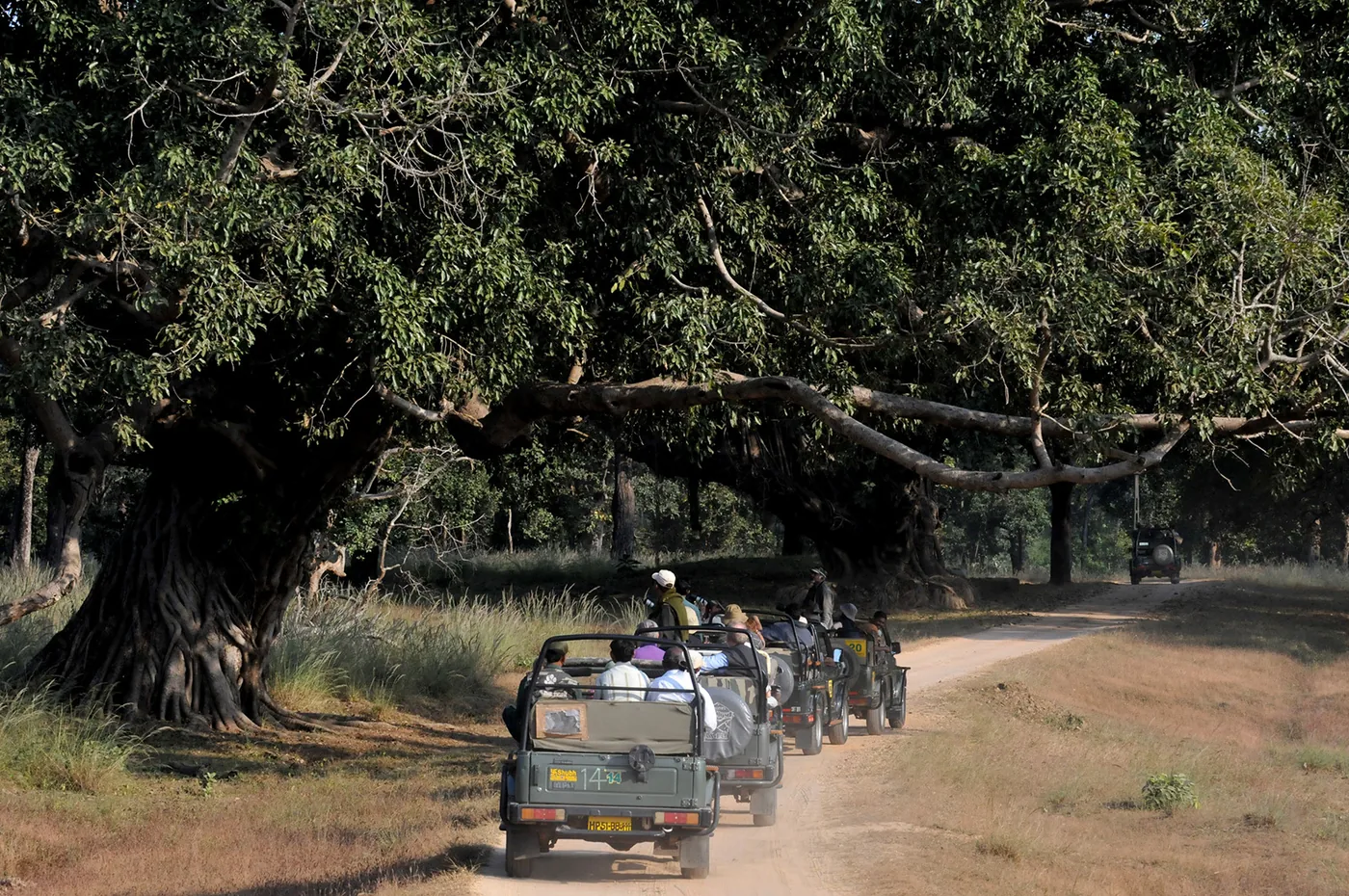
A jungle safari in Madhya Pradesh—the heart of India, where TOFT was active in all three national parks—was therefore an experience in itself. Small open jeeps carried visitors through the parks in search of Bengal tigers.
Seeing a tiger is never guaranteed. Fortunately, chance and luck still play a role; that only heightens the excitement. Actively searching for tracks is part of the fun.
When a tiger emerges from the bushes, you need to be ready and have your exposure set correctly
Fresh paw prints reveal the animal's sex and direction of travel. Scratch marks on a tree trunk suggest that the dominant male may be nearby. Alarm calls from startled prey reveal the tiger's presence.
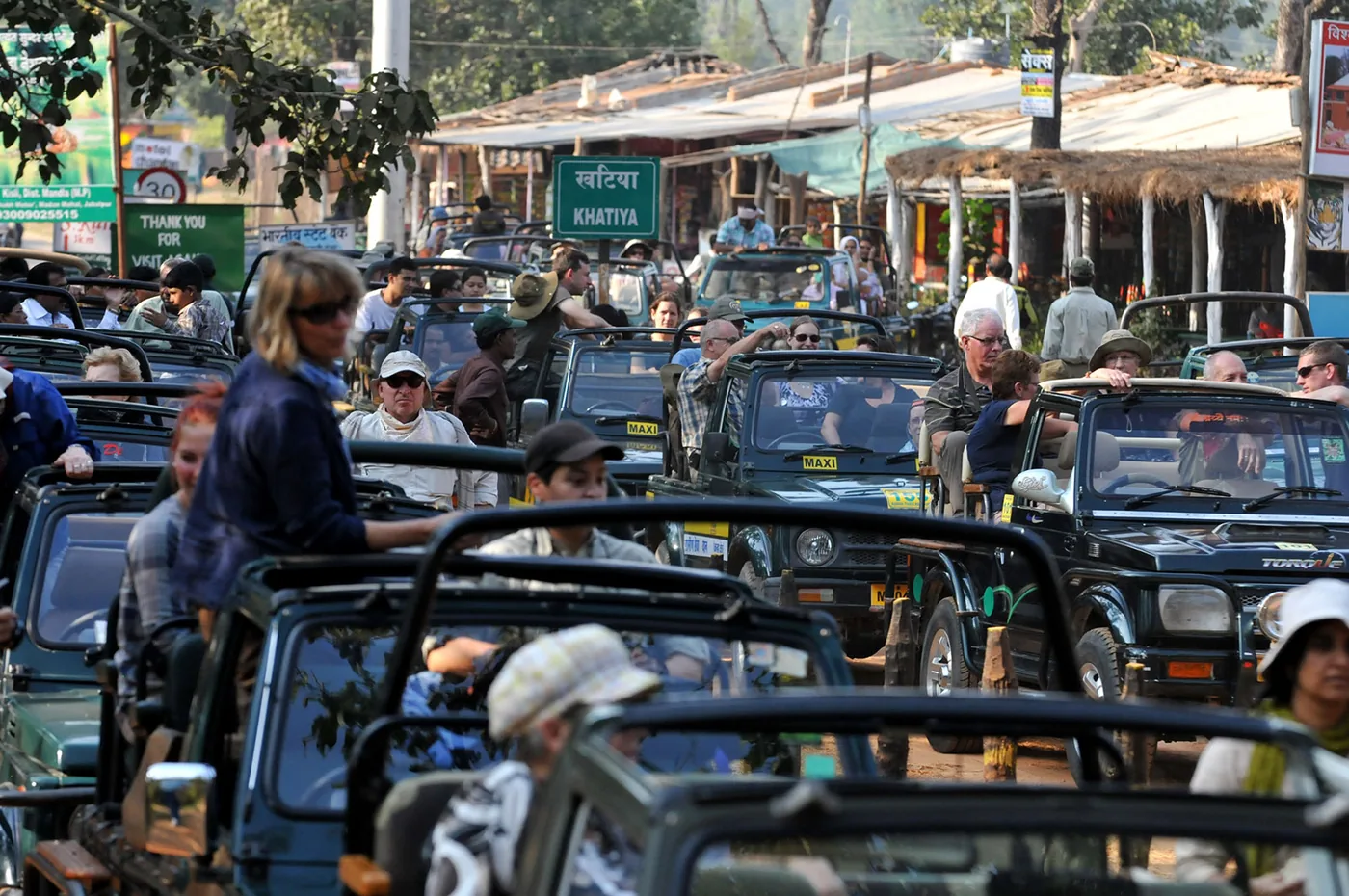
At times, however, it feels a little like Beekse Bergen, especially when you see dozens, if not hundreds, of jeeps waiting at the gate. When it opens, they race away along the countless dirt tracks through the park. Mahouts on elephants search the forest and report tiger sightings by walkie-talkie.
As a tourist riding an elephant, you can then approach a tiger at very close range. We are on a tiger safari, and everything seems to make way for that goal.
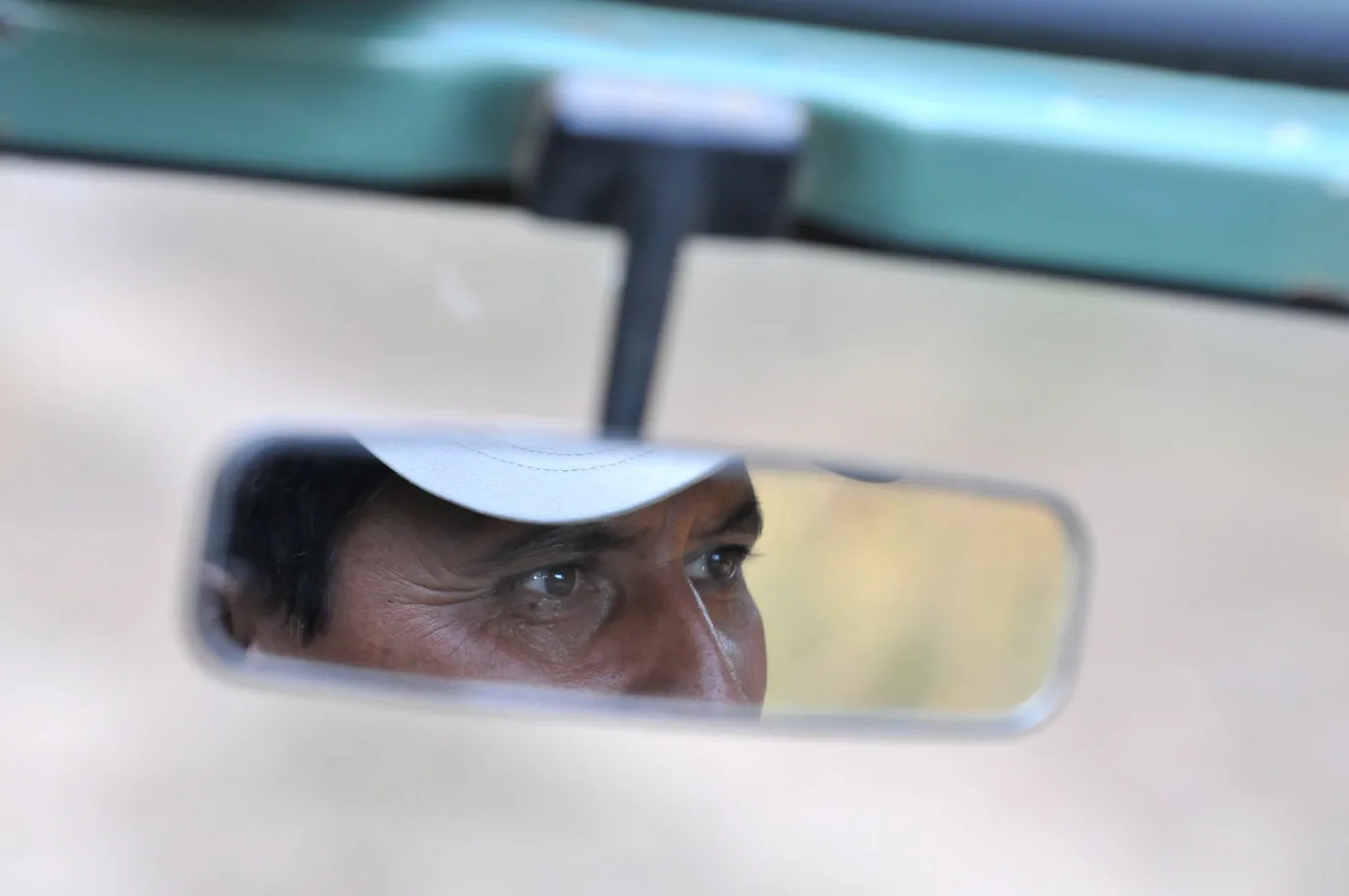
Ironically, the tiger population had stabilized and was even growing in parts of the parks visited by tourists. Guides, drivers, and tourists served as the eyes of the park and helped deter poaching. Nearby residents were also gradually recognizing that tiger tourism created jobs.
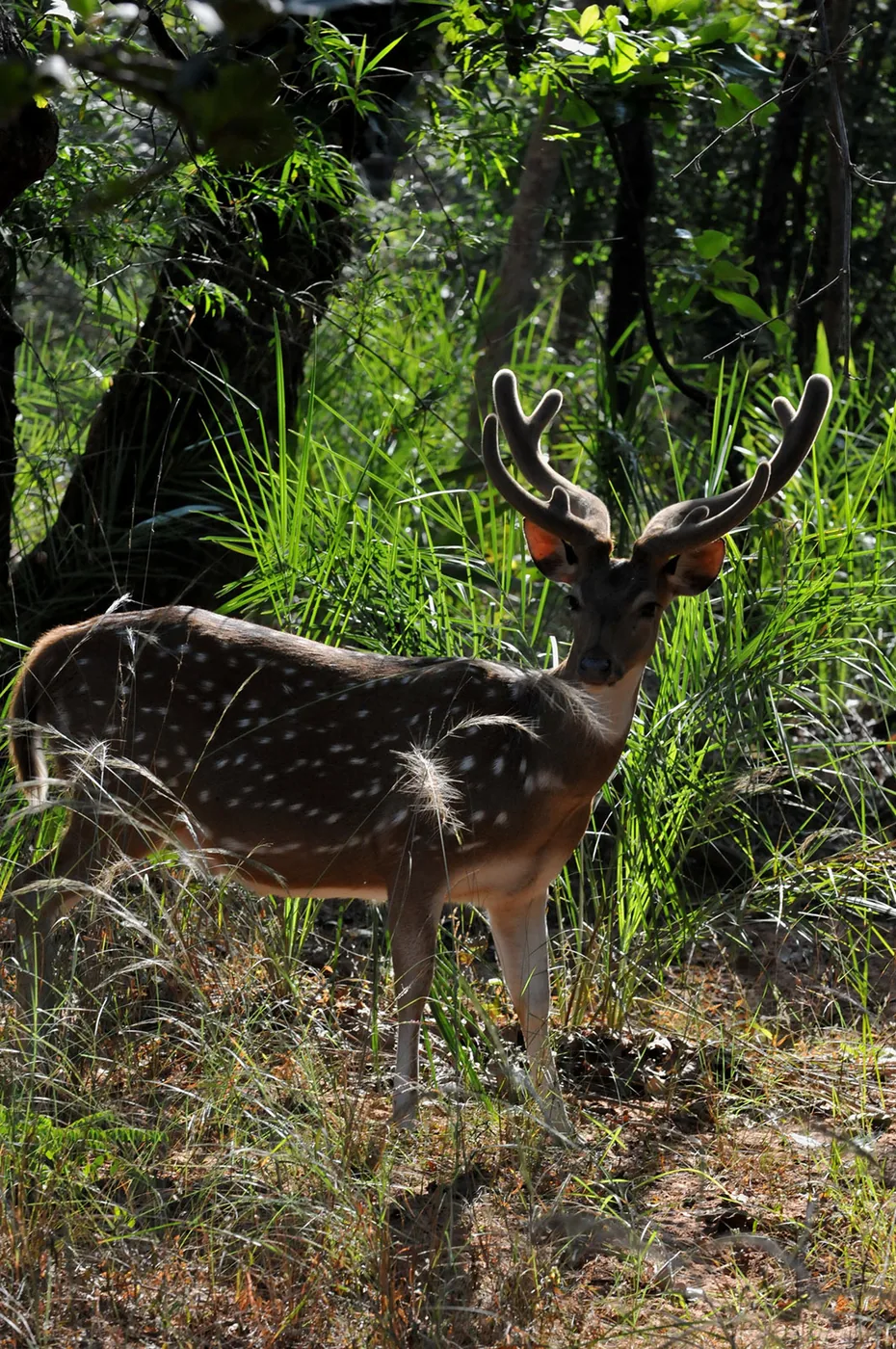
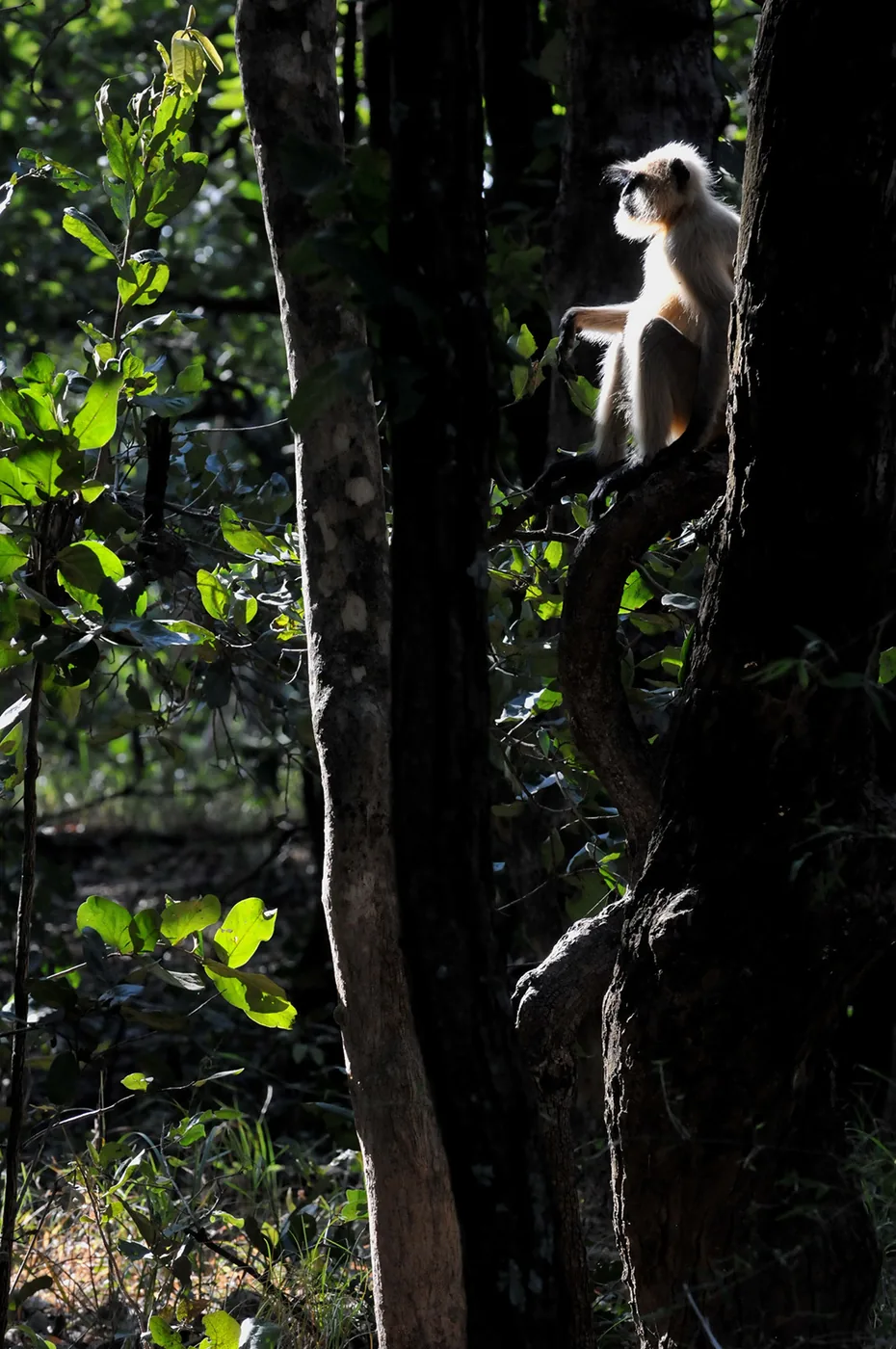
Many people, myself included, focus on spotting tigers. Once you start driving around, however, you notice other animals and features. Pench, and especially Bandhavgarh and Kanha, are home to plenty of other wildlife, from axis deer and langurs to sloth bears and leopards. The landscapes also vary between areas of each park, which benefits landscape photography. Kanha National Park inspired author Rudyard Kipling to write The Jungle Book.
In the open jeep, my camera is covered by a thick layer of dust in no time. To be safe, I keep it on my lap. If a tiger emerges from the bushes, I need to be ready and have my exposure set correctly. I also keep my wide-angle lens ready in case the animal comes very close.
After six days of game drives, the result was fifteen seconds of tiger viewing. Was it worth it? Definitely. Should you do it? In my view, the tiger would benefit most from a complete halt to tourism. But poaching would then increase, and mining companies might move ahead with plans to exploit the entire area.
If tourism can be sustainable and, above all, organized in cooperation with all parties, it is highly recommended and may even offer a glimmer of hope for the future of the tiger. For visitors, the excitement—combined with the landscapes and other animals—is what makes it a true safari.
TOFT for Tigers promoted sustainable tourism to India to help protect the habitat of the country’s remaining tigers. At the time of publication, participating Dutch travel organizations included VNC Asia Travel, Sawadee Puur Reizen, Sundowner Wildlife Holidays, and All for Nature Travel. Readers were advised to look for the TOFT logo when booking a trip to India.
Information
- Best time to travel: February–June.
- What to bring: clothing that blends into natural surroundings, a cap, fleece jacket, binoculars, and a telephoto lens.
- Where the author stayed in Pench: Pench Jungle Camp. Stay in a luxury safari tent at the edge of the nature reserve; freedom@penchjunglecamp.com. Environmentally friendly.
- Where the author stayed in Kanha: Kanha Jungle Lodge. Stay with the grandson of the founder of the tiger conservation project in luxury chalets bordering the park; www.kanhajunglelodge.com. Environmentally friendly.
- Recommended reading: Birds of the Indian Subcontinent by Richard Grimett, Carol Inskipp, and Tim Inskipp, published by Oxford University Press, ISBN: 978-0198077220.
- Visa: At the time of publication, travelers were advised to apply for a visa well in advance.
- Useful websites: www.kanhanationalpark.com, www.projecttiger.nic.in, www.bandhavgarhnationalpark.com, www.nationalparkindia.com, www.indiatourismamsterdam.com.
To learn more about this author and photographer, visit Tom van der Leij's page.