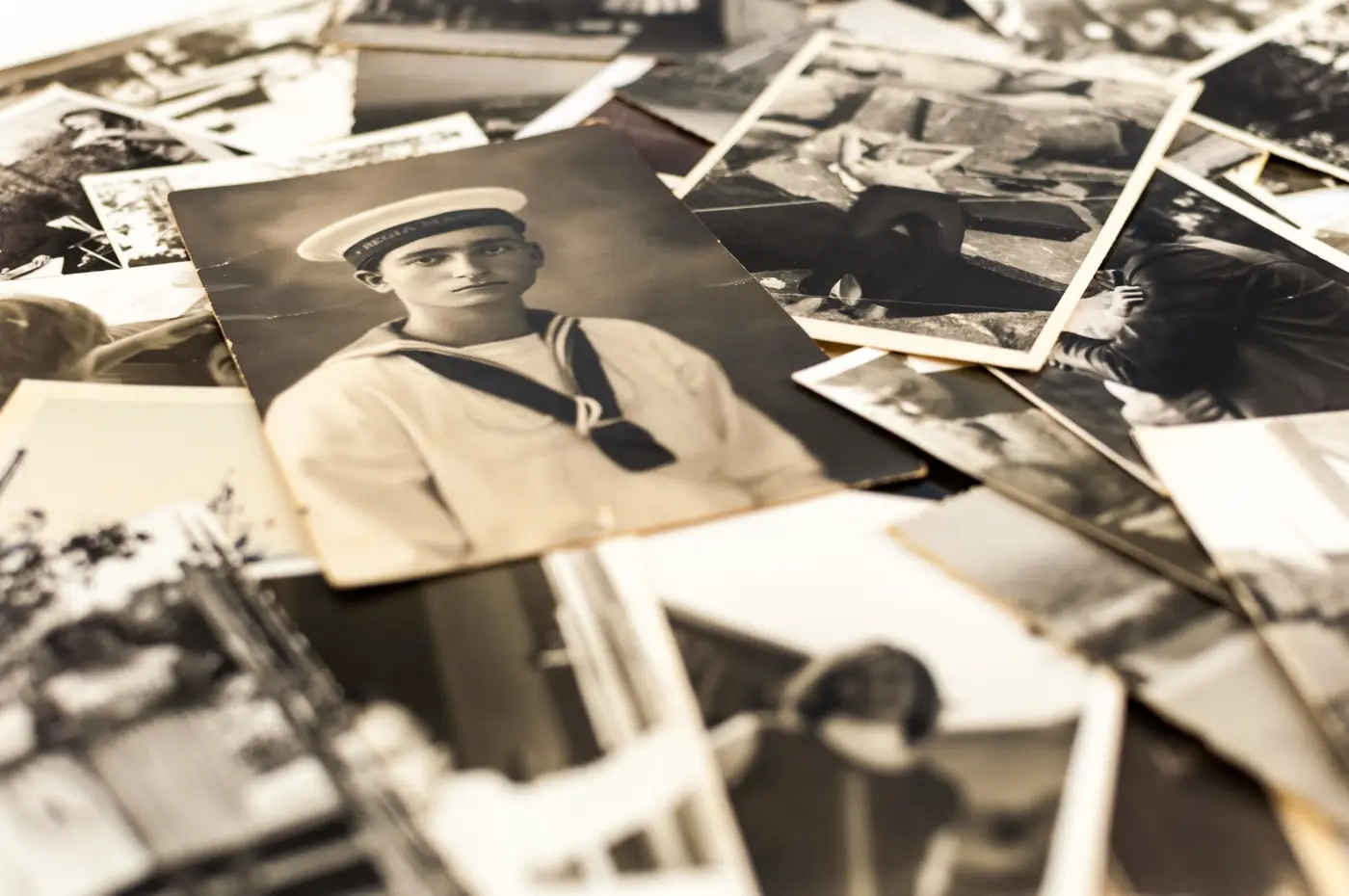
A shoebox in the attic. An envelope full of negatives in a drawer. Or an old photo album whose transparent pages now seem to be stuck to the photographs. Many photographic archives have spent decades in less-than-ideal conditions.
That does not necessarily spell disaster. But anyone who wants to preserve old photographs and negatives for decades to come can prevent many problems with a few simple measures.
Why an ordinary box is not always good enough
Photographs are more fragile than they look. Paper, glue, certain plastics, moisture, heat and light can eventually cause discolouration or other damage.
For long-term storage, it is therefore common to use acid-free, photo-safe archival materials . Bear in mind that the word “acid-free” on the packaging does not tell you everything.
For serious archiving, look for materials that have passed the Photographic Activity Test (PAT) . Defined in ISO 18916:2025, this test determines whether storage materials can cause chemical reactions with photographic material.
An ordinary family archive does not need a museum-grade storage facility. A good archival box and suitable sleeves will take you a long way.
Storing photographs in an archival box
Loose prints are best kept clean, dry and protected from light. Valuable photographs should ideally be placed in individual sleeves or folders before being stored together in a sturdy archival box.
When buying storage materials, look for terms such as acid-free, age-resistant and—for more serious archival work—PAT or relevant ISO standards.
Suitable boxes are readily available online. For example, you can find acid-free archival boxes in A4, A3 and A2 sizes. According to their specifications, some available boxes comply with DIN ISO 9706 and DIN ISO 16245-A.
What should you do with negatives?
If you still have negatives, do not throw them away after scanning the photographs. A good scan is useful, but the original negative may contain more information than was captured during the first scan.
Negatives are best stored in purpose-made negative storage sheets or sleeves. Suitable plastic archival sleeves are made from materials including polyester, polyethylene and polypropylene. PVC is best avoided for long-term photographic storage.
Special negative storage sheets are available for keeping individual strips of film separate. Hama, for example, makes sheets for safely storing film negatives.
A photo album is fine too
Not every photograph needs to disappear into an archival box. A photo album offers one advantage that no filing system can match: you can take it out and enjoy looking through it.
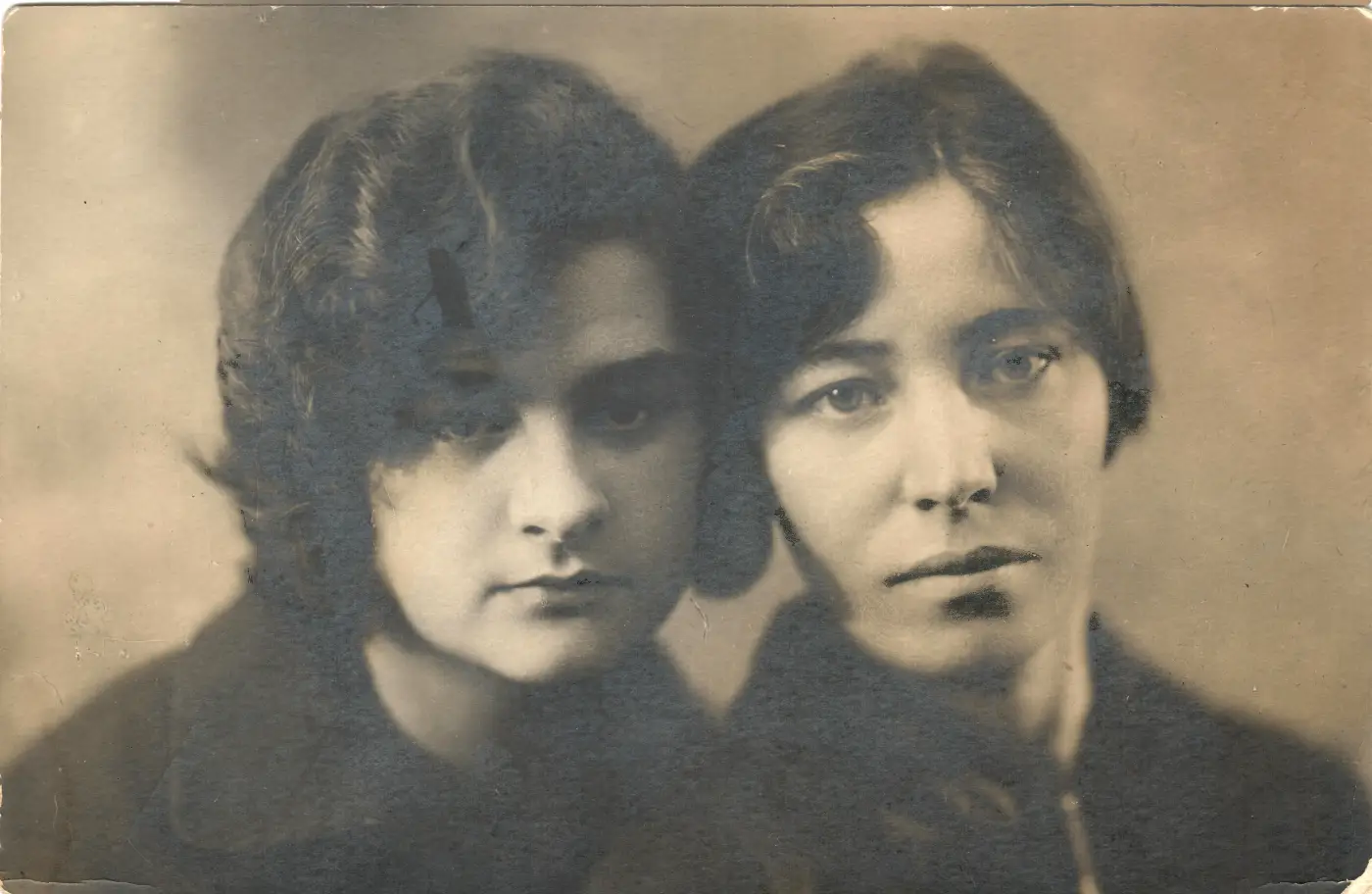
The materials used are important here too. Ideally, choose an album made from acid-free, photo-safe materials , and never apply glue or adhesive tape directly to valuable original photographs. Photo corners are a simple solution when attaching photographs to paper album pages. Albums with suitable plastic slip-in sleeves can also be a practical choice.
Avoid the attic if you have a better option
Even the best archival box cannot solve every problem. A hot attic or damp basement is not an ideal place for a photographic archive. A relatively cool, dry and—above all—stable environment is better. For photographic materials, the Library of Congress recommends a relative humidity of roughly 30 to 50 per cent and a maximum temperature of about 21 degrees Celsius as useful starting points.
For a family archive, a cupboard in a normally heated living space is therefore usually a much better choice than somewhere directly beneath the roof.
And take the opportunity to see what is actually hidden in those old boxes. Preserving photographs properly is worthwhile, but rediscovering pictures you had forgotten about is much more enjoyable.