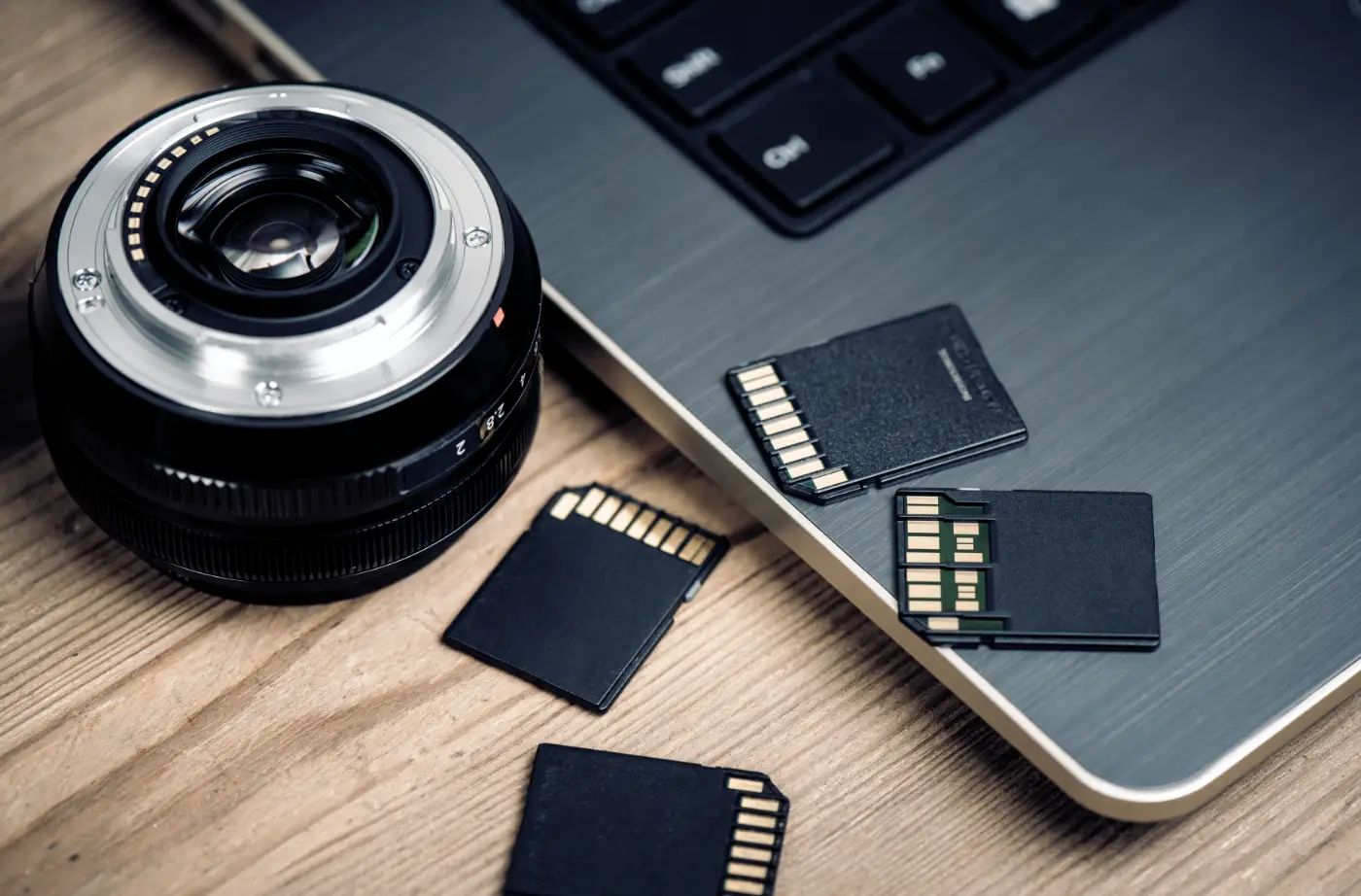
Part 1 of this landscape photography series focused on light and composition. This installment is devoted to technique and equipment. What gear do you need, and how do you use it?
Camera
In principle, you can use any camera available for landscape photography. You could start with a 'simple' compact camera. These cameras are generally convenient and easy to carry.
A Shot with a Telephoto Lens
At the time of publication, many compact cameras offered excellent image quality and plenty of features. As your ambitions grow, you may consider buying an SLR camera. The advantage is the flexibility to use different lenses.
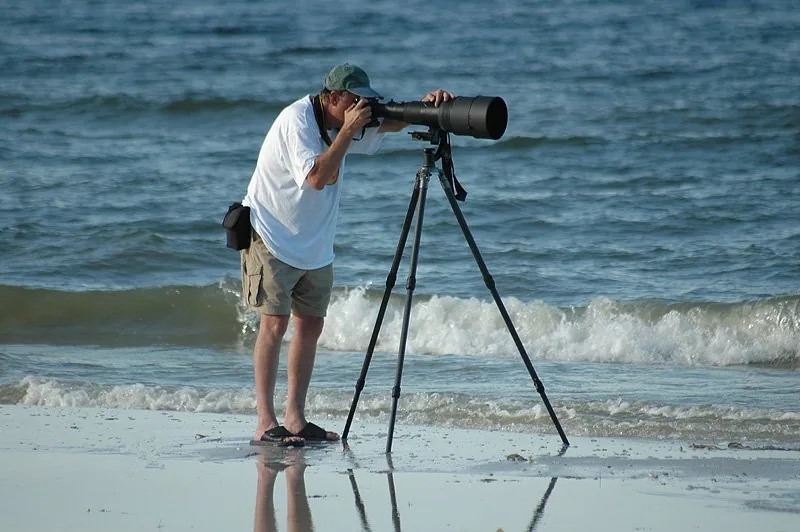
SLR cameras also often offer specific features that compact cameras lack. These include a Bulb mode for extremely long exposures and the option to lock the mirror up beforehand to prevent vibrations.
Lenses
In landscape photography you can use virtually any lens. A lens's maximum aperture is less important for landscape photography than it is for sports or bird photography, for example. Landscape photographers often use a small aperture, such as F16, to achieve a large depth of field.
This makes longer shutter speeds necessary, turning a tripod into an important tool.
Lenses can broadly be divided into three categories:
Wide-Angle Lenses A lens is considered wide-angle when its focal length is between 17 mm and 35 mm. This type of lens is often used to photograph expansive landscapes.
Standard Lenses A standard lens has a focal length of around 50 mm. It renders a scene in a way that roughly resembles human vision.
Telephoto Lenses Lenses with a focal length longer than 70 mm are called telephoto lenses. They are often used to photograph details in the landscape.
But which lens should you choose when starting out in landscape photography? That depends greatly on your personal style. As you take more photographs, you will naturally discover what you need, but a 'standard' zoom lens with a range such as 24 mm–105 mm is a good place to start. Quality comes at a price, however; good lenses are expensive.
Tripod
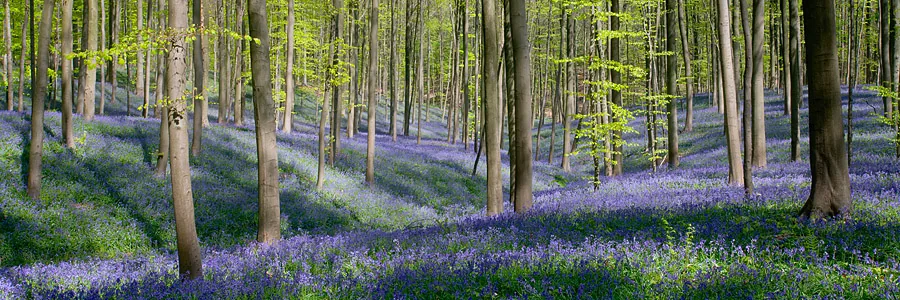
Many photographers dislike tripods. They see them as cumbersome dead weight. After all, modern cameras have image stabilization, and you can raise the ISO to obtain faster shutter speeds. That should make it easy to prevent vibration-induced blur, shouldn't it? So why carry a tripod?
The answer is simple. In landscape photography, exposures lasting several seconds are not unusual. Image stabilization will not help in that situation. Raising the ISO to shorten the exposure creates noise, so that is not an option either.
Using a tripod will improve your compositions because it encourages you to take your time framing the scene. You can calmly adjust the camera slightly up, down, left, or right until the image looks exactly as you want it.
Filters
In landscape photography, filters are mainly used to intensify colors, remove unwanted reflections, and reduce contrast. A polarizing filter and a graduated neutral-density filter can help achieve these effects.
Polarizing Filter
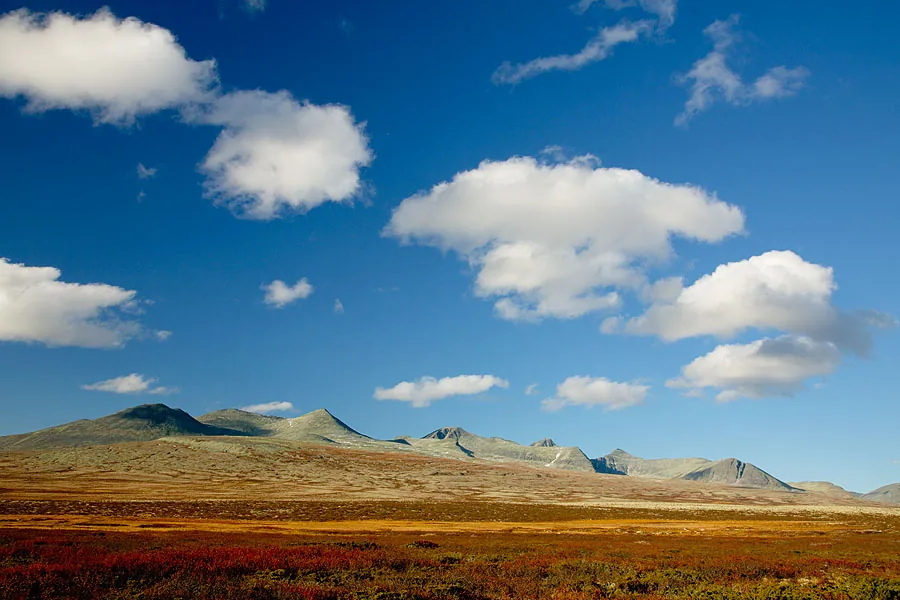
A polarizing filter removes unwanted glare and reflections while also making colors more saturated. For example, it can turn a blue sky a deeper shade of blue. You control the strength of the effect by rotating the filter. Look through the lens as you turn it to see the result immediately.
Graduated Neutral-Density Filter
A graduated neutral-density filter is used to reduce the contrast between the sky and land. This is often necessary because a camera cannot capture the same contrast range that the human eye can perceive. In photographs, this often appears as a dark foreground or an overexposed sky.
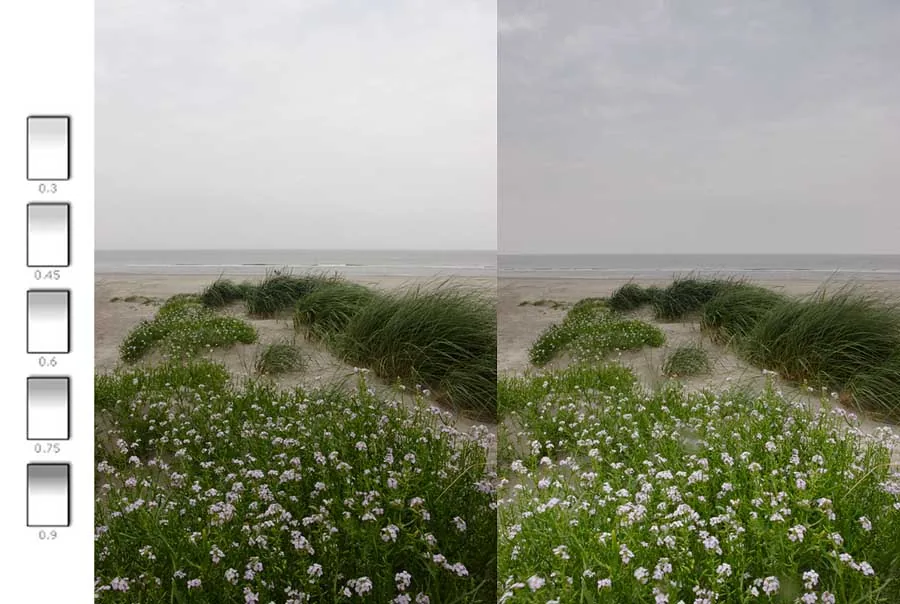
A graduated neutral-density filter is a rectangular piece of glass with a clear section and a tinted section. Position the tinted section in front of the sky. Looking through the camera, you will see the sky become darker. These filters are available in different strengths.
Technical Tips
Use a cable release. This prevents motion blur caused by pressing the shutter button, even when the camera is mounted on a tripod.
Small spirit levels are available that slide into the camera's hot shoe, helping you keep the horizon level.
Many tripods have a hook beneath the center column. You can hang your camera bag from it for extra stability.
In part 3 we explore composition and technique in greater depth through a photography trip to Norway.