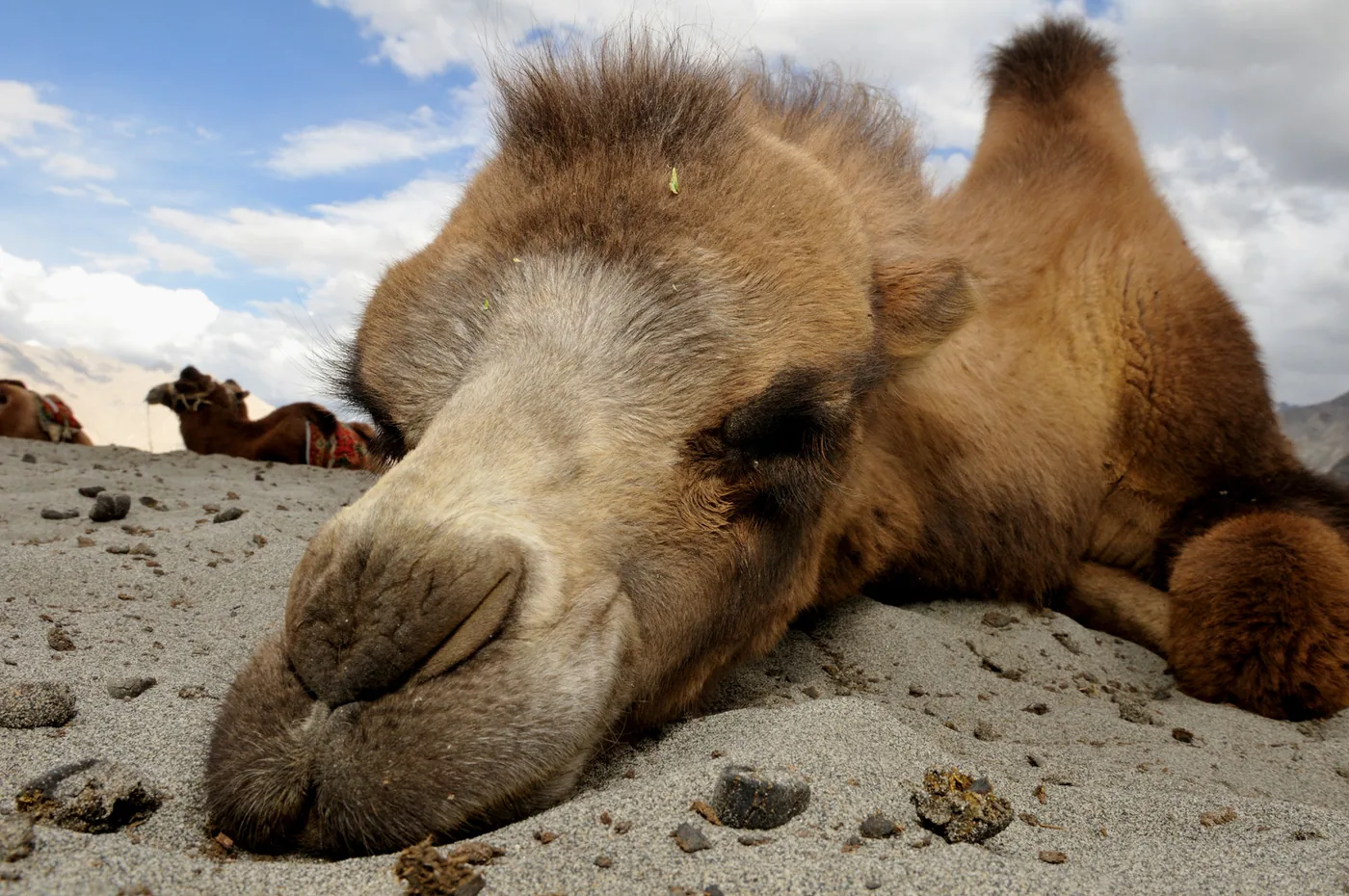
Photo: © Tom van der Leij
Photographer Tom van der Leij travels all over the world, encountering every kind of subject. In late August, he flew to mountainous Ladakh, a region in northwestern India.
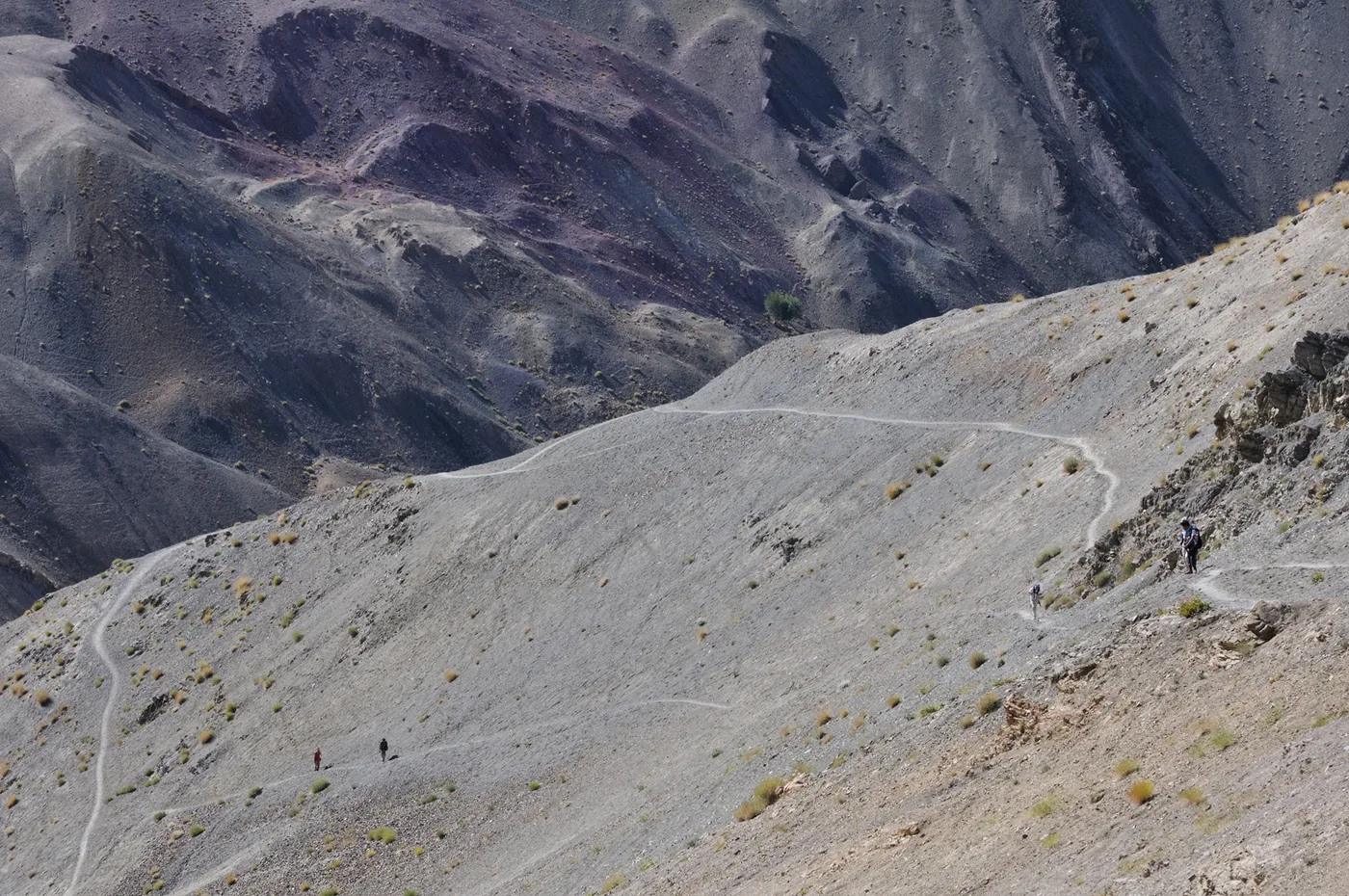
Some places in the world are a paradise for every photographer. Ladakh, a region in the far northwest of India, is one of them. Also known as Little Tibet and the Land of High Passes, it is surrounded by immense mountain ranges separated by several broad valleys and wedged between the borders with Pakistan and China. It is a high-altitude desert with peaks rising above six thousand meters.
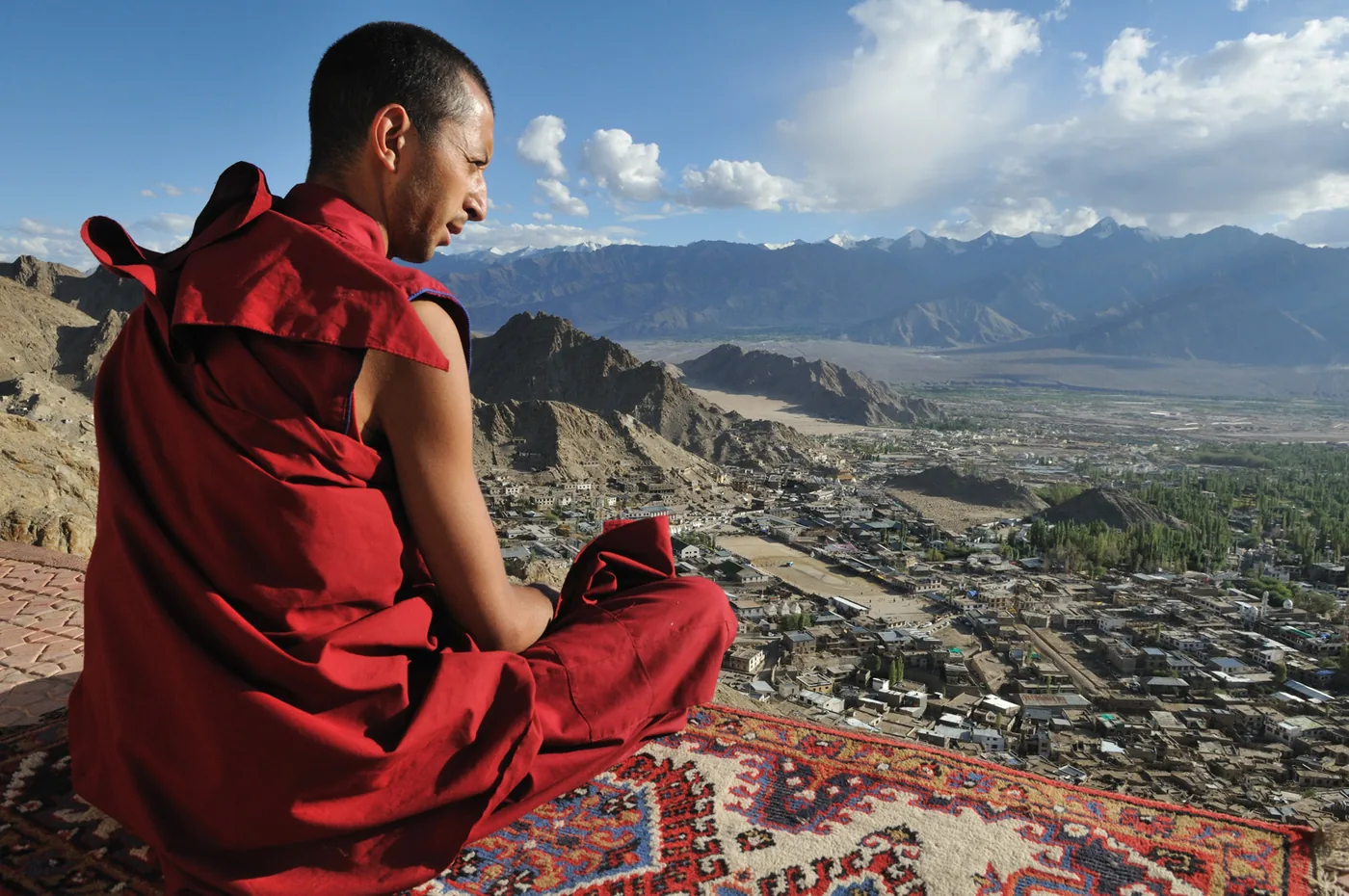
I soon discover that it really is a paradise for any photographer. After a good day of acclimatizing to the altitude, pictures seem to come at me from every direction. It is a unique combination of proud, photogenic residents amid immense mountain ranges.
Their centuries-old Buddhist monasteries cling to steep slopes. Whether you are religious or not, it feels like a spiritual place. The thin, clear air, combined with the colors of the red robes and prayer flags, creates magnificent contrasts. Every click is virtually guaranteed to produce a beautiful image. The residents are genuinely friendly, hospitable, and beautiful. Photograph someone, and before you know it you are drinking tea together and being offered a bowl of dried apricots.
My journey begins and ends in the city of Leh. In between, I do what every traveler does here: hike through the magnificent mountains and absorb the culture.
It is a unique combination of proud, photogenic residents amid immense mountain ranges
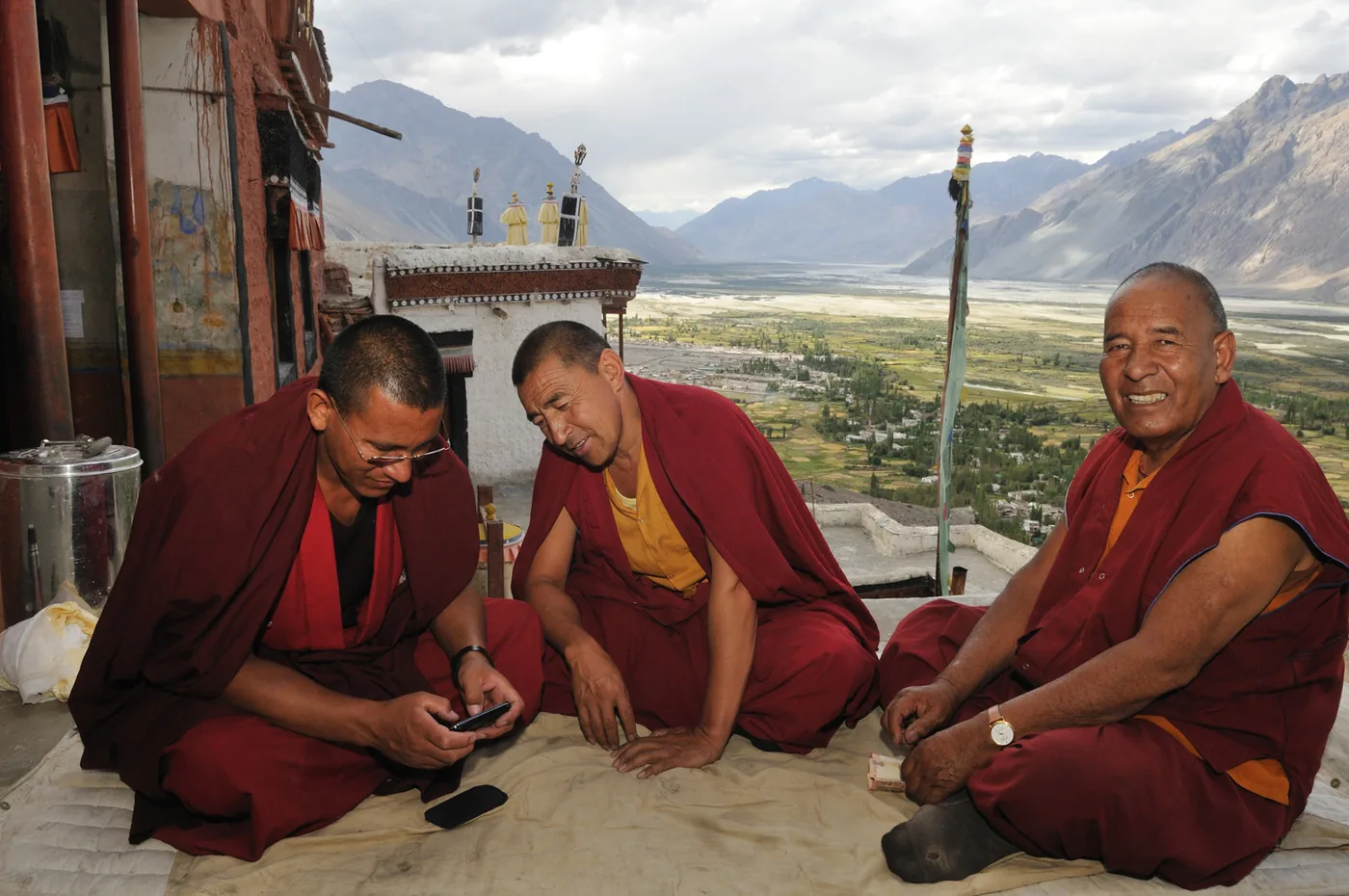
I find that I have to rein myself in a little to avoid offending the Ladakhis. My style of photography is defined by getting close to my subject without making it uncomfortable—unless I have already photographed them discreetly from a distance or from the hip so the moment is not lost.
I usually make eye contact first and try to establish a connection. I approach them respectfully. I also often show them what I am doing on the camera's LCD screen. When they see my enthusiasm because the subject—them—makes me happy, they almost naturally become willing to cooperate and be photographed.
The Ladakhis are not shy and even enjoy being photographed. Unlike willing subjects in some other countries, they ask for nothing in return. There is no culture of begging here.
I then ask my guide to explain that they should definitely continue what they were doing. After a while, they relax and seem to forget I am there. Sometimes I am literally lying beneath people, leaning over their shoulders, or squeezing between them; they allow it and often enjoy it too.
My style of photography is defined by getting close to my subject without making it uncomfortable
Yet the people in Ladakh are so polite that I feel I need to protect them from me, the photographer who enthusiastically keeps firing away. Only after photographing several people do I understand that some eventually no longer want to participate.
When one man weakly raises a hand in front of his friendly face, I first think it is his way of greeting me. When he persists, I realize that this is a polite way of saying, ‘No more, please.’ The fact that not everyone understands this signal becomes painfully clear at the Ladakh Festival, held in Leh in early September.
I have a love-hate relationship with so-called traditional festivals. Once they are labeled traditional, they feel a little less authentic to me. This one is being organized for the third time and is intended to extend the tourist season by two weeks.
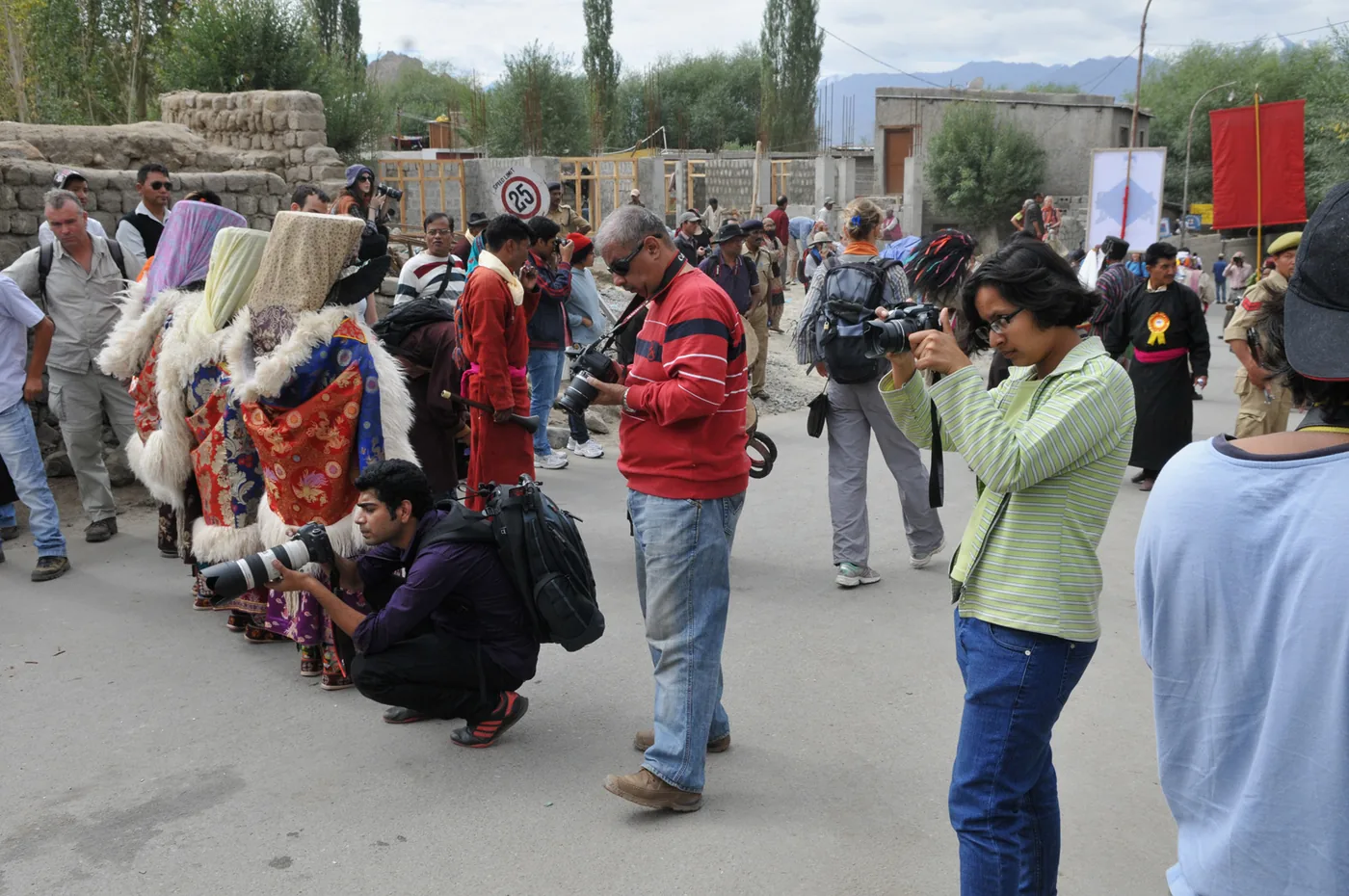
That is working rather well, given that hundreds of tourists have arrived. Still, to set aside my prejudices and satisfy my curiosity, I decide to visit the festival. The opening ceremony is not really for me—not so much because of the polished costumes the Ladakhis wear only for tourists, but because of the behavior of some fellow photographers.
I already find it less special when everyone photographs the same subject. But when some photographers also seem to think the length of their lens gives them exclusive rights to an image, the enjoyment disappears for me.
While most spectators keep their distance, a few photographers feel compelled to photograph people from as close as possible. They do not care that they obstruct the participants, hold up groups, and block the view of spectators and other photographers.
The Ladakhis taking part in the festival know they are being photographed and, to some extent, take pride in sharing their culture with the world. After all, they look their best. But they have boundaries, and I can now recognize when those boundaries are crossed.
The temptation is overwhelming amid all this splendor; the photographer in me calls for the camera
They raise a hand in front of their face, turn their head away, and use their expression to show that they have had enough. It is about showing respect, explaining what you are doing, and acting with the best intentions. It is an exchange between completely different cultures. It tests whether your conduct is ethically responsible. Then I realize that I may sometimes come across the same way: like a runaway, utterly uninhibited photographer firing away....
That morning, I put my camera away. It is a relief not to have to think in pictures and to let everything wash over me. I can no longer hide behind that black contraption. I decide not to bring it out again until I feel proud to be a photographer.
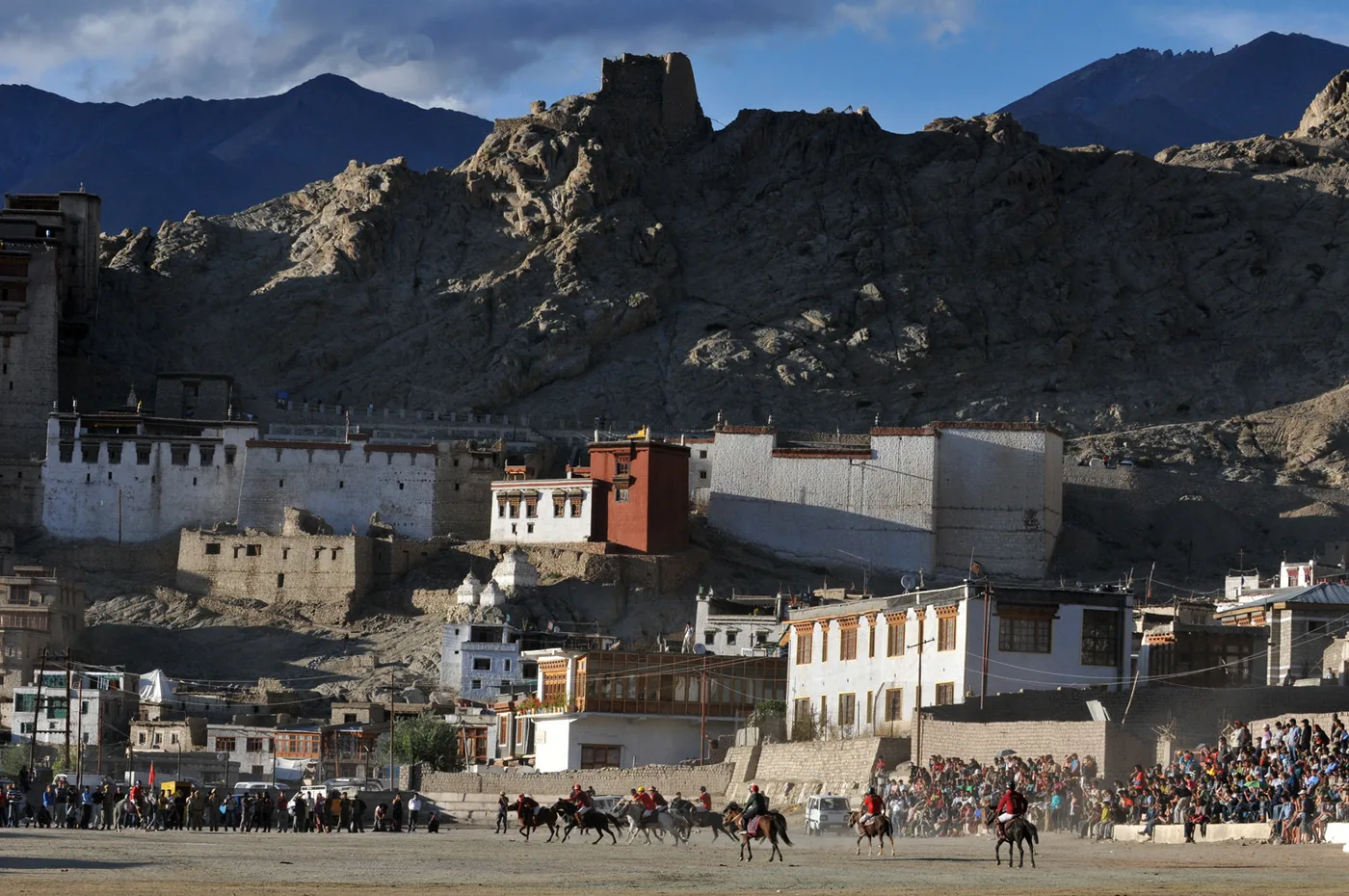
By the afternoon, I can no longer resist. The cause is a polo match that officially opens the festival: men in red uniforms on powerful horses racing across a dusty plain before thousands of spectators, surrounded by high mountains.
The temptation is overwhelming amid all this splendor; the photographer in me calls for the camera. I give in and shoot. Once again, little can go wrong, and every click produces a beautiful image. This time, however, I will not photograph the subject from extremely close range. Fortunately, I have to keep my distance from my ‘victims’ or a group of horses will trample me. At least my telephoto lens is useful again.
The feature on this trip, created by Tom van der Leij with travel reporter Fransje Grisnich, will appear in the November/December issue of Columbus magazine.
With thanks to www.sawadee.nl and Dadul, a guide with tour operator www.thenomadicway.in.