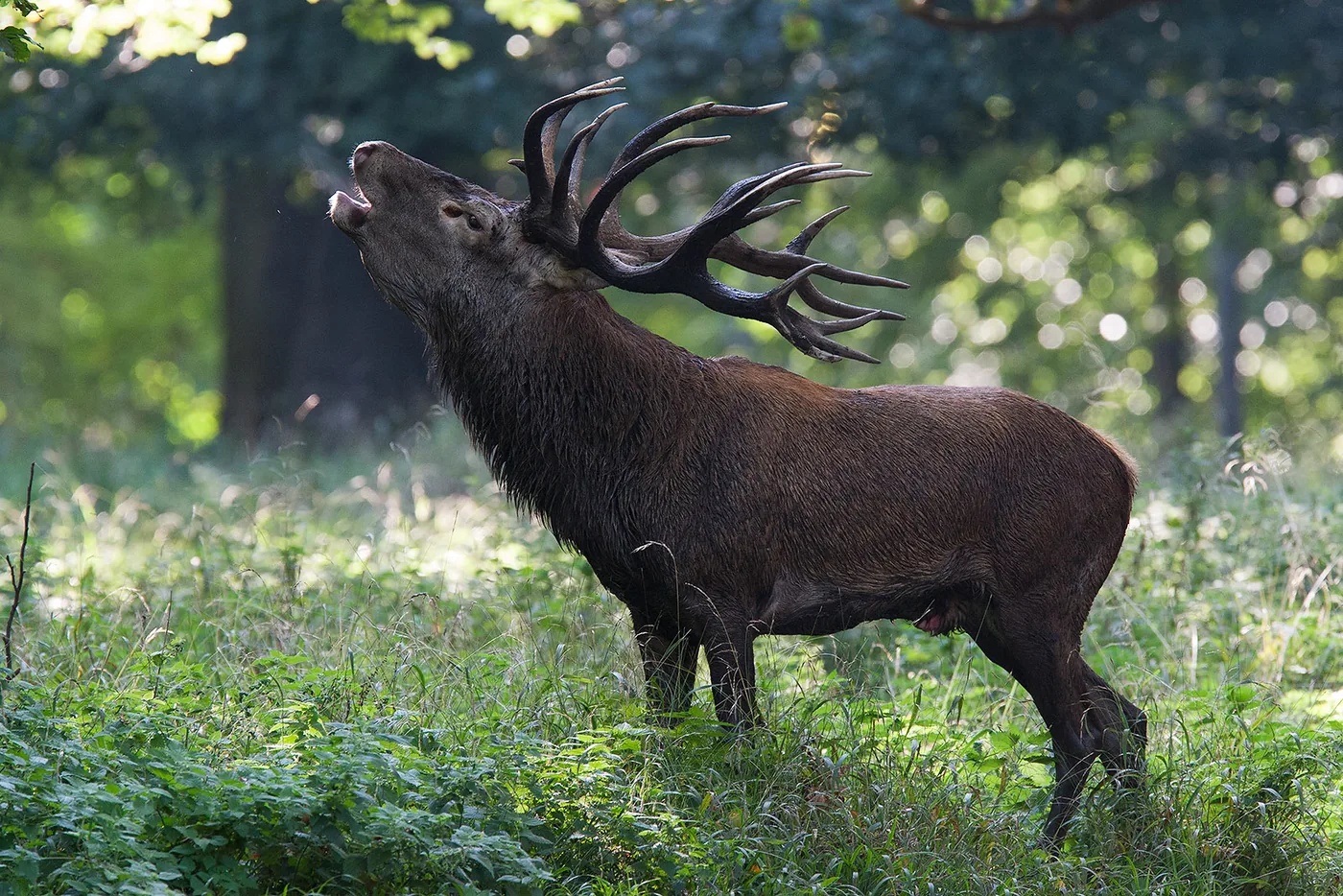
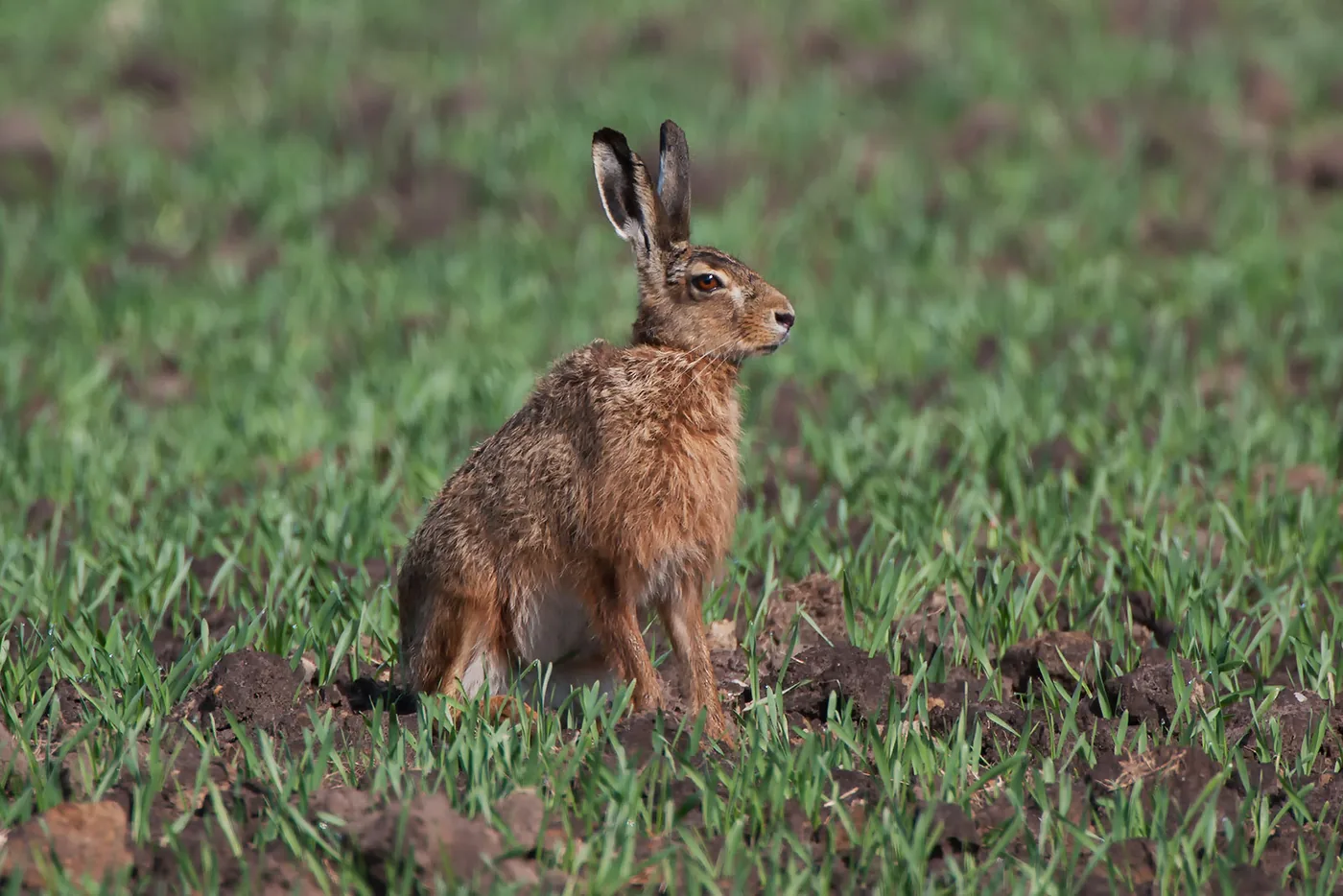
photo: © Jan Duker | 300mm f/2.8 with a 1.4x converter, from a camouflaged hide, aperture f/5.6, shutter speed 1/125 s
Photographing large mammals requires knowledge, patience, and respect for nature. Animals such as roe deer, red deer, wild boar, and badgers are wary and difficult to approach. This article offers practical tips for photographing large mammals in the wild without disturbing them.
Mammals are wary because of the negative experiences they generally have with people. Their daily rhythm has largely shifted to nighttime, early morning, or late evening twilight. We therefore rarely or never see some species, such as badgers and foxes, while roe deer and red deer are often visible only from a great distance.
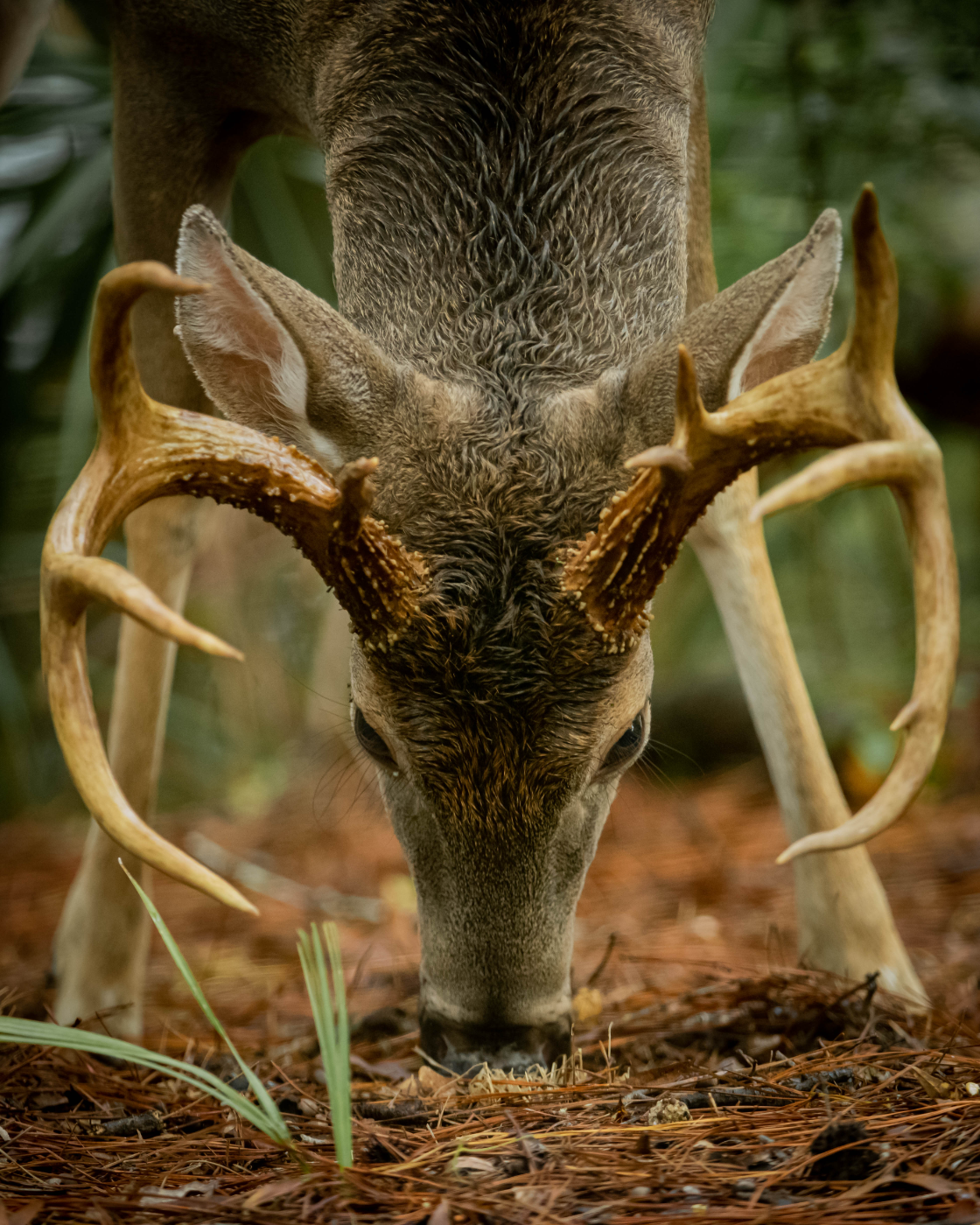
Remember that animals are sensitive to intrusions into their habitat and can respond only by fleeing. Even so, they can be photographed responsibly without being disturbed.
Mammal Behavior and Daily Rhythms
Knowledge is the key to success. First decide which animal you want to photograph, then study that species carefully. Consult books and other sources for information about its habits, patterns, and background. Animals often have established routines and behaviors. They visit fixed locations to feed and rest, and follow regular routes through their territory.
Explore the areas where the animals live and get to know them well. Find out what they eat and where that food occurs in the area. Learn to recognize their tracks as well. This will give you a clear picture of how the animals move through the landscape.
At this stage, you are really still researching and learning. As far as the mammals are concerned, you can safely leave the camera at home for now.
Photographing Large Mammals in the Wild
Large mammals have exceptional senses. Their hearing, vision, and sense of smell are usually highly developed. Approaching them directly only disturbs them, which is exactly what we as wildlife photographers want to avoid.
Instead, try to let the animals come to you. If you want to photograph roe deer and know where they emerge from cover in the evening to forage, find a concealed position where the animals will not notice you. Sit in front of a thick tree, among shrubs, or in a wooded embankment so that you blend into the natural surroundings.
Drape camouflage netting over yourself and your equipment and remain still. Then wait to see what happens. It is important to stay downwind: the wind should blow from the animal toward you so it cannot smell you. If it does pick up your scent, your chances are gone.
Long telephoto lenses are usually used, preferably fast ones because you often photograph in morning or evening twilight
Arrive early and take your position before the animals emerge from cover. Keep plenty of distance, especially on your first attempt. The animals often move around the area and may eventually come closer on their own. On another day, try a different location.
Tip: Do not start shooting the moment you see the first animals. A shutter and motor drive make a lot of noise, especially in quiet natural surroundings. Let the animals settle after they emerge from cover. Take a few photographs and watch how they react. If they continue grazing calmly, there is no problem; if they remain uneasy, stop photographing.
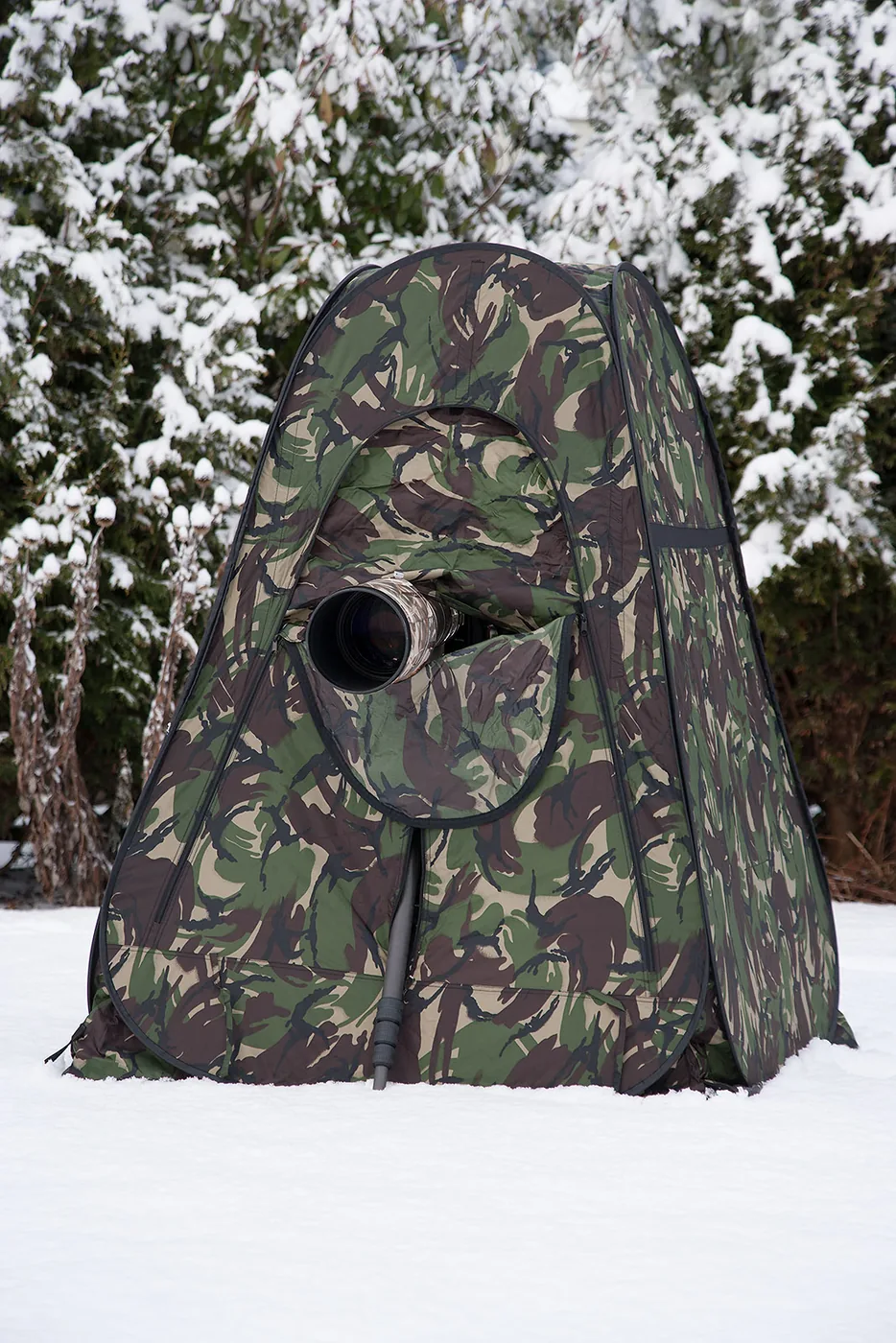
Using a Hide or Car
Another option is to use a portable hide. These are easy to set up, fold, and carry. The animals cannot see you inside, so they are less likely to be disturbed by your presence.
It is best to camouflage the hide as thoroughly as possible so it does not stand out in the terrain. Cover it with camouflage netting and use natural materials to make it as inconspicuous as possible.
Here too, make sure you arrive and are seated inside the hide before daybreak. You cannot simply set up a hide anywhere; consult the landowner first.
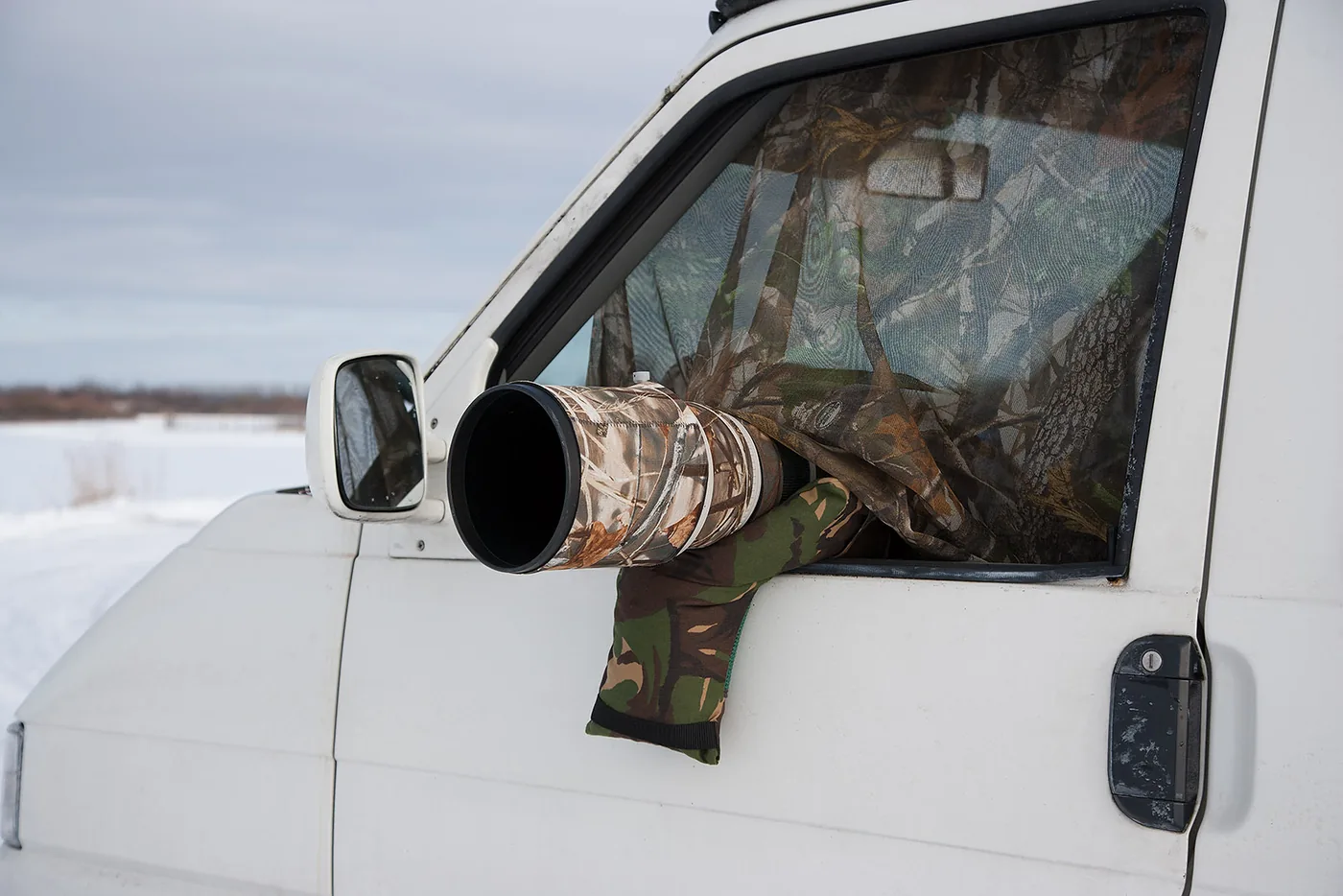
A car is an alternative to a portable hide. Many animals do not perceive it as a threat. Choose a good location and remain there. Do not drive restlessly around the area. Again, the animals may come toward you if you wait patiently.
Place camouflage material over the window, because animals are easily startled by movement inside a car. A car limits the spread of human scent, but you should still remain downwind as much as possible.
Clothing
Wear dark clothing, preferably in natural colors, and cover your hands and head as well. Animals often notice these as moving white patches, which makes them uneasy. Do not use strong aftershave or smoke; these odors spread quickly and are readily detected by animals.
Equipment for Mammal Photography
Long telephoto lenses from 300 MM to 600 MM are usually used. Fast lenses are preferable because photography often takes place in morning or evening twilight. Bring a sturdy tripod for adequate stability and consider a teleconverter to extend your focal length.
For more information about telephoto lenses, read Super-telephoto lenses: how do you use them? for additional guidance.