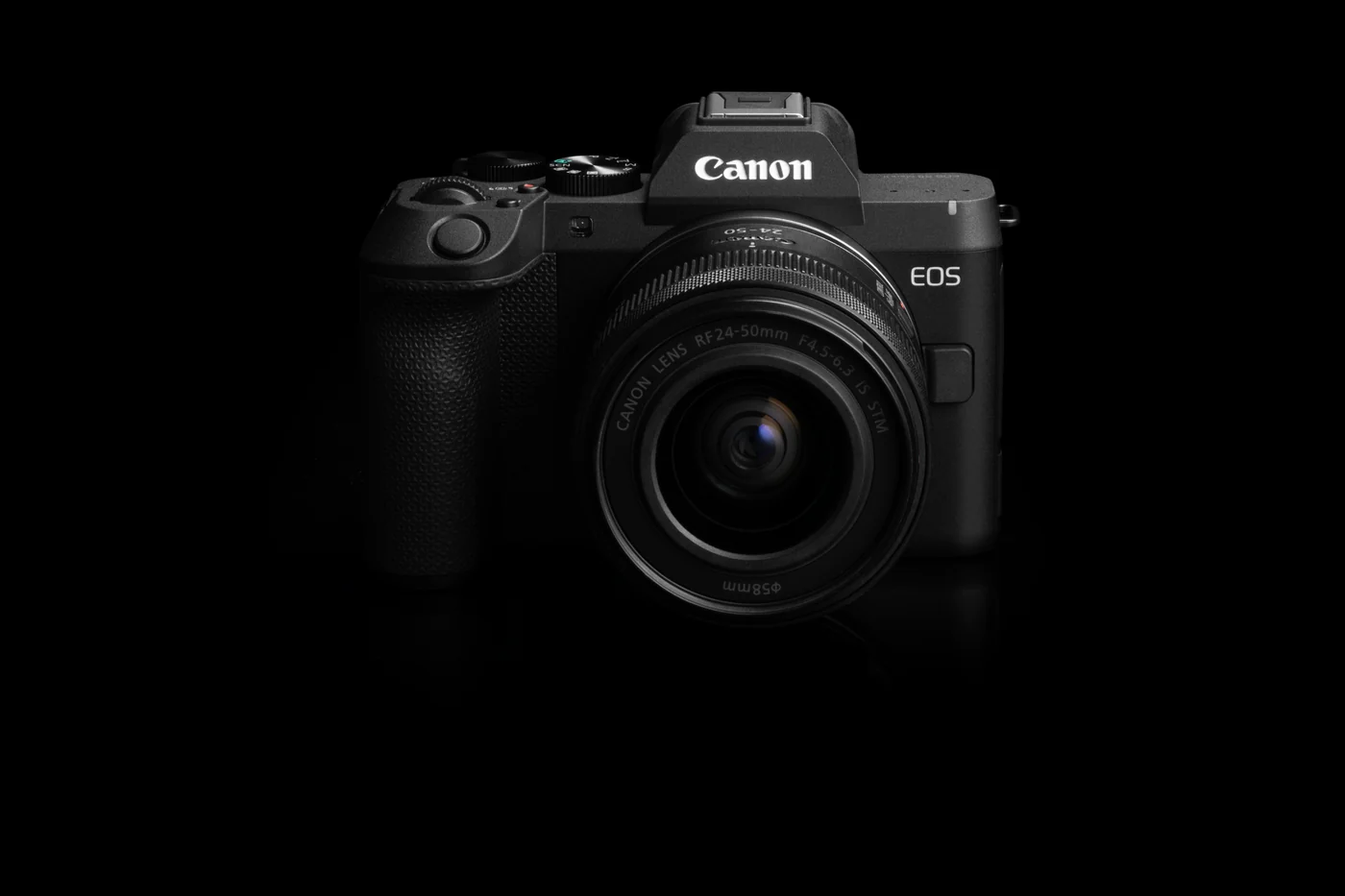
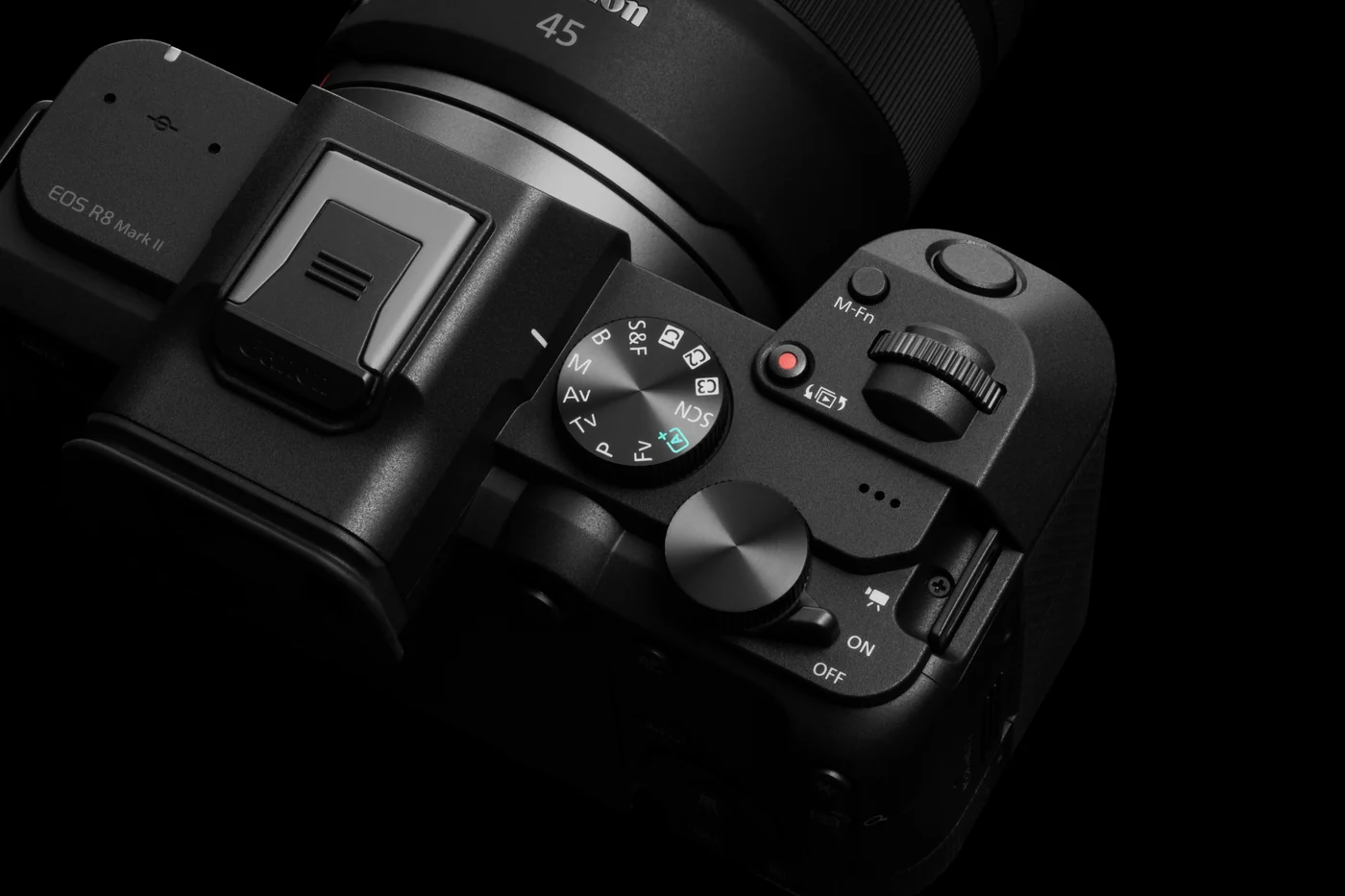
Canon introduces the EOS R8 Mark II, a compact full-frame camera with in-body image stabilisation, intelligent subject detection and burst shooting at up to 40 frames per second. It weighs approximately 546 grams with a battery and memory card, without a lens.
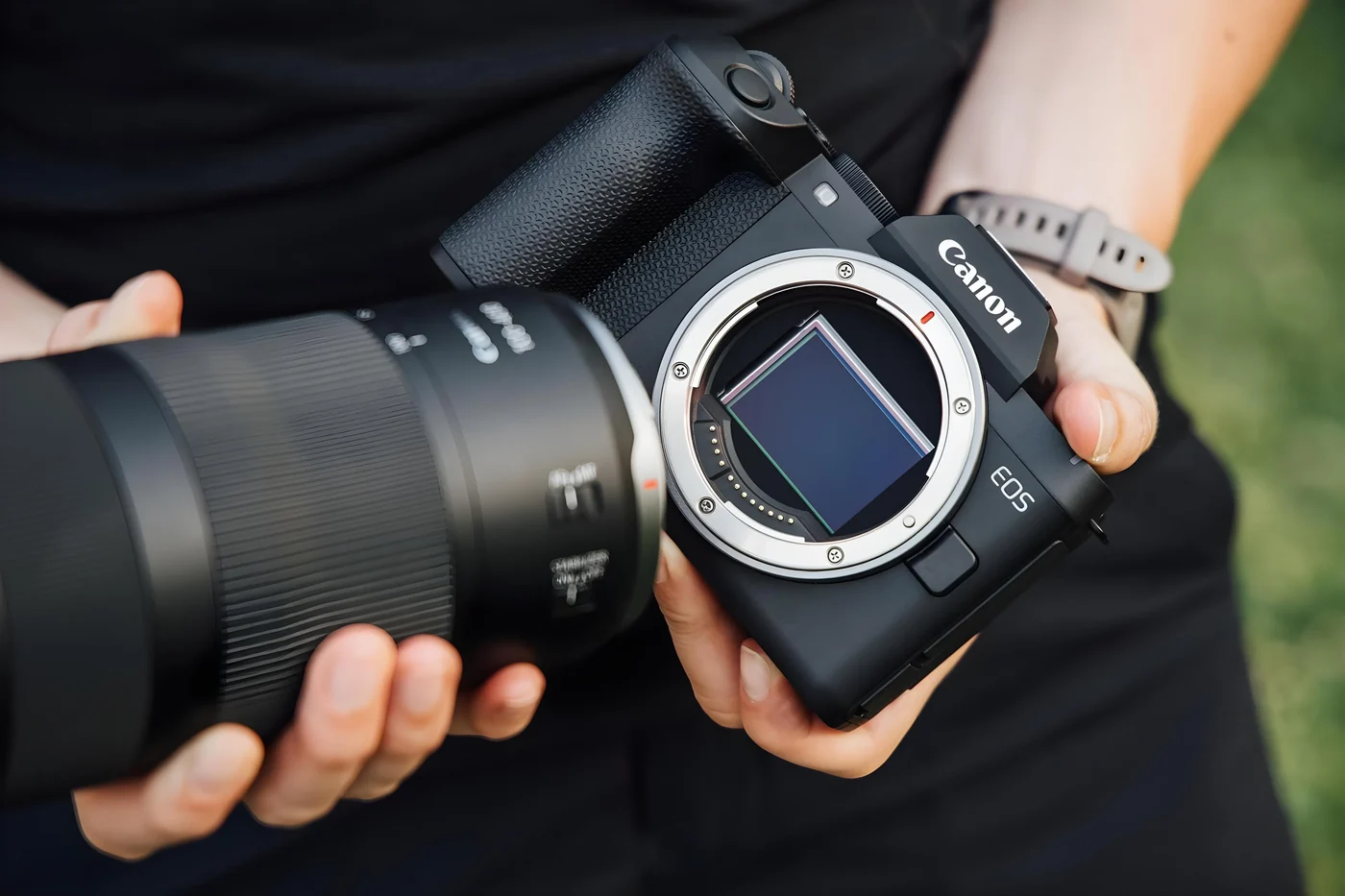
Conditions change constantly when you travel. You walk from a sunny street into a dark church, take a portrait and, moments later, see something happen that calls for an immediate response. For situations like these, the Canon EOS R8 Mark II combines a 24.2-megapixel full-frame sensor with a DIGIC X processor and in-body image stabilisation.
What does image stabilisation do for you?
In-body image stabilisation compensates for small camera movements. When photographing an interior or a cityscape at dusk, it can let you use a slower shutter speed while shooting handheld and keep the ISO lower. Canon claims up to 7.5 stops of stabilisation at the centre of the frame.* The result depends on your lens and how steadily you hold the camera.
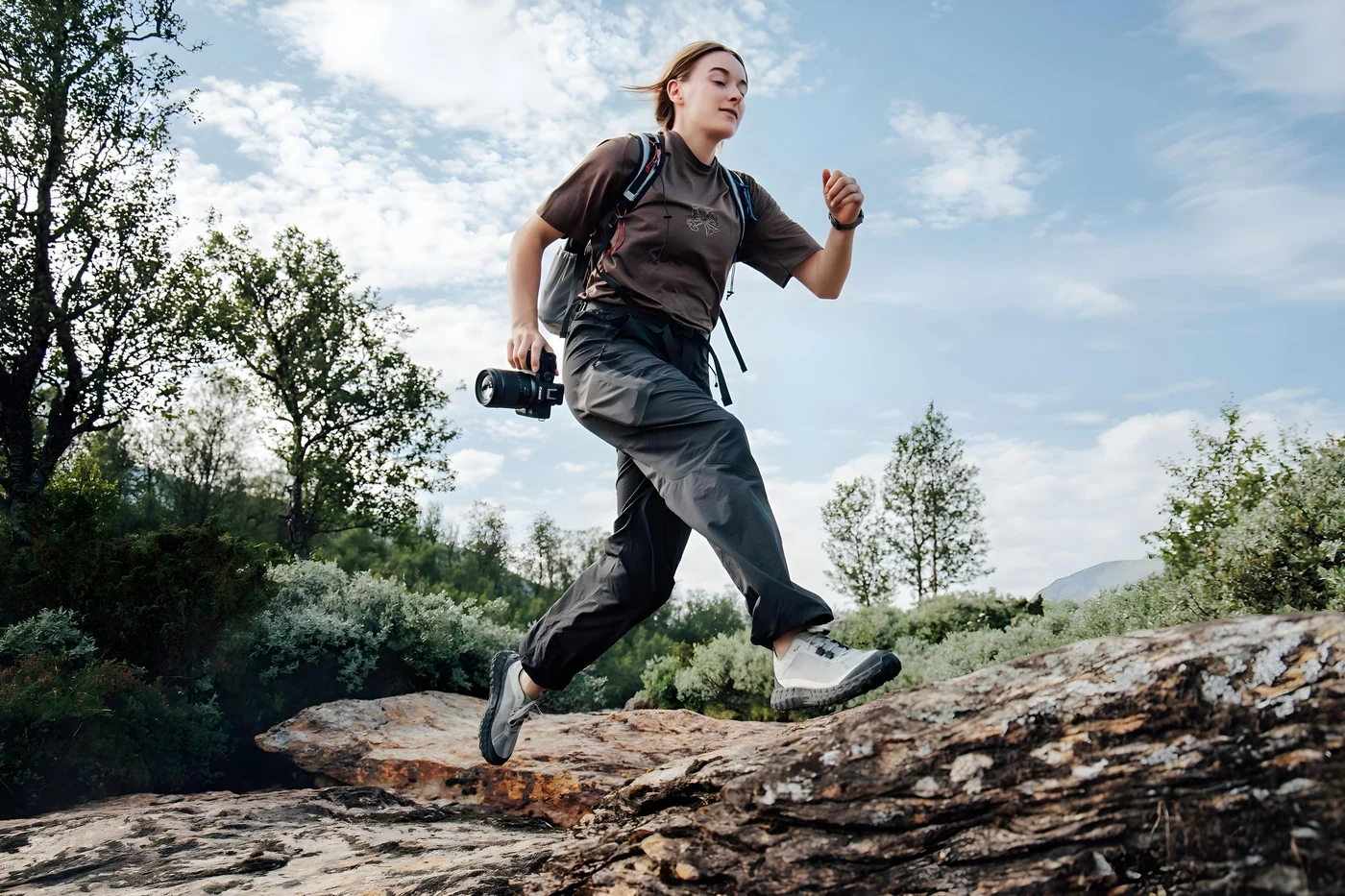
A person walking or an animal moving still calls for a fast shutter speed. Stabilisation compensates for your movement, but it cannot freeze your subject.
The moment before you press the shutter
The EOS R8 Mark II can shoot at up to 40 frames per second and, according to Canon, has buffer capacity for up to 73 RAW files in one burst. The speed you can achieve depends in part on the lens, settings and lighting conditions.
Pre-continuous shooting gives you some leeway when action takes you by surprise. With the feature enabled in H+ mode, the camera also saves images from around half a second before you fully press the shutter button, up to 20 additional frames.
The Canon EOS R6 Mark II also offers half a second of pre-shooting, as part of its RAW Burst mode.
Whether a bird suddenly takes flight or someone makes an unexpected expression, you can also capture what led up to the moment. You do need to have the camera pointed at your subject and be ready to shoot.
Autofocus that recognises your travel companions
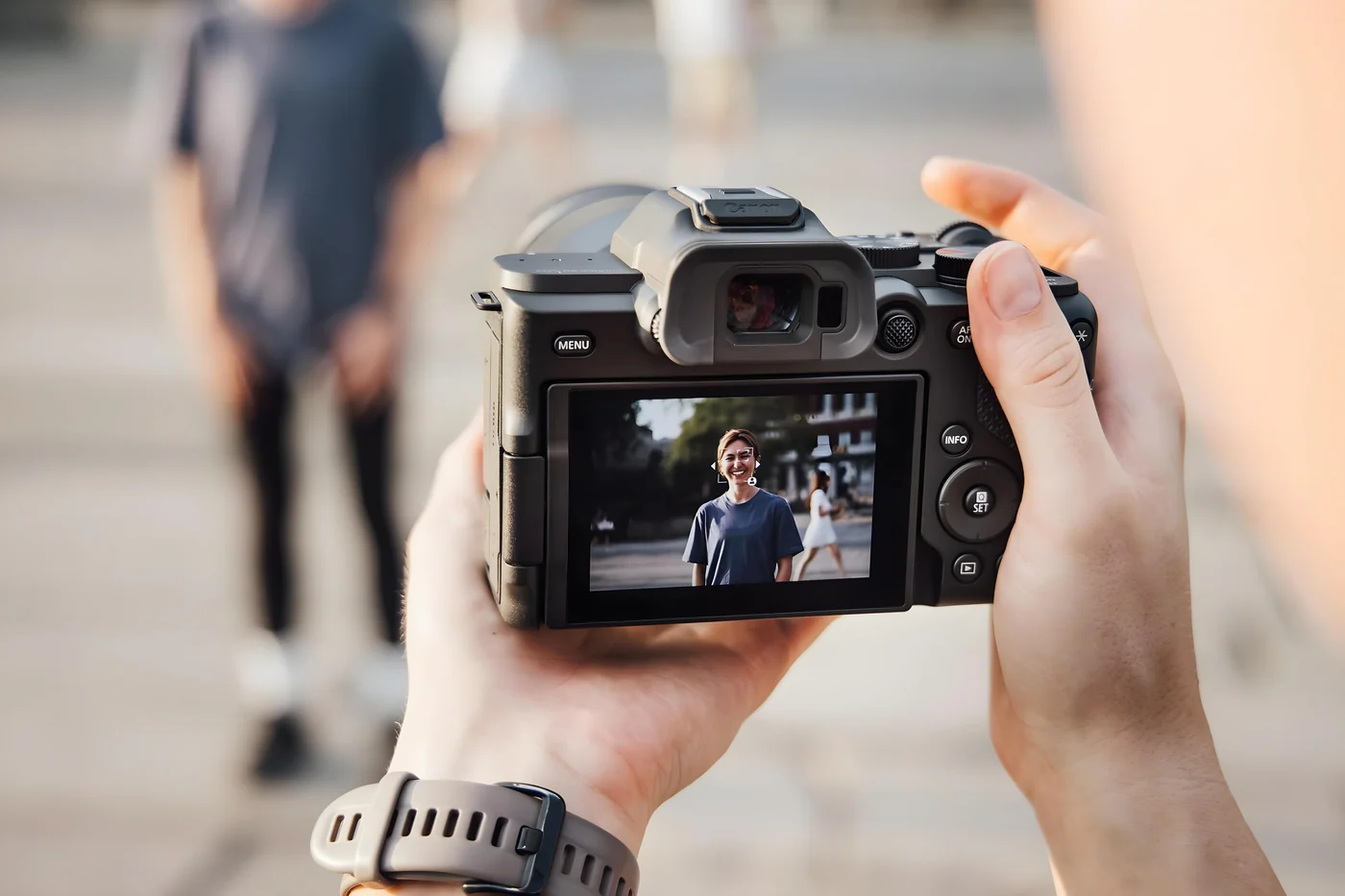
Dual Pixel CMOS AF II recognises people, animals and vehicles. When photographing people, the system can track eyes and faces, leaving you free to concentrate on the composition.
Register People Priority lets you give specific people priority. You can register up to ten faces in the camera and store up to one hundred on a memory card.
If you are photographing your partner or child in a busy square, autofocus selects a recognised face according to the priority you have set. That means you need to identify your subject manually less often.
More control at your fingertips
The new multi-controller, a small joystick beneath your thumb, lets you move the autofocus point. You can customise buttons and shooting modes to suit your preferences.
For a more secure grip, you can add the optional Extension Grip EG-E2. It has its own tripod socket and leaves the battery compartment accessible.
Film in 4K, experiment with 3D
The EOS R8 Mark II records 4K video at up to 60 frames per second using a 6K readout. For slow motion, Full HD at up to 180 frames per second is available. Canon Log 3 gives you more scope to adjust colour and contrast afterwards. Movie Digital IS reduces camera movement while filming.
With Dual Pixel 3D Imaging, the camera captures JPEG files containing depth information. The Dual Pixel 3D Converter app for Windows turns these into 3D content, an extra feature for anyone who wants to experiment with it.
Price and availability
The Canon EOS R8 Mark II body will cost €1,839. Deliveries are expected to start in October 2026.
Who is the EOS R8 Mark II for?
If you often shoot handheld and alternate between quiet scenes and action, stabilisation and pre-shooting are particularly useful additions. Pair the camera with a lens that suits both what you photograph and what you want to carry.
* Measured according to CIPA 2024 with the RF 24–105mm F2.8 L IS USM Z at 105mm.