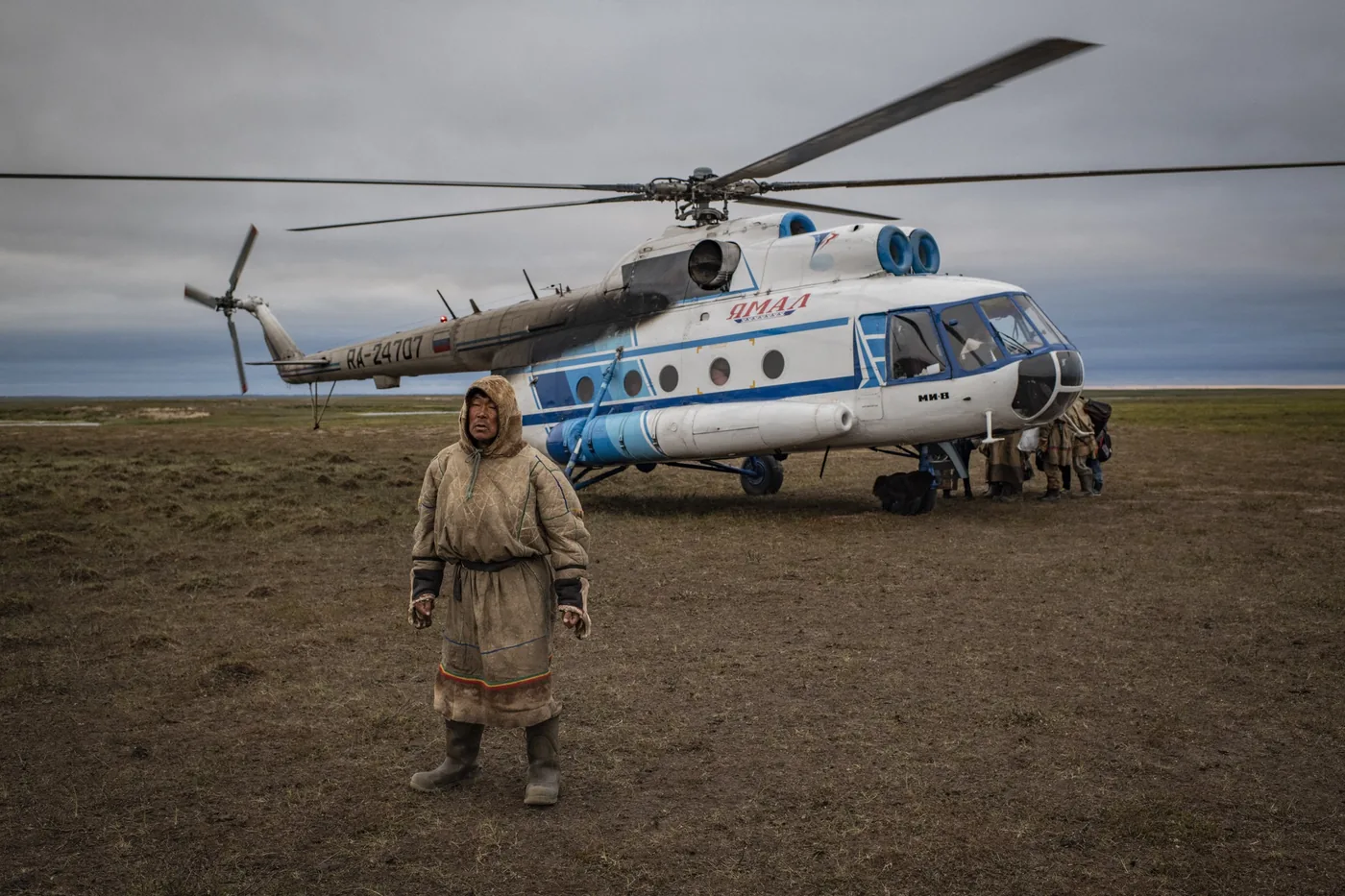
photo: © Yuri Kozyrev | NOOR for Foundation Carmignac
A photo report by photographers Kadir van Lohuizen and Yuri Kozyrev, featured on the VPRO Tegenlicht episode Conquest of the North Pole on March 3, 2019
As climate change melts the ice at the North Pole, waterways open up in summer, giving ships access to previously inaccessible raw materials. A rush by major powers for nickel and gold mines is heightening geopolitical tensions and having major consequences for the lives of Arctic residents.
Russian photographer Yuri Kozyrev and Dutch photographer Kadir van Lohuizen traveled to the Arctic, each visiting a different region. They documented their journeys in photographs and video and spoke with people they met along the way. Van Lohuizen covered the western Arctic.
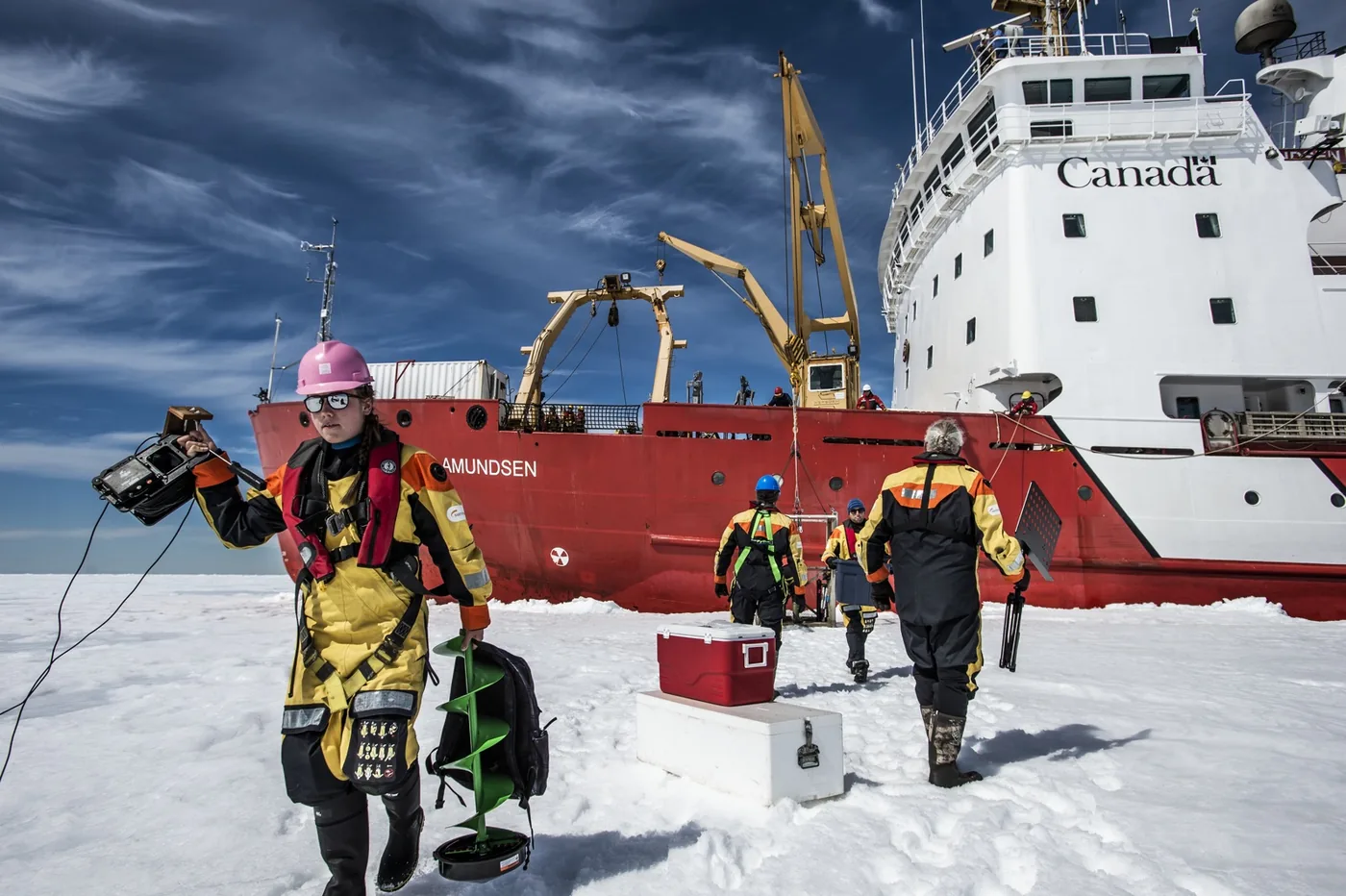
The Inuit, the Arctic’s Indigenous people, took him whale hunting and explained how the melting ice threatens their livelihoods. He also traveled with the Canadian military and visited the U.S. Coast Guard in the Arctic, which patrols the newly opened shipping routes.
The Arctic ice acts as a kind of air conditioning system for the Earth. Doing nothing is not an option...
The military presence is growing as the contest for oil, gas, and minerals in the Arctic intensifies. Change is rapid, especially in the Russian part of the Arctic. Ports are being built at a fast pace, and Russia is constructing large numbers of icebreakers, enabling a container ship to travel from China to Norway in barely three weeks.
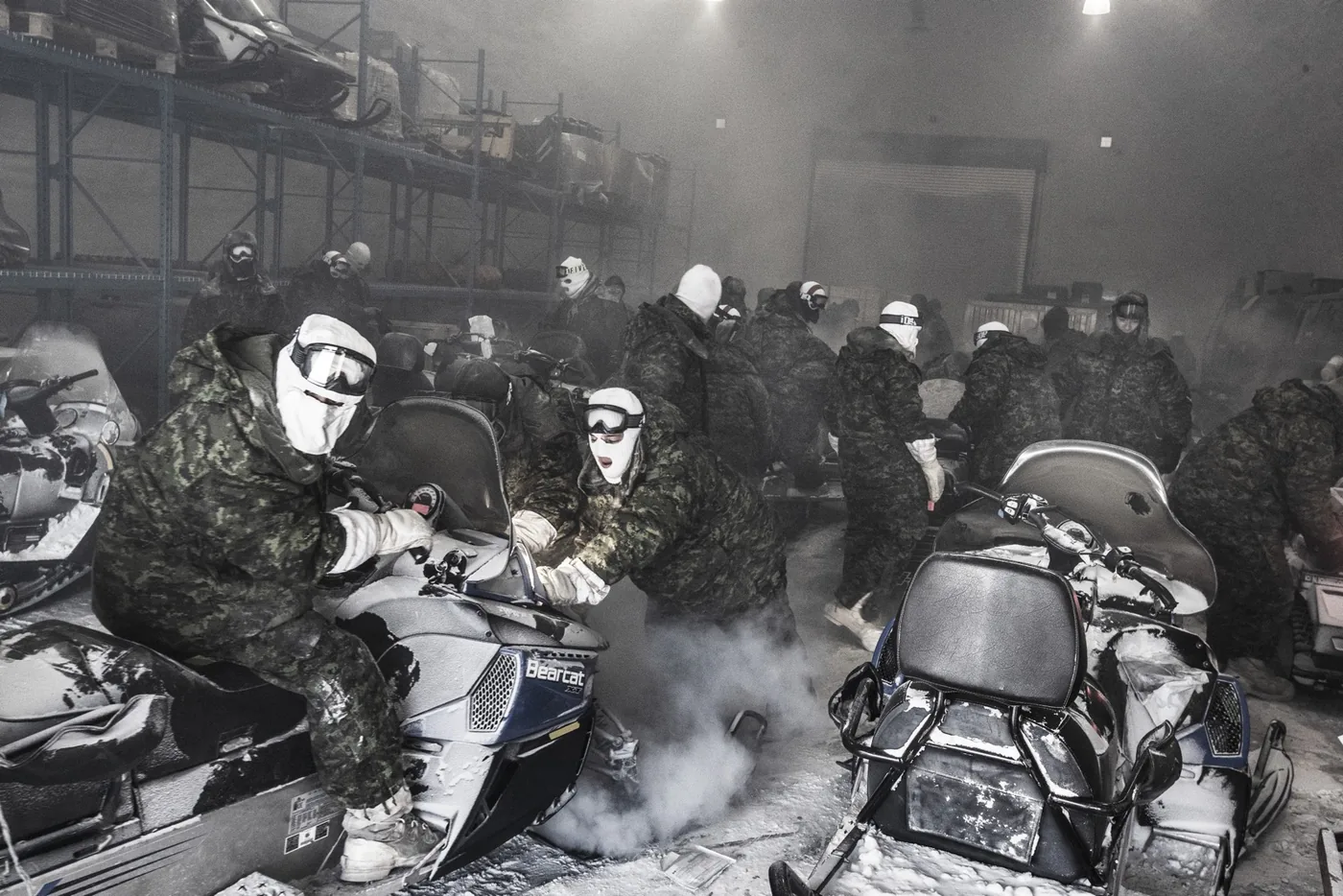
In Russia, Kozyrev visited the Siberian gas fields operated by the Russian gas company Gazprom, where the latest extraction technologies are used. He also visited the Naval Academy, where young Russian recruits are trained. The boys, some still children, learn about the climate and how to handle a rifle while singing about the heroic role they will fulfill in the future.
Meanwhile, the balance between Gazprom and the nomadic Nenets, who have traveled through the polar regions for generations, is precarious. The melting Arctic creates economic opportunities, but it also threatens the lives of its Indigenous people—and our own. It may seem remote, but the Arctic ice acts as a kind of air conditioning system for the Earth. Doing nothing is not an option.
Direction & compilation: Kadir van Lohuizen, Yuri Kozyrev, and Michiel Hazebroek.