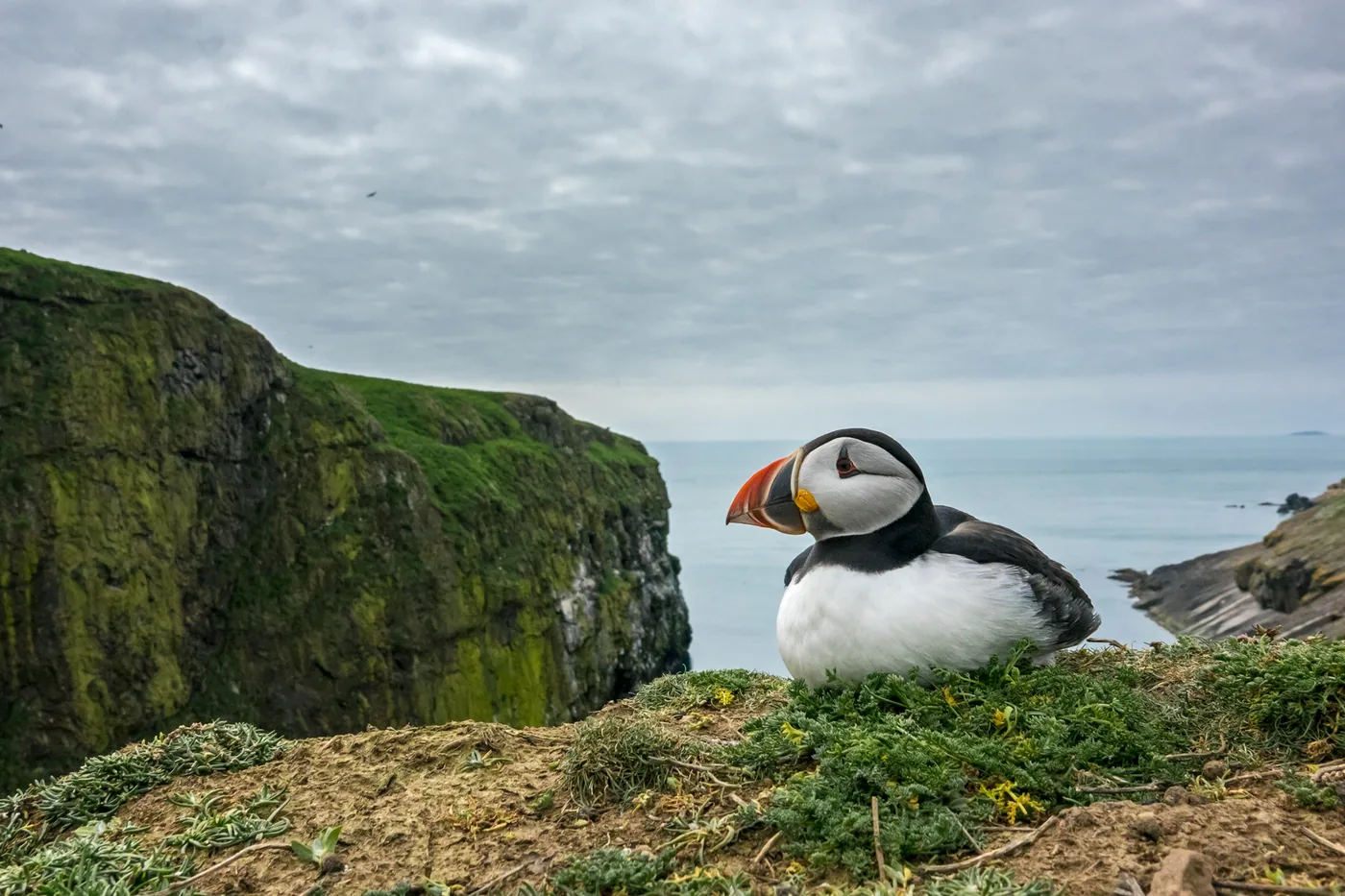
Photo: Sam Hobson © All rights reserved — Puffin
Sony and the European Outdoor Conservation Association invited nature photographers across Europe to photograph endangered species with the Sony RX10 III. The project remains interesting because it shows exactly where a superzoom camera can excel in nature photography: reach, speed, and working without unnecessarily disturbing animals.
Sony and the European Outdoor Conservation Association, or EOCA, collaborated on a photography project about endangered species in Europe. Nature photographers from several countries set out to photograph a selection of vulnerable animals with the Sony RX10 III.
Wildlife Requires Distance and Patience
Getting close is rarely straightforward in nature photography. Animals cannot be directed, and vulnerable or endangered species in particular should be disturbed as little as possible. That is precisely why a long zoom range is practical: you can keep your distance while still creating an image in which the animal has a clear presence.
The RX10 III was used for this project partly because of its long telephoto reach and silent shutter. The latter matters more than it may seem on paper. A loud shutter click can startle an animal or break the moment. A quiet camera gives the photographer a better chance to continue observing calmly.
A Dutch Photographer in Denmark
For the project, Dutch nature photographer Gustav Kilburg photographed a rare kingfisher in Denmark. He particularly emphasised the flexibility of a lightweight camera. That is no luxury in wildlife photography: anyone who walks, waits, or needs to move carefully for long periods notices every extra kilogram in the bag.
A camera such as the RX10 III is therefore a compromise that can make perfect sense in some situations. You do not have the full flexibility of interchangeable lenses, but you do have a range that covers many subjects. For birds, mammals, and unexpected encounters in nature, that can make the difference between getting the photograph and missing it.
Animals in Their Environment
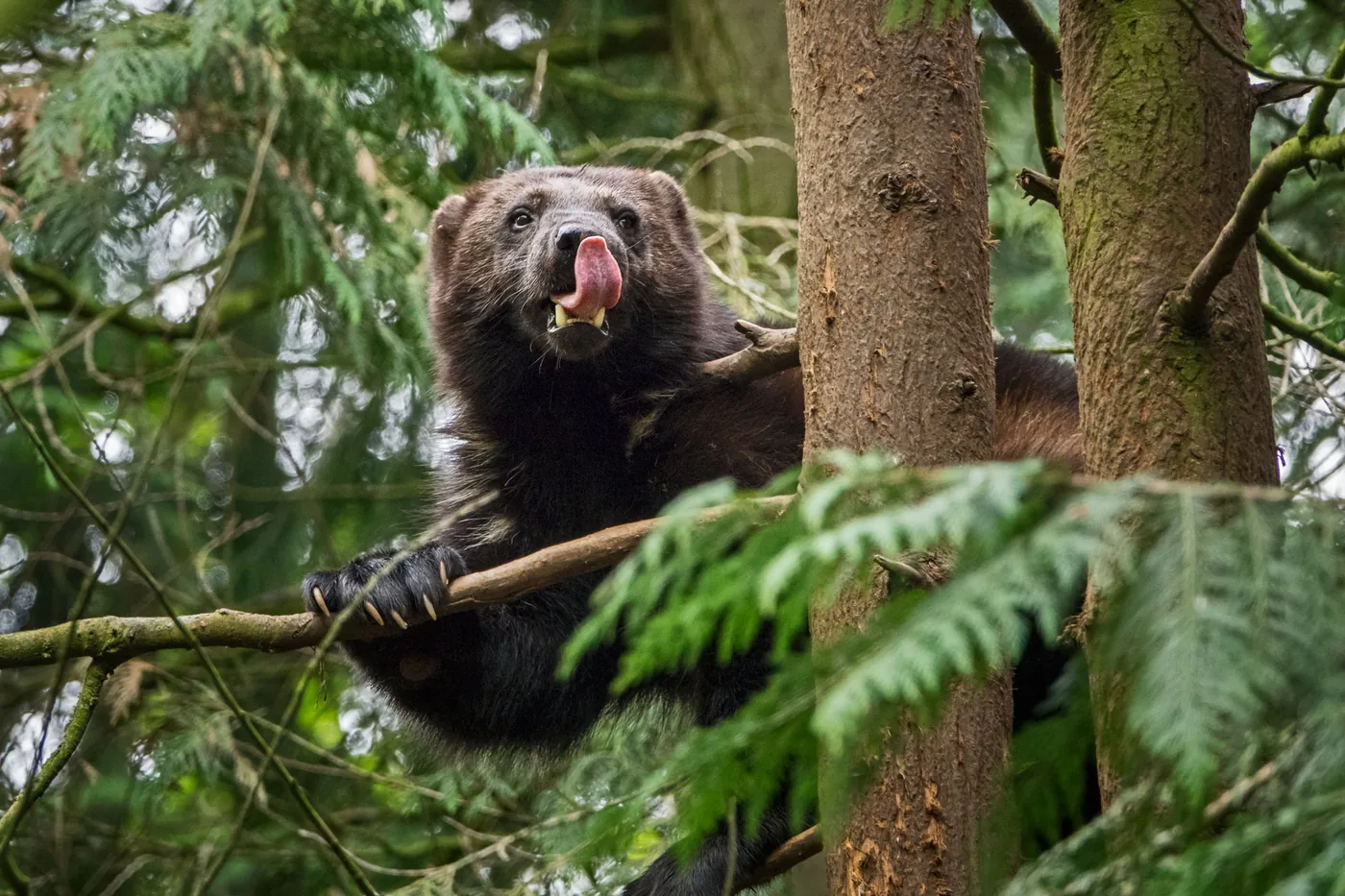
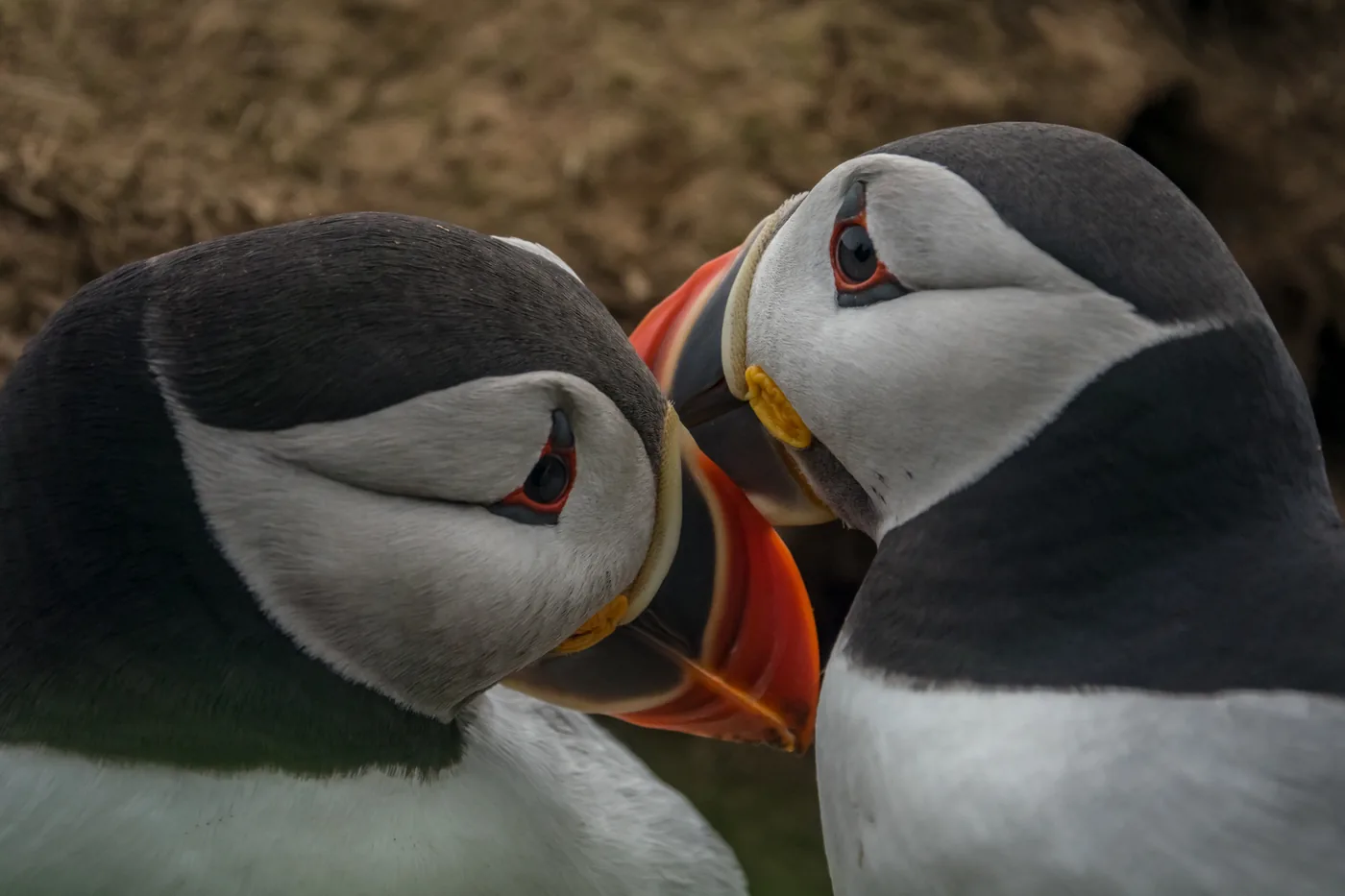
Several nature photographers took part in the project. Javier Alonso Huerta photographed the little bustard in Spain, Lassi Rautiainen captured a wolverine in Finland, Markus Stähli photographed a rare bison in France, and Sam Hobson went in search of Atlantic puffins on Skomer Island.
What these examples share is that the animals are not treated as isolated subjects. Their environment is part of the image: rocks, forest, grassland, coast, light, and distance. That makes wildlife photography more powerful. An animal is not merely a subject, but part of a habitat.
What Photographers Can Learn from This
The project is interesting not only because of the camera. It also reinforces a basic rule of nature photography: technique helps, but behaviour and attentiveness are at least as important. Anyone who wants to photograph animals must be able to keep their distance, work calmly, and understand when it is better not to move closer.
A superzoom camera can help because it reduces the need to move around or change lenses. But the best photograph still comes from looking, waiting, and respecting the subject.
A Superzoom as a Practical Tool
In this project, the Sony RX10 III was primarily a practical tool. It made it possible to photograph endangered animals from a relatively long distance, without a heavy kit and without approaching the animals unnecessarily.
Even years later, the idea remains familiar. Not everyone needs a superzoom camera, but the concept remains compelling for nature, travel, birds, and other distant subjects: one camera, extensive reach, and enough flexibility not to miss the moment.
European Outdoor Conservation Association
The European Outdoor Conservation Association raises money for groups dedicated to nature conservation. It is funded through membership fees and other fundraising activities within the outdoor industry. Membership fees go entirely towards supporting projects. Anyone who can demonstrate active involvement in the European outdoor industry can become a member.
Sony has since announced the RX10 V as a new generation of superzoom camera, again aimed at photographers seeking extensive reach in a single fixed lens.
Article updated in July 2026: This older article was editorially refreshed following the announcement of the new Sony RX10 V. It deliberately remains focused on the original RX10 III nature project.