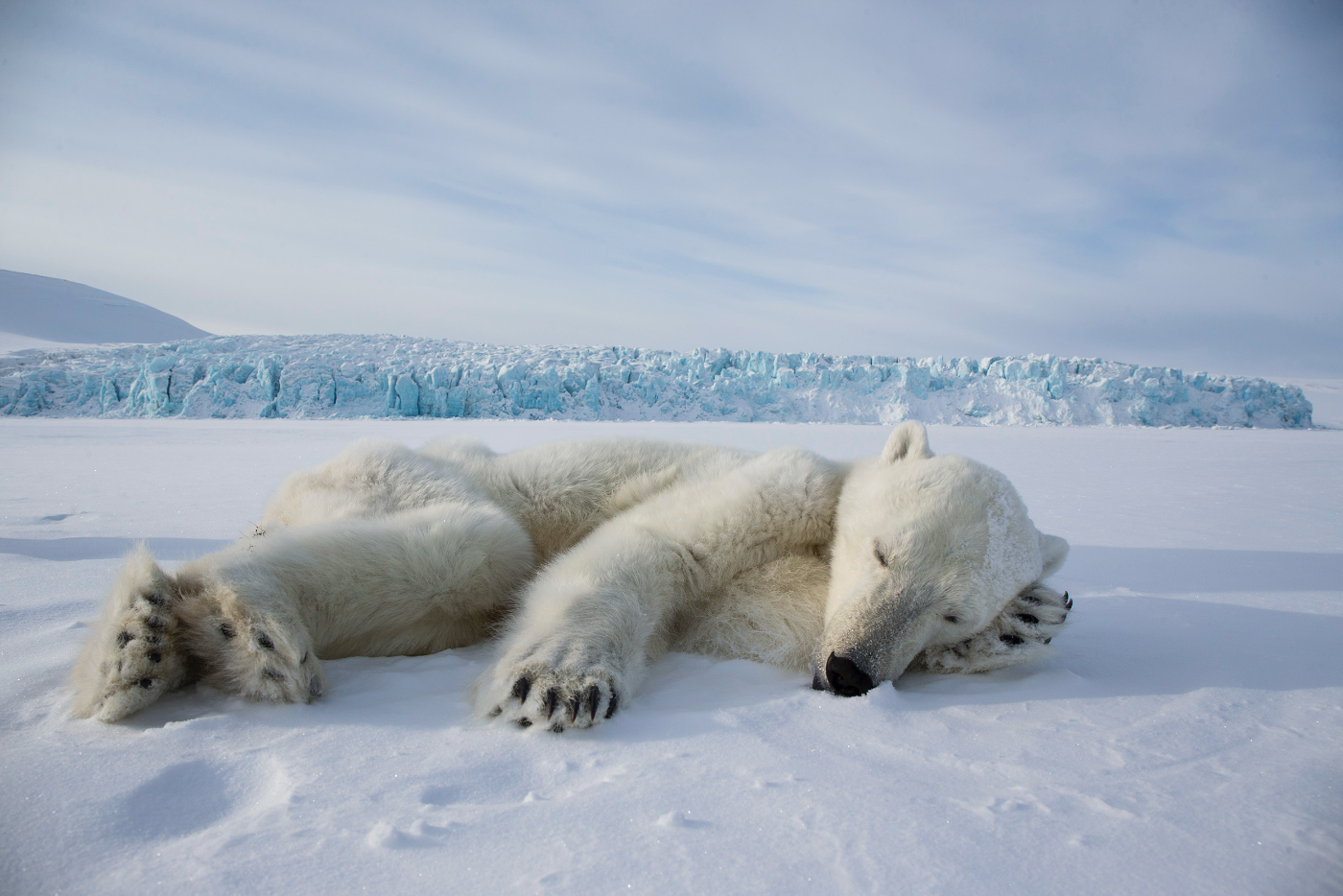
photo: © Brutus Östling
Renowned wildlife photographer Brutus Östling travels around the world to photograph animals in their natural habitats. During a polar expedition to Svalbard with WWF and the Norwegian Polar Institute, he shared his experiences and insights. In this article, you will find 10 practical wildlife photography tips for challenging conditions.
Brutus Östling accompanied the scientists to the edge of the Arctic to photograph the animals they encountered and visually document the expedition. He shared his experiences especially for Canon. Read on for this expert’s top tips on wildlife photography in challenging conditions.
1. Protect Your Equipment
Whenever I travel to cold places, I use weather-sealed equipment. I use only sealed L-series lenses and try to work with cameras that I can use for long periods in heavy rain or snow, such as the EOS 1D series. I keep spare camera batteries in an inside pocket, close to my body, to keep them warm. If your lenses or cameras cannot withstand damp conditions, bring something to protect them from water.
2. Use Image Stabilizer Technology
When I travel, I like working with lenses equipped with Image Stabilizer technology, especially when I am traveling by helicopter or boat. Its benefits are most apparent with long telephoto lenses or powerful zooms. For the Svalbard expedition, I bought the EF 24-70 mm f/4 L IS USM with Image Stabilizer. That feature was more important to me than a slightly faster zoom lens without Image Stabilizer.
3. Zoom and Prime Lenses in the Field
I like working with fast prime lenses that produce a shallow depth of field and a soft, blurred background. Examples include the EF 35mm f/1.4 or the EF 85 mm f/1.2. But when I have to work in extremely cold conditions, zoom lenses are more versatile and eliminate the need to change lenses.
That is essential, because changing lenses during a snowstorm carries risks. I used the EF 16-35 mm f/2.8 L II USM for a long time, but I also like working with the then-new EF 24-70 mm f/4 L IS USM and the EF 70-300 mm f/4-5.6 L IS USM lens when I am out in the field or on a boat.
I try to bring fast lenses and use them when conditions permit. During the Canon-WWF expedition to Svalbard, I took nearly all the portraits of crew members on board and other team members with those prime lenses because they produce a shallow depth of field and a blurred background.
4. Get Up Early for the Best Light
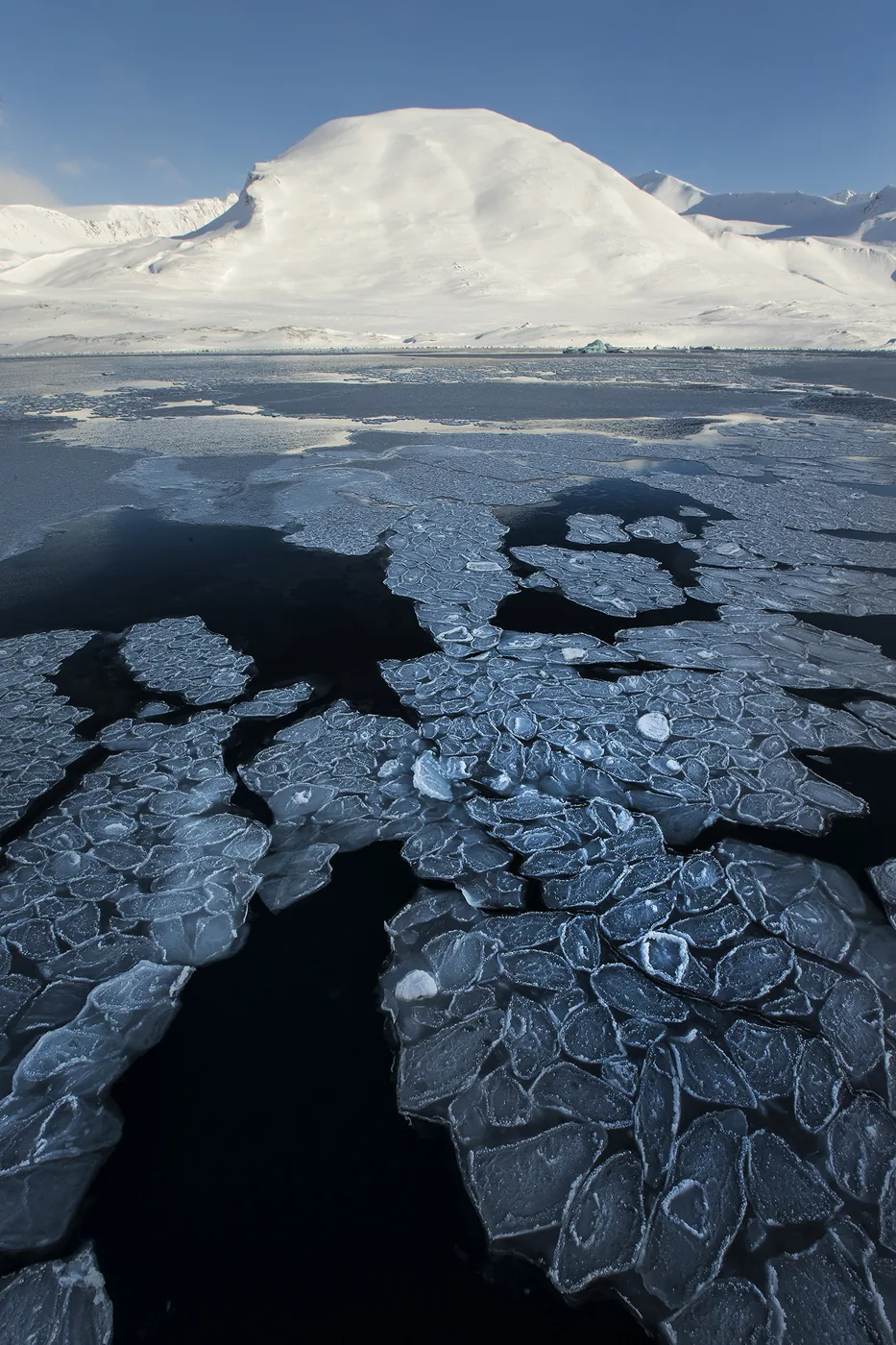
I hate getting up early and probably should have chosen any profession other than bird and wildlife photographer. But in the polar regions or far north, the best light occurs at night or early in the morning. Nature—especially birds—is also more active in the morning.
5. Embrace Bad Weather Too
When you work for a company or commercial agency, they usually want photographs taken in sunshine. Images made in good weather give viewers a pleasant feeling. But some of my best photographs were taken in the worst weather conditions imaginable.
Heavy rain or snowstorms can produce wonderful action shots, and dark images can sometimes be very effective and full of drama. So instead of doing nothing when the weather is bad, try making something of it.
6. Keep Moving for New Perspectives
Always keep looking for new shooting angles. Move around and see whether there is a different, more interesting angle. Also consider the background when photographing birds or mammals as subjects.
The background can be almost as important as the subject itself. Even if your subject is framed perfectly, a poor background can ruin the shot. Sometimes moving just a few inches or a foot to the left or right can make all the difference.
Whenever possible, try working with a wide-angle lens. Get close without disturbing the subject. Your options may be limited on a boat, but at least see whether you can stand somewhere else or photograph from a lower or higher position.
7. Consider the Position of the Sun
When the sun is out, do not photograph only with the sun behind you. Backlighting often gives a photograph much more impact, so use your flash to illuminate the subject if you do not want everything to become too dark.
8. Be Careful
Be careful—not only because some animals can be dangerous. Think of yourself as an intruder, and never try to disturb birds or other animals in a way that could harm them. A degree of humility is appropriate when we enter the world of other animals.
9. Wind Direction Is Essential
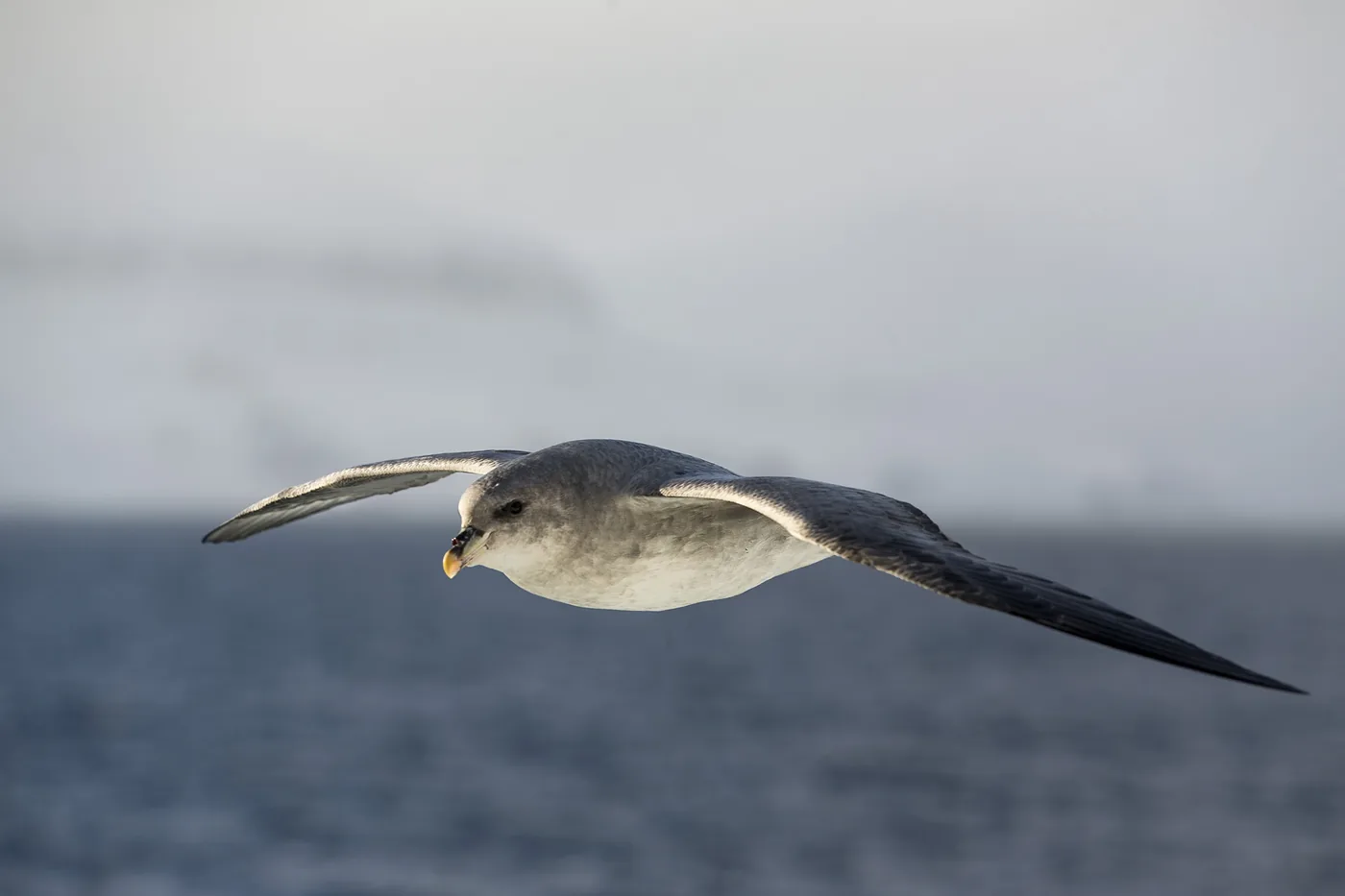
When photographing in nature, wind direction is very important. Always pay attention to it, especially if you can choose another position. In windy conditions, working with mammals is the opposite of working with birds. When photographing birds, always try to work with the wind at your back. Birds do everything INTO the wind—from taking off and landing to mating and preening, while facing into the wind to keep their balance on branches. To photograph a bird from the front, you need the wind at your back.
With large mammals, it is exactly the opposite. If the wind is coming from behind you, a wolf or deer will hear and smell you from a great distance, and you will never get good photographs. But if the wind is coming from the direction of the animal, it may come very close if you remain quiet and still.
10. It Is Not a Competition!
I would not be a wildlife photographer if I did not enjoy it so much and learn so much from it. Never let your wildlife photography become a competition. If we fail to notice that it has become one, it can make you go one step too far or influence others to do the same. We are visitors here to document a world and share that world with others.